Can Dehydration Make Your Muscles Feel Tight?
The Connection Between Hydration, Muscle Cramps, Recovery, and Athletic Performance
Why Hydration Matters More Than You Think
June 23rd is National Hydration Day — and in Jacksonville, FL, where summer heat and humidity are relentless, it's a particularly relevant topic for anyone who is active. We know that proper hydration supports cardiovascular function, temperature regulation, and cognitive performance. But the role of hydration in musculoskeletal health — specifically its relationship to muscle tightness, cramping, and injury risk — is worth examining more closely.
What Happens to Muscles When You're Dehydrated
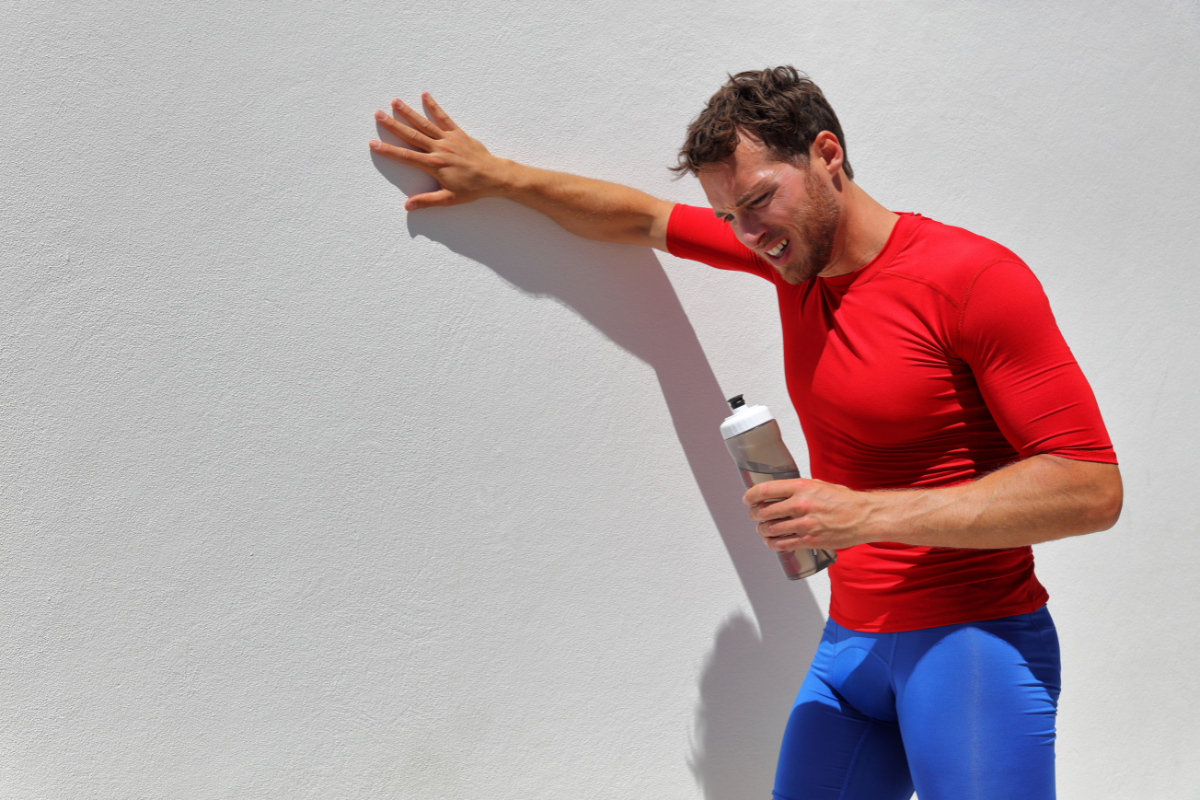
Muscle cells require an optimal balance of water and electrolytes to function normally. When you are dehydrated, muscle cell volume decreases, impairing normal contractile function. Electrolyte imbalances — particularly sodium, potassium, and magnesium — disrupt the nerve-to-muscle signaling that controls contraction and relaxation. Metabolic waste products also accumulate more quickly, contributing to fatigue and soreness, and connective tissue including tendons and fascia loses pliability, increasing stiffness. The result is a muscular system that is less capable of contracting forcefully, relaxing fully, and recovering efficiently.
Dehydration and Muscle Cramps: What the Research Says
Muscle cramps are one of the most common complaints among athletes training in hot conditions. While the relationship between dehydration, electrolyte loss, and cramping has long been assumed, research indexed on PubMed shows that dehydration and electrolyte loss are not the sole causes of exercise-associated muscle cramps — with 69% of subjects in one study experiencing cramps even when hydrated and supplemented with electrolytes.
Neuromuscular fatigue, not dehydration alone, is increasingly understood as a primary driver of cramping. The implication for treatment: hydration is necessary but not sufficient. Neuromuscular training, movement quality, and strength work all play critical roles alongside hydration in preventing and resolving cramping patterns.
Hydration and Recovery
Adequate hydration is also essential for the recovery process. Protein synthesis — critical for tissue repair — requires adequate cellular hydration. Nutrient transport to recovering muscle tissue depends on blood volume, which is directly tied to hydration status. The American College of Sports Medicine recognizes hydration as a foundational component of exercise performance and recovery, and their guidelines inform how Movement Driven approaches athletic care for patients returning from injury.
Practical Hydration Guidelines for Active Adults in Northeast Florida
Given Jacksonville's climate, these guidelines are especially important from May through September: drink 0.5–1 oz of water per pound of body weight daily as a baseline, add 16–24 oz for every hour of outdoor activity in heat and humidity, include electrolytes (sodium, potassium, magnesium) during or after prolonged exercise, monitor urine color (pale yellow indicates adequate hydration; dark yellow signals a deficit), and begin hydrating the day before an intense session — not the morning of.
If you experience chronic muscle tightness, cramping, or stiffness that persists despite good hydration, the issue may be structural or neuromuscular in nature. A movement assessment with Movement Driven can help identify what's actually driving your symptoms. Schedule an evaluation today at movementdriven.com or call 904-257-5765.