What Golfers Can Learn from the Pros During the U.S. Open
Mobility, Rotation, Recovery, and Injury Prevention Strategies That Define Elite Golf Performance

The Physical Demands of Championship Golf
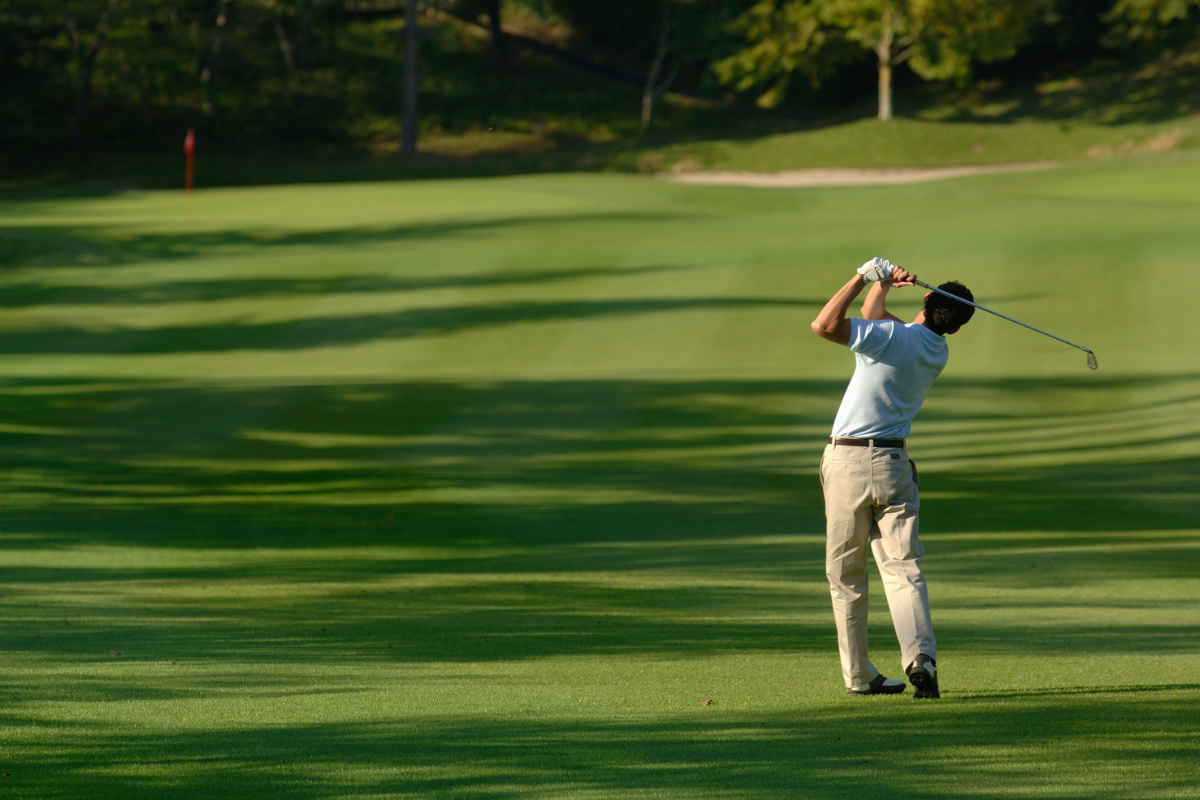
Golf is often misunderstood as a low-impact sport. But at the elite level — and increasingly at the amateur level — it makes significant physical demands on the body, particularly the spine, hips, and shoulders. Research published on PubMed reviewing golf swing biomechanics confirms that the lumbar spine is the most commonly injured structure in golf, with rotational forces and inadequate muscular support being the primary contributing factors.
Movement Driven is a Titleist Performance Institute (TPI) certified provider in Jacksonville and St. Johns. TPI is the world's leading educational organization dedicated to the study of how the human body functions in relation to the golf swing, and their research has informed the training programs of professionals throughout the PGA Tour.
What the Pros Get Right: 4 Physical Pillars
1. Thoracic Mobility
The best ball strikers in the world have exceptional thoracic (mid-back) rotation. This mobility allows them to coil fully on the backswing without putting excessive stress on the lumbar spine or hips. Many amateur golfers compensate for limited thoracic mobility by over-rotating the lower back — a pattern that dramatically increases injury risk over time.
2. Hip Mobility and Stability
Lead hip internal rotation on the downswing is one of the most critical and most limiting physical factors in an amateur golfer's swing. TPI's research shows that limited hip mobility is one of the most common physical findings linked to swing faults — and one of the most addressable with targeted physical therapy.
3. Posterior Chain Strength
Glute strength, hamstring control, and hip hinge mechanics are foundational to generating and controlling power in the swing. Weak glutes are also one of the primary reasons golfers develop back pain — the lower back compensates for what the hips can't do.
4. Recovery and Load Management
PGA Tour players follow structured recovery protocols: soft tissue work, mobility maintenance, sleep optimization, and careful management of training load. For amateur golfers in Jacksonville playing multiple rounds per week, this kind of attention to recovery is what separates those who stay healthy from those who develop chronic issues.
The Most Common Golf Injuries — And How to Prevent Them
- Low back pain: usually related to limited hip mobility, poor thoracic rotation, or weak posterior chain — all addressable with targeted therapy.
- Golfer's elbow (medial epicondylitis): often caused by grip mechanics and forearm muscle imbalances.
- Shoulder impingement: related to poor scapular mechanics and limited shoulder external rotation.
- Wrist injuries: common in golfers who hit fat shots repeatedly or use a grip that puts excess load on the wrists.
- Hip labral issues: often a downstream result of the compensation patterns created by limited hip mobility.
What a TPI Assessment at Movement Driven Includes
Movement Driven's TPI-certified Doctors of Physical Therapy evaluate the specific physical limitations most likely creating problems in your golf game. A full TPI screen assesses thoracic rotation and mobility, hip mobility (both internal and external rotation), shoulder mobility and stability, posterior chain strength and control, and single-leg stability and balance.
Based on that assessment, we build a personalized plan that addresses your physical limitations and translates directly to better movement, better ball striking, and fewer injuries on the course. Book a Golf Performance Assessment today at movementdriven.com or call 904-257-5765.