Fit at Any Age: How to Train Smarter, Move Better, and Stay Active for Life
What the science of aging actually means for your training — and why it's never too late to start
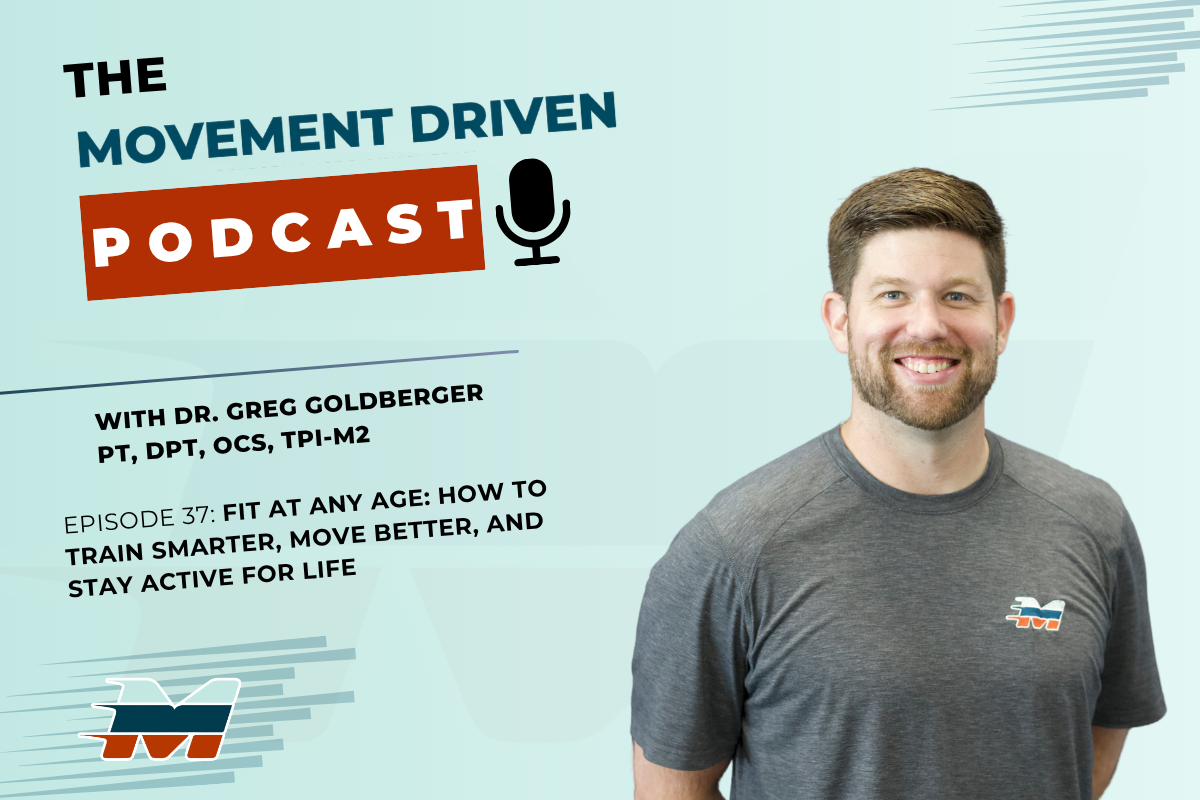
A lot of people assume that getting older means slowing down. That at some point, the workouts get lighter, the goals get smaller, and eventually you just... stop. Dr. Greg hears this all the time — and in this episode, he's here to push back on it.
Because the truth is, aging doesn't have to mean giving up what you love. It just means training differently.
What's Actually Happening to Your Body as You Age
There's a reason people feel stiffer, more tired, and more beat up as the years go on — and it's not just in their heads. Real physiological changes are happening at the cellular level. Mitochondria become less efficient. Muscle mass starts declining as early as age 30.
Ligaments lose elasticity. Tendons become less durable. Cardiovascular capacity drops. Hormones shift. Metabolism changes.
That's the honest picture. But here's the important part: the rate of that decline is not fixed. Exercise — the right kind of exercise — can slow it significantly. The people who feel the worst as they age are typically the ones who stopped moving. The ones who feel the best are the ones who never did.
The Biggest Mistakes Aging Athletes Make
If there's one pattern Dr. Greg sees over and over, it's this: people get really good at one thing and ignore everything else.
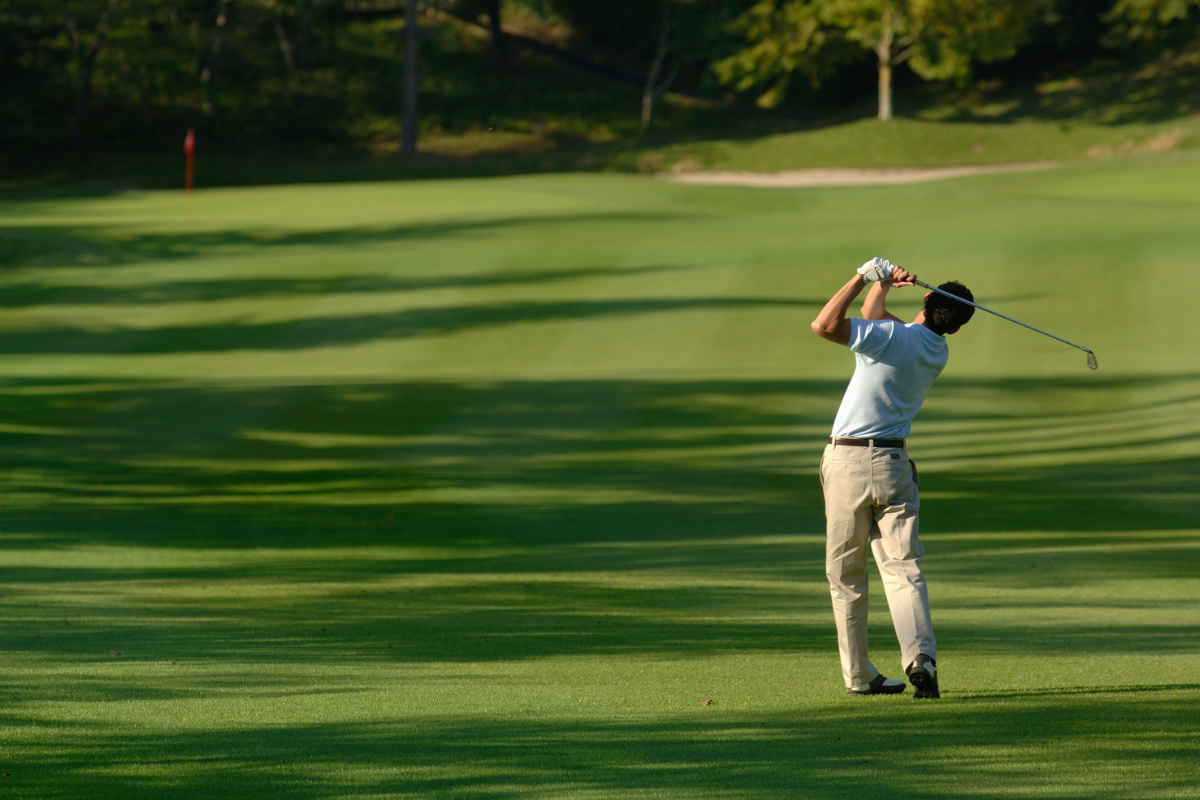
Runners who never strength train. CrossFitters who skip mobility work. Golfers whose only exercise is golf. When you narrow your training down to a single activity, you're leaving major gaps — and those gaps are exactly where injuries happen.
The other mistake? Treating recovery like it's optional. Rest isn't the absence of training. It's part of training. A dedicated stretch day, a slower-paced session, intentional downtime — these aren't signs that you're going easy on yourself. They're what makes everything else sustainable.
The fix is a more comprehensive program. Strength work. Mobility. Cross-training. Varying intensity. Movements done slowly and with control, not just fast and hard. When you hit all the systems — not just the cardiovascular one — your body has a much better shot at holding up long-term.
What Elite Athletes Can Teach the Rest of Us
LeBron James is 41 years old and posting some of the best numbers of his career. Messi and Ronaldo are still competing at the highest level of soccer. Federer, Djokovic, and Nadal extended their careers well into their thirties — an age when players like Pete Sampras were already done.
This isn't just genetics. It's decades of comprehensive preparation. Nutrition. Recovery. Working with the right people. Treating performance as something you build systematically, not something you just show up and grind out.
Most of us don't have a personal chef or a physio traveling with us. But the knowledge is available. The resources exist in most communities. And the same principles apply whether you're chasing a championship or just trying to stay on the golf course into your seventies.
It's Never Too Late to Start
One of the most important things Dr. Greg said in this episode: you will be amazed at what just showing up — consistently, for four to six weeks — can do. Not necessarily for body composition. But for how you feel. How you move. How much less everything hurts.
The goal isn't to train like you're twenty. The goal is to keep doing what you love for as long as possible. That looks different at every age, but the path is the same: move with intention, build strength, protect your joints, and don't wait until something breaks down to pay attention to your body.
The Bottom Line
Getting older is not a reason to stop. It's a reason to be smarter about how you train. Whether you're in your thirties and just starting to notice the changes, or in your seventies and determined to keep moving, there's a version of fitness that works for you — and it starts with understanding what your body actually needs.
📍 If you're in the Jacksonville area and want to figure out exactly what that looks like for you, book a free 15-minute discovery call. Podcast listeners get their first eval for just $79.
🎧 Listen to the full episode on Spotify, Apple Podcasts, or YouTube.