How to Build Cardiovascular Fitness Without Joint Pain or Burnout
Greg Goldberger • February 3, 2026
A physical therapy approach to heart-healthy exercise that protects your joints and keeps you consistent
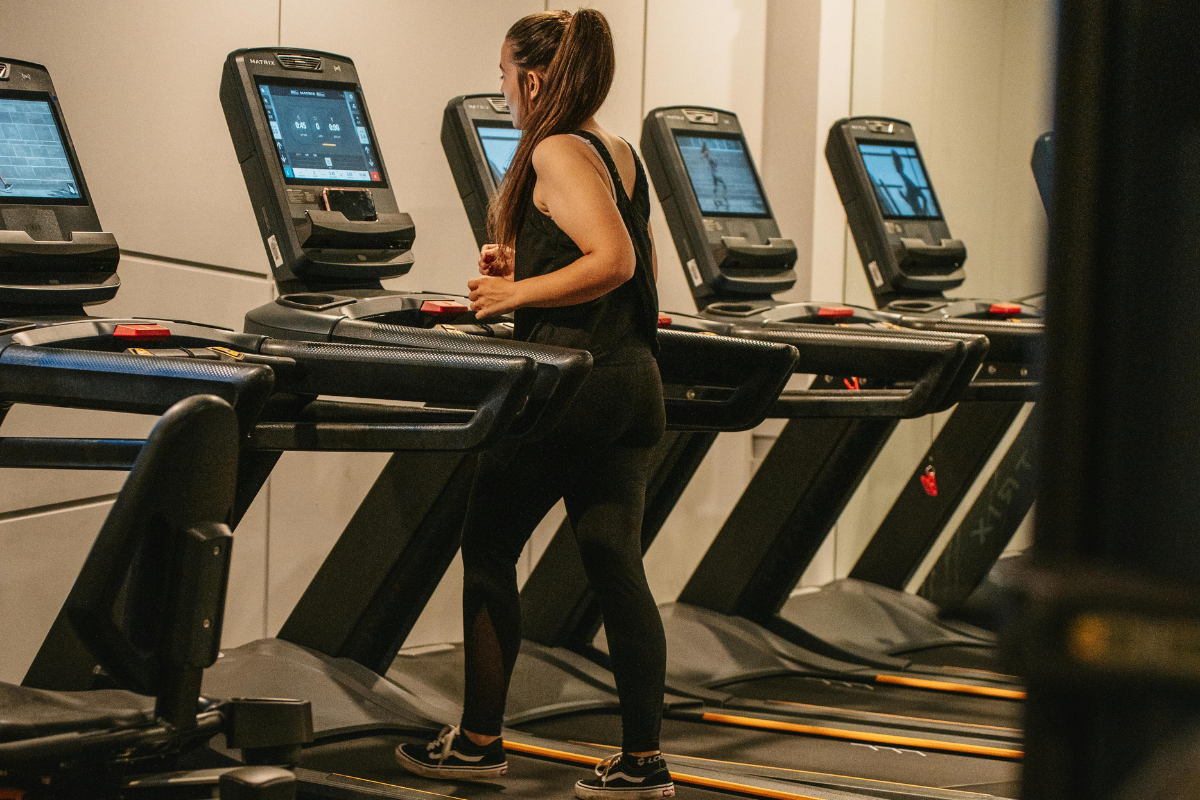
When most people think of cardiovascular exercise, they picture long runs, pounding pavement, or pushing through discomfort in the name of heart health. For many adults, that image alone is enough to make cardio feel intimidating or unsustainable.
The truth is this: building cardiovascular fitness does not require pain, impact, or exhaustion. In fact, the best heart-healthy exercise programs are often the ones that protect your joints, respect recovery, and keep you consistent over time.
At Movement Driven, we approach cardiovascular conditioning through a physical therapy lens. That means prioritizing joint health, circulation, and long-term performance so your heart gets stronger without your body breaking down.
What Cardiovascular Conditioning Really Means
Cardiovascular fitness is not just about hitting a certain heart rate zone or logging miles. At its core, it is your body’s ability to efficiently deliver oxygen to working muscles and recover from physical demands.
Good cardiovascular conditioning improves:
- Heart and lung efficiency
- Blood flow and circulation
- Energy levels throughout the day
- Recovery between bouts of activity
- Overall resilience to physical stress
You do not need high impact or maximal effort to achieve these benefits. You need consistent, appropriately dosed movement that your body can tolerate and adapt to.
Why Joint Pain Stops People From Staying Consistent
One of the biggest barriers to heart-healthy exercise is joint pain. Knee discomfort, hip stiffness, low back pain, or foot issues often make traditional cardio options feel off-limits.
When exercise hurts, people tend to:
- Avoid movement altogether
- Push through pain and worsen symptoms
- Bounce between programs without seeing progress
- Burn out mentally and physically
Pain changes how the body moves. Over time, compensation patterns develop, increasing stress on other joints and tissues. This creates a cycle where cardio feels like the problem rather than the solution.
Breaking that cycle starts with choosing joint-friendly cardio options that support, rather than stress, the body.
The Best Low-Impact Cardio Options From a PT Perspective
Low-impact does not mean low benefit. When selected and progressed properly, these options can significantly improve cardiovascular fitness while minimizing joint strain.
Walking with intention
Walking is one of the most underrated forms of heart-healthy exercise. Slight increases in pace, incline, or duration can challenge the cardiovascular system without excessive impact.
Cycling or stationary biking
Cycling allows for sustained cardiovascular work with minimal joint loading, especially for those with knee or hip sensitivity.
Rowing
Rowing engages the upper and lower body while keeping impact low. Proper technique is key to protecting the back and hips.
Swimming or pool training
Water reduces joint stress while providing resistance for both muscular and cardiovascular conditioning.
Elliptical or ski erg
These machines offer rhythmic, continuous movement that challenges the heart without repetitive pounding.
The best option is the one that fits your body, your goals, and your current capacity. There is no universal “best” form of cardio.
How Pacing and Recovery Improve Heart Health
More is not always better when it comes to cardio. In fact, overdoing intensity or volume is one of the fastest ways to stall progress or trigger pain.
Smart cardiovascular training includes:
- Gradual progression in time or intensity
- Alternating harder and easier days
- Adequate rest between sessions
- Monitoring how your body responds, not just your metrics
Recovery allows the cardiovascular system to adapt. Without it, stress accumulates and the body shifts into survival mode rather than improvement mode.
Sustainable heart health is built through consistency, not exhaustion.
Signs Your Cardio Routine Is Helping, Not Hurting
A well-designed, joint-friendly cardio routine should leave you feeling better over time, not worse.
Positive signs include:
- Improved energy levels throughout the day
- Reduced stiffness after workouts
- Faster recovery between sessions
- Improved breathing control during activity
- Decreased joint discomfort with movement
Red flags that your routine may be stressing your body include:
- Lingering joint pain or swelling
- Increasing stiffness rather than improved mobility
- Fatigue that carries into daily life
- Needing longer and longer recovery times
If you notice these warning signs, it is worth reassessing your approach rather than pushing harder.
Cardio Should Support Your Life, Not Limit It
Cardiovascular fitness is one of the most powerful tools for long-term health, but only when it is done in a way your body can sustain. You do not have to run, jump, or push through pain to take care of your heart.
By choosing low-impact, joint-friendly cardio, pacing your efforts, and respecting recovery, you can build cardiovascular fitness without burnout and without sacrificing joint health.
If cardio has felt intimidating, painful, or frustrating in the past, it may not be that your body is broken. It may simply need a smarter approach.
At Movement Driven, we help people find the right balance between performance, recovery, and longevity so they can stay active for life.

Learn what the research actually says about safely increasing weekly mileage — and where the 10% rule falls short.

Movement Driven answers a common question from Jacksonville and St. Johns County parents. Here's what it actually checks for.
Learn the difference between tennis elbow and golfer’s elbow, common causes of elbow pain, and why treating the source matters with Dr. Greg Goldberger.

See the warm-up routine Movement Driven recommends to Jacksonville and St. Johns County golfers heading into fall golf season.
Does a rotator cuff tear mean surgery? Dr. Greg explains MRI findings, red flags, partial vs. full tears, and when physical therapy may help.

Two-a-days spike football injuries in Jacksonville and St. Johns County every fall. Learn what causes the surge and how youth and adult athletes can train through it safely.
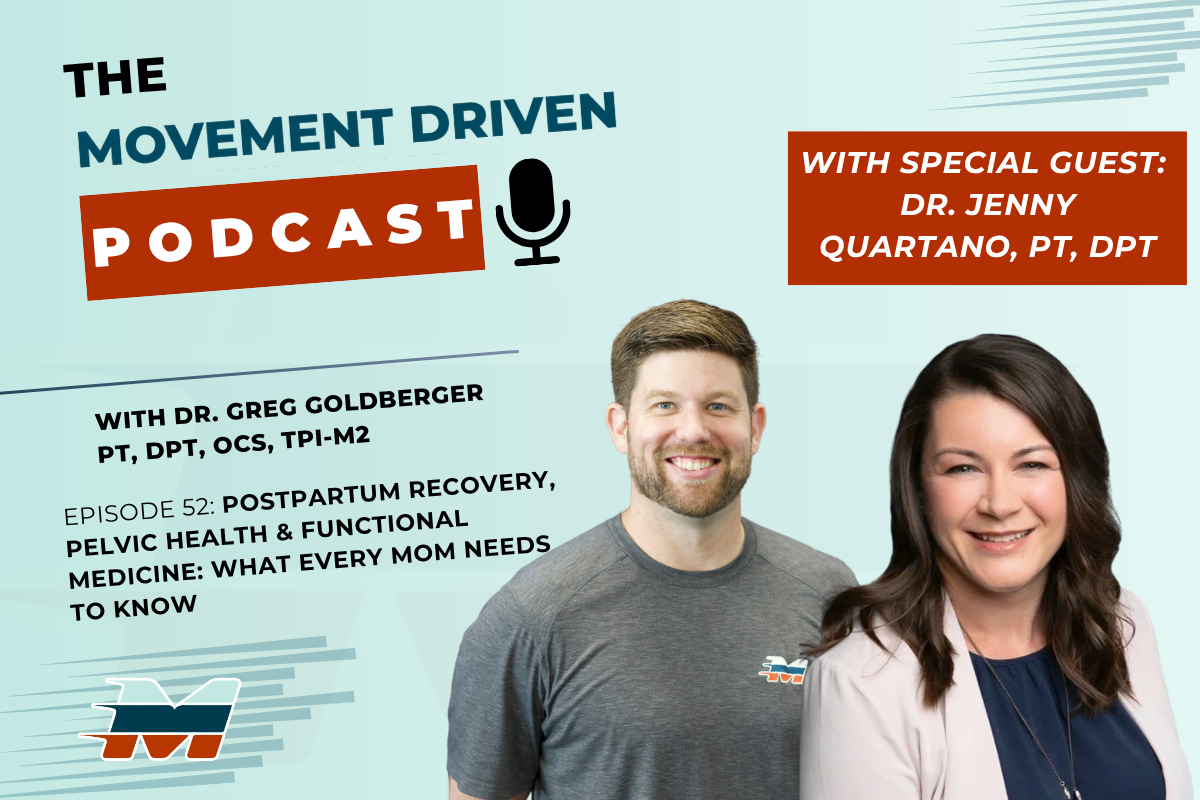
Dr. Greg talks postpartum recovery, pelvic health myths, and functional medicine with Dr. Jenny Quartano, PT, DPT of All Together Wellness.

Football, golf, and running season means more injuries across Jacksonville and St. Johns County. See how Movement Driven helps active adults and athletes train through fall without getting sidelined.
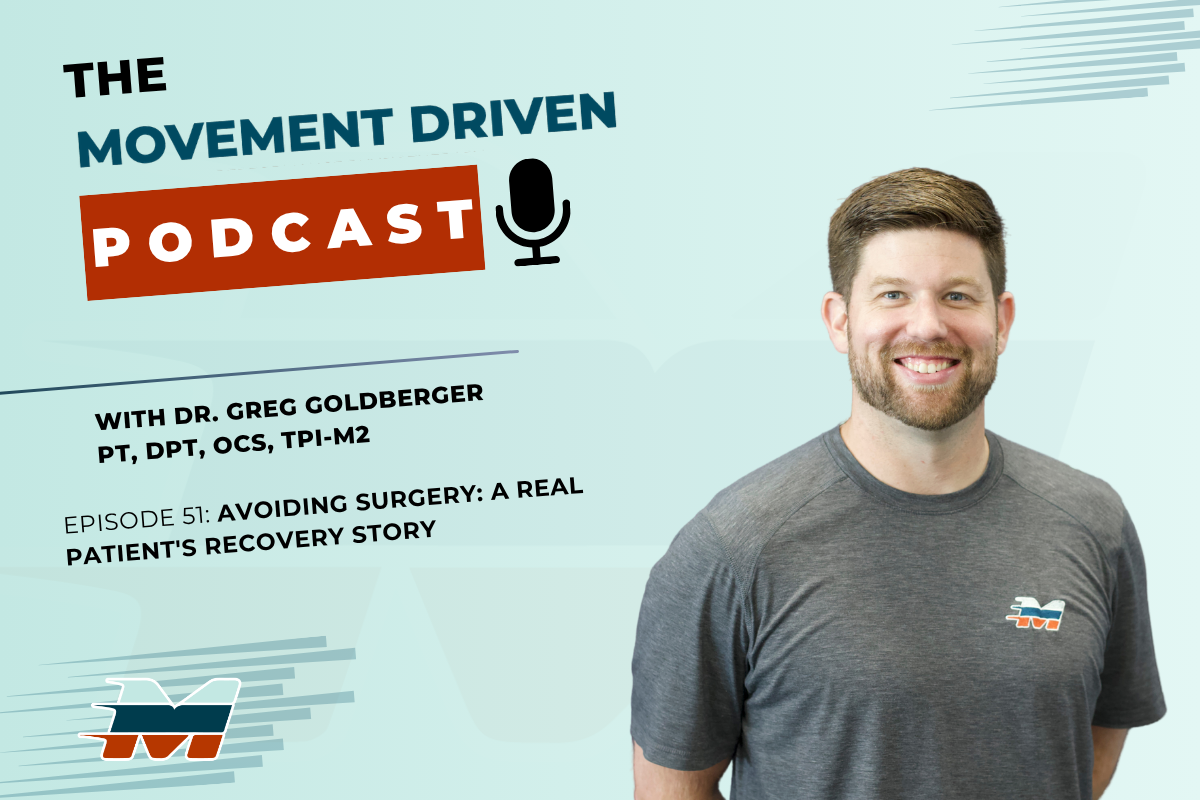
Dr. Greg shares how a patient avoided shoulder surgery after a car accident, and what made the difference this time. Listen now.

Sitting, bending, lifting, even how you sleep — small daily habits can quietly worsen back pain. A Jacksonville physical therapist breaks down what to fix.