
Why Your Body Feels Stiff in the Winter and What to Do About It
Greg Goldberger • January 20, 2026
How colder weather, reduced movement, and circulation changes impact your joints and performance

If you feel stiffer, slower, or more achy during the winter months, you are not imagining it. Many active adults notice increased joint stiffness, muscle soreness, and general discomfort when temperatures drop. This happens even if training volume has not changed.
Winter stiffness is not a sign that your body is breaking down. It is often a predictable response to cold weather, reduced daily movement, and subtle changes in how your body circulates blood and manages tissue elasticity.
Understanding why stiffness increases in winter can help you address it more effectively and avoid compensations that lead to injury.
How Cold Weather Affects Your Body
Cold temperatures affect more than just your comfort level. They influence how your muscles, joints, and nervous system function throughout the day.
When exposed to colder environments, your body naturally prioritizes keeping vital organs warm. Blood flow to the extremities decreases, which means muscles and connective tissue receive less warmth and oxygen. Cooler tissue is less elastic and more resistant to movement, which often feels like stiffness or tightness.
Joint fluid also becomes slightly more viscous in colder conditions. This can reduce how smoothly joints move, especially first thing in the morning or after sitting still for long periods.
For early morning runners, golfers playing winter rounds, and indoor court athletes warming up quickly between games, these effects are especially noticeable.
Why Stiff Does Not Always Mean Tight
One of the biggest misconceptions we see in the clinic is assuming stiffness equals tight muscles that need aggressive stretching.
In reality, stiffness is often related to reduced circulation, decreased tissue temperature, and nervous system tone rather than true muscle shortening. Stretching alone does not always solve the problem and sometimes makes it worse if tissues are already under prepared.
If stiffness improves once you start moving, it is often a sign your body needs more frequent movement throughout the day rather than longer stretching sessions.
The Role of Reduced Daily Movement
Winter routines tend to be more sedentary. Shorter daylight hours, cooler mornings, and busier schedules lead to less walking, fewer spontaneous movement breaks, and more time sitting.
Even if you still train a few times per week, overall daily movement often drops significantly. This reduction affects joint nutrition, tissue hydration, and neuromuscular coordination.
When your body spends most of the day in static positions, it adapts to those positions. When you suddenly ask it to sprint, rotate, or change direction, stiffness shows up fast.
This is a common pattern we see in winter overuse injuries and flare ups.
How Winter Stiffness Leads to Compensation
When joints do not move freely, your body finds alternative ways to accomplish the task. These compensations are subtle at first but add up over time.
For example, reduced hip mobility can increase stress on the low back during running or golf swings. Limited ankle movement can shift load into the knees or plantar fascia. Shoulder stiffness can change mechanics during pickleball or overhead movements.
These compensations are rarely painful immediately. Pain usually appears weeks later once tissues exceed their tolerance.
Winter is one of the most common times we see these patterns turn into nagging injuries.
Simple Daily Mobility Habits That Actually Help
You do not need long mobility routines or gym based interventions to combat winter stiffness. Small, consistent habits outside the gym make the biggest difference.
Focus on movement frequency rather than intensity:
- Standing up and walking for two to three minutes every hour
- Gentle joint circles for hips, shoulders, and ankles throughout the day
- Light movement before getting in the car or sitting at a desk
- Short evening mobility flows focused on full body motion
- Getting outside when possible to support circulation and nervous system regulation
These habits keep tissues warm, hydrated, and responsive so workouts feel smoother and less forced.
What This Means for Winter Training
Winter stiffness does not mean you need to stop training or play less. It means your body needs more preparation and better daily movement support.
Pay attention to how your body feels during the first ten minutes of activity. If stiffness eases with movement, daily habits are often the missing piece. If stiffness persists or worsens, that is a sign your body may be compensating.
This is where a movement based assessment can be helpful. Identifying which joints are restricted and which tissues are overloaded allows us to address the root cause rather than chasing symptoms.
When to Seek Professional Guidance
If winter stiffness is limiting performance, causing pain, or changing how you move during workouts or sports, it is worth having it evaluated.
At Movement Driven Performance Physiotherapy, we help active adults in Jacksonville and Northeast Florida understand how seasonal changes affect their bodies and how to train smarter through them. Our approach focuses on restoring movement quality, improving tissue capacity, and keeping you active year round.
Winter does not have to be a season of setbacks. With the right strategies, it can be a season of consistency and resilience.
Training for a fall race? Learn five running injury warning signs and how Movement Driven helps runners in Jacksonville and St. Johns, FL.
Dr. Greg and Tyler Martin discuss personalized fitness, nutrition, recovery, physical therapy, and golf performance in Jacksonville and St. Johns, FL.
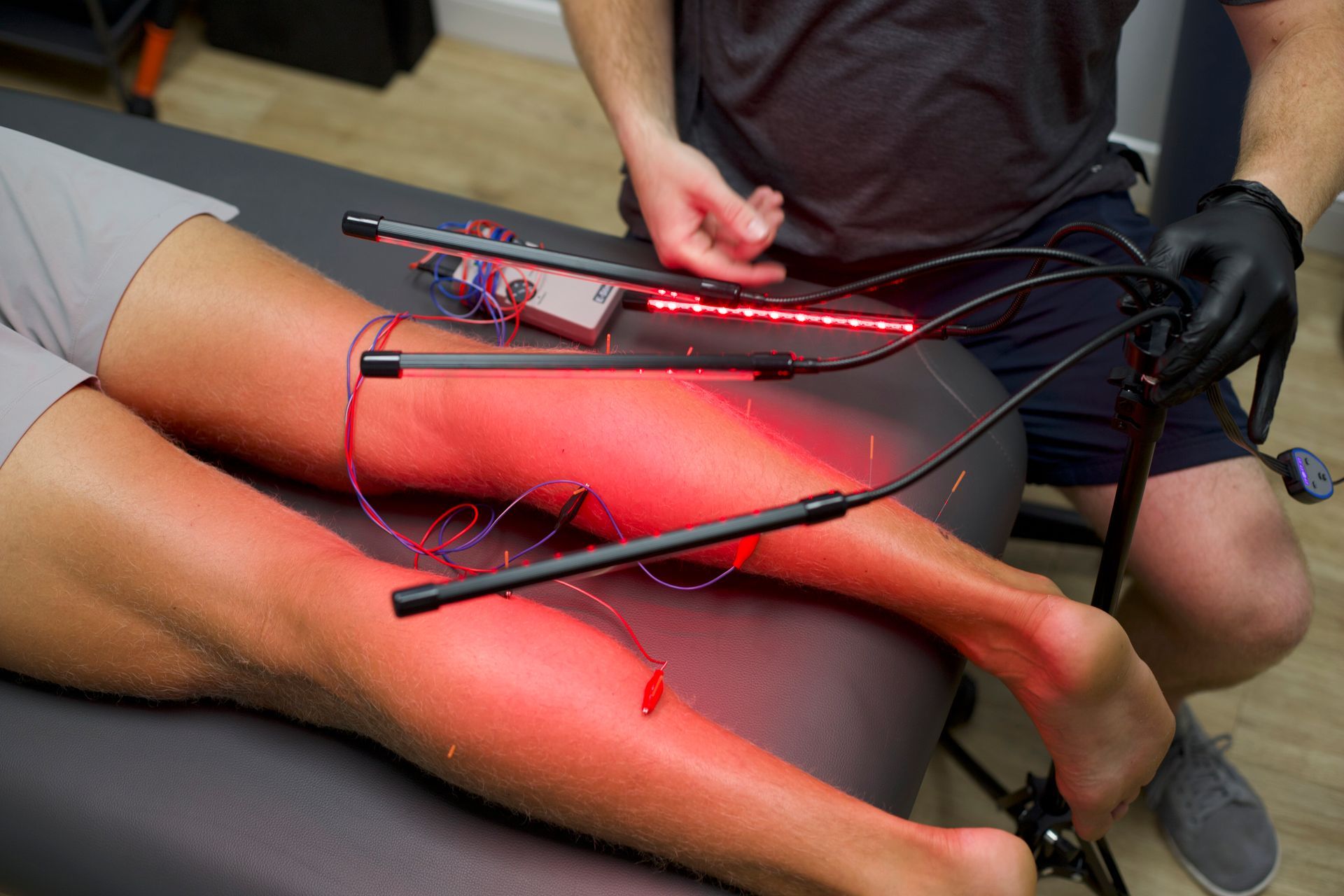
Compare dry needling and massage for muscle tightness and pain. Explore individualized care at Movement Driven in Jacksonville and St. Johns, FL.
Learn how to return to golf after injury with Dr. Greg’s tips on pain, mobility, strength, TPI assessments, and rebuilding your swing safely.
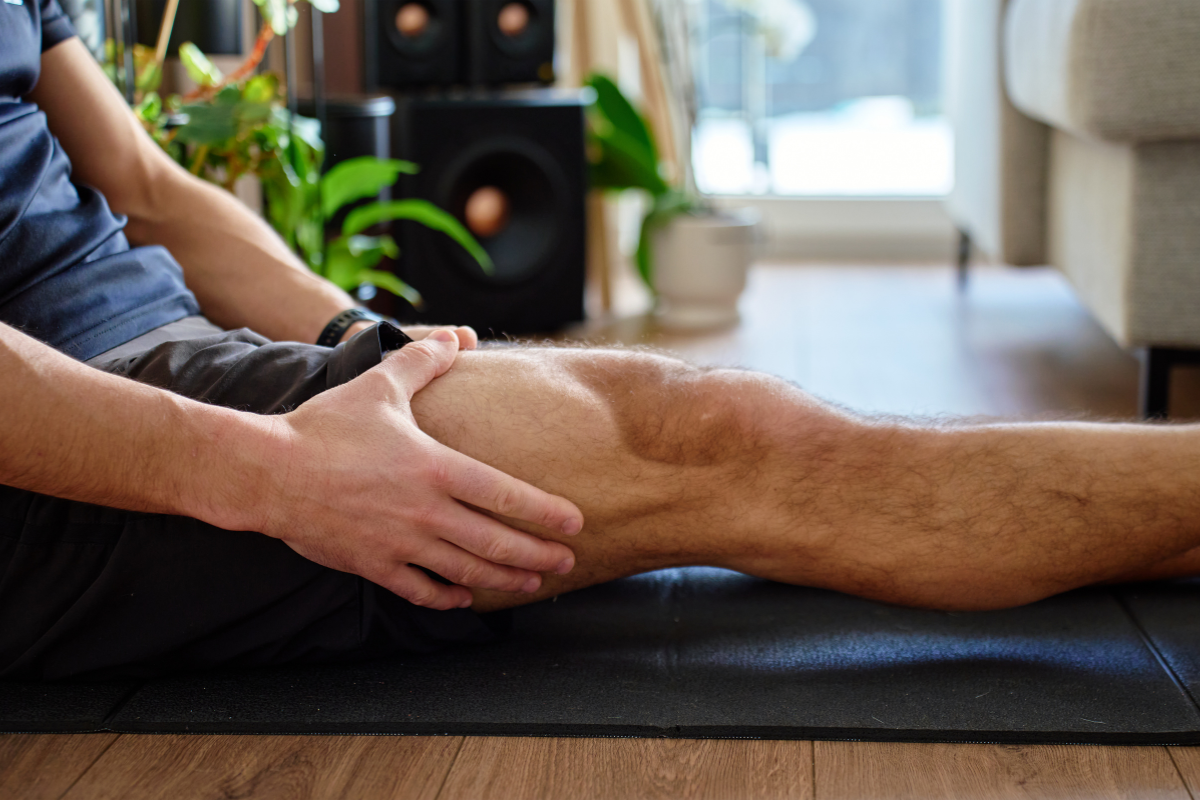
Not sure if it's normal soreness or something more? Movement Driven breaks down the signs that mean it's time to see a physical therapist.

Learn what the research actually says about safely increasing weekly mileage — and where the 10% rule falls short.

Movement Driven answers a common question from Jacksonville and St. Johns County parents. Here's what it actually checks for.
Learn the difference between tennis elbow and golfer’s elbow, common causes of elbow pain, and why treating the source matters with Dr. Greg Goldberger.
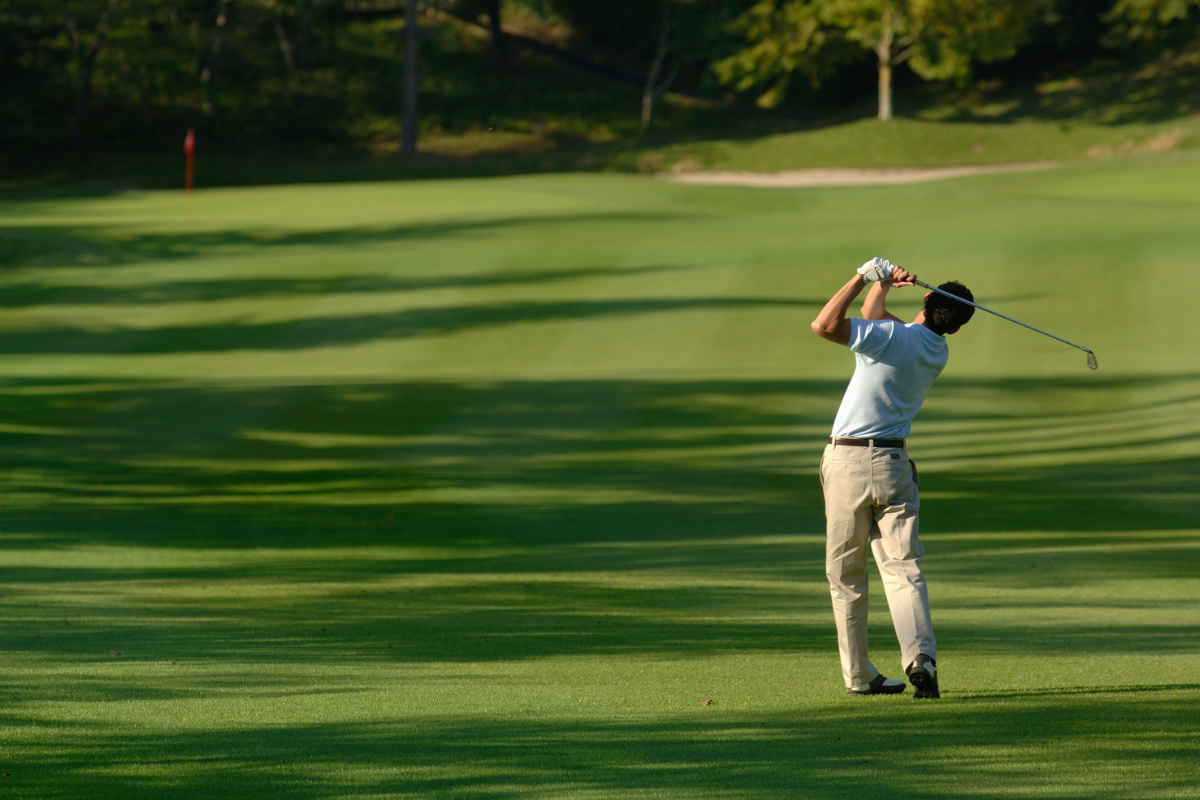
See the warm-up routine Movement Driven recommends to Jacksonville and St. Johns County golfers heading into fall golf season.
Does a rotator cuff tear mean surgery? Dr. Greg explains MRI findings, red flags, partial vs. full tears, and when physical therapy may help.