
Why Jaw Pain and Migraines Often Start Outside the Jaw
Greg Goldberger • February 17, 2026
Why neck mobility, posture, and breathing patterns may be the real drivers behind your TMJ symptoms and migraines

If you have ever been told you have TMJ and handed a night guard or medication, you are not alone.
But here is the truth most people are not told: TMJ pain causes are rarely limited to the jaw itself.
At Movement Driven
in Jacksonville, Florida, we regularly see patients whose jaw pain and headaches are actually being driven by neck stiffness, shoulder tension, breathing dysfunction, and daily posture habits.
When we zoom out and evaluate the full movement system, the picture becomes much clearer and relief becomes more sustainable.
Why TMJ Pain Is Rarely Just a Jaw Issue
The temporomandibular joint connects your jaw to your skull. But it does not function in isolation.
Your jaw is influenced by:
- The position of your head
- The mobility of your neck
- The tension in your shoulders
- The stability of your rib cage
- Your breathing patterns
- Your stress response
When someone experiences jaw pain and headaches, the jaw is often reacting to strain that is coming from somewhere else.
For example:
If your head sits forward over your shoulders all day at a desk, the small muscles under your skull remain constantly engaged. Over time, that tension travels forward into the jaw.
If your neck lacks rotation or extension, your jaw may compensate to allow you to chew, talk, or look around.
This is why treating only the jaw often leads to temporary relief rather than long term resolution.
The Role of Neck, Shoulders, and Rib Cage Mobility
Many people who struggle with neck pain migraines also report jaw clicking, clenching, or facial tightness.
That is not a coincidence.
The upper cervical spine shares neurological and muscular connections with the trigeminal nerve, which influences facial sensation and jaw function. When the neck becomes stiff or inflamed, it can amplify headache symptoms and increase jaw sensitivity.
Common patterns we see:
- Limited neck rotation on one side
- Elevated or rounded shoulders
- Restricted upper back extension
- Rib cage stiffness that limits proper breathing
If the rib cage does not expand well, breathing becomes shallow and accessory neck muscles take over. Those muscles attach near the jaw and base of the skull, increasing tension and contributing to migraines physical therapy can help resolve.
Improving thoracic spine mobility and restoring rib cage movement often reduces jaw tension without directly touching the jaw.
How Stress and Breathing Patterns Affect Headaches
Stress is not just emotional. It is physical.
When you are under stress, your body shifts into a protective state:
- Shoulders elevate
- Jaw tightens
- Breathing becomes shallow
- Teeth clenching increases
Over time, this creates a low grade, constant contraction in the jaw and upper neck.
Many people do not even realize they are clenching during the day. They only notice the symptoms: morning headaches, facial soreness, migraines, or ear fullness.
Breathing plays a major role here.
- If you primarily breathe through your chest instead of your diaphragm:
- Your neck muscles work overtime
- Your jaw stabilizers become overactive
- Your nervous system stays in a heightened state
Restoring proper breathing mechanics is often one of the most overlooked yet powerful forms of jaw pain treatment.
Habits That Silently Worsen Jaw Tension
You do not need a major injury to develop TMJ symptoms. Small daily habits accumulate.
Here are a few common ones:
- Forward head posture at a laptop
- Clenching during workouts
- Chewing gum frequently
- Sleeping on your stomach
- Constant phone scrolling with head down
- High stress without recovery strategies
Athletes are not immune either. Golfers, runners, and lifters who carry neck tension may unknowingly increase jaw strain during performance.
This is where the TMJ posture connection becomes critical. The way you hold your head and rib cage influences how your jaw loads throughout the day.
When Jaw Pain Requires a Full Movement Evaluation
If you experience:
- Jaw clicking or locking
- Chronic headaches
- Migraines triggered by neck stiffness
- Facial tension that worsens with stress
- Limited neck mobility
- Pain that keeps returning despite dental care
It may be time for a full movement assessment rather than isolated jaw treatment.
At Movement Driven, we look at:
- Cervical spine mobility
- Thoracic spine extension
- Rib cage expansion
- Scapular control
- Breathing mechanics
- Stress and recovery patterns
This comprehensive approach allows us to address the true driver of your symptoms, not just the surface level pain.
You Do Not Have to Live With Chronic Jaw Pain
Jaw pain and headaches are frustrating because they often feel unpredictable. But they are rarely random.
When we identify the movement restrictions and tension patterns contributing to TMJ pain causes, we can:
- Reduce muscle guarding
- Improve neck mobility
- Normalize breathing
- Decrease migraine frequency
- Restore natural jaw mechanics
Most importantly, we help you feel in control of your symptoms rather than dependent on temporary fixes.
If you are in Jacksonville or Northeast Florida and struggling with jaw pain and headaches, a movement based evaluation may be the missing piece.
Pain is often a signal. We just have to look in the right place.
Contact us today by booking a discovery call
to get started on the path to being pain free!
Compare dry needling and massage for muscle tightness and pain. Explore individualized care at Movement Driven in Jacksonville and St. Johns, FL.
Learn how to return to golf after injury with Dr. Greg’s tips on pain, mobility, strength, TPI assessments, and rebuilding your swing safely.
Not sure if it's normal soreness or something more? Movement Driven breaks down the signs that mean it's time to see a physical therapist.

Learn what the research actually says about safely increasing weekly mileage — and where the 10% rule falls short.

Movement Driven answers a common question from Jacksonville and St. Johns County parents. Here's what it actually checks for.
Learn the difference between tennis elbow and golfer’s elbow, common causes of elbow pain, and why treating the source matters with Dr. Greg Goldberger.
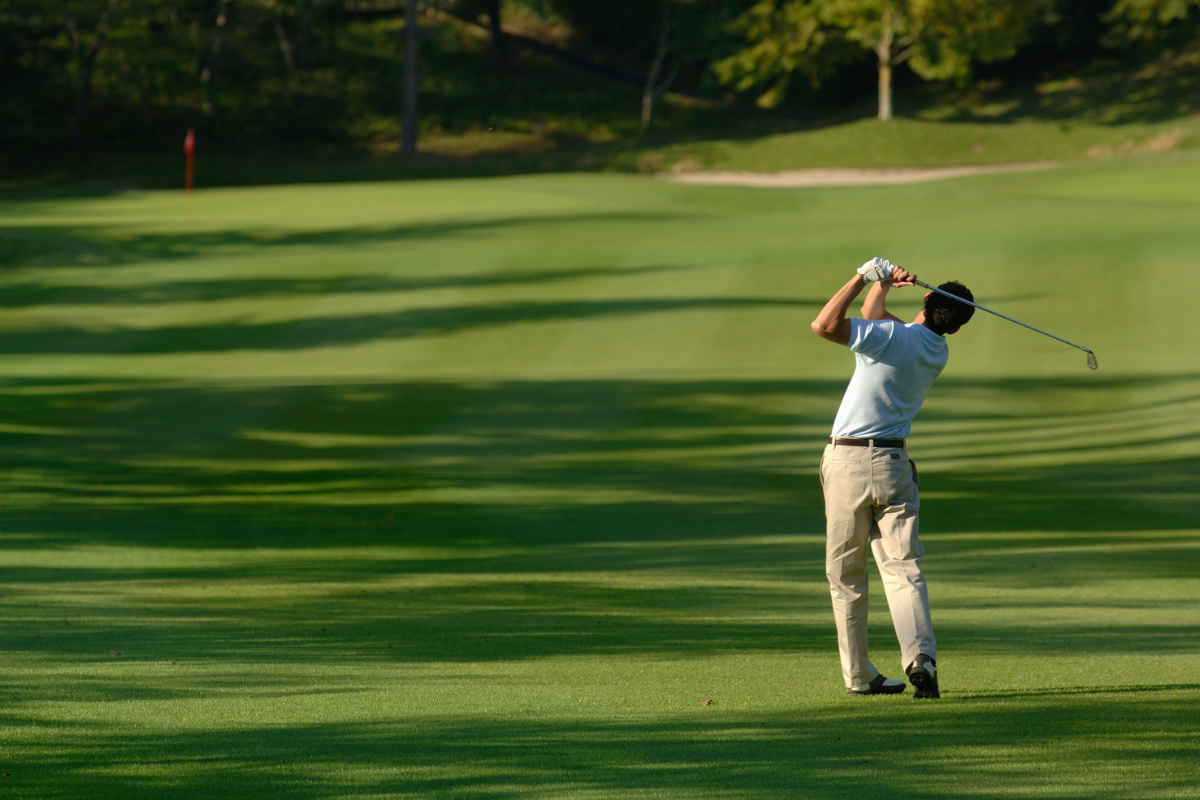
See the warm-up routine Movement Driven recommends to Jacksonville and St. Johns County golfers heading into fall golf season.
Does a rotator cuff tear mean surgery? Dr. Greg explains MRI findings, red flags, partial vs. full tears, and when physical therapy may help.

Two-a-days spike football injuries in Jacksonville and St. Johns County every fall. Learn what causes the surge and how youth and adult athletes can train through it safely.
Dr. Greg talks postpartum recovery, pelvic health myths, and functional medicine with Dr. Jenny Quartano, PT, DPT of All Together Wellness.