The Real Cost of Playing Through Pain: How Small Injuries Become Season Ending Problems
Greg Goldberger • January 26, 2026
Why ignoring minor pain leads to compensation, declining performance, and avoidable injuries

For athletes and active adults, pain is often treated as part of the game. A tight hip. A sore shoulder. A cranky knee that warms up after the first few reps. Most people assume these aches are normal and temporary, something to push through until the season ends or training slows down.
The reality is that playing through pain rarely means playing at full capacity. More often, it starts a chain reaction that quietly changes how your body moves, loads, and performs. Over time, those small compensations can turn minor issues into season ending problems.
How Compensation Patterns Develop Over Time
When pain shows up, your nervous system does its job and protects the area. You may shift weight away from one leg, rotate less through your trunk, or rely more heavily on one side of your body. These changes are rarely obvious in the moment.
At first, compensation feels helpful. It allows you to keep training or competing without immediate discomfort. But compensation does not fix the underlying issue. It simply redistributes stress to other joints, tissues, and muscles that were never designed to handle that extra load.
Over weeks or months, these altered movement patterns become habits. What started as a temporary adjustment becomes your new normal.
Why Pain Often Moves Instead of Resolving
One of the most common signs of unresolved injury is migrating pain. An athlete may start with hip discomfort, only to later develop low back pain. A shoulder issue turns into elbow pain. Knee soreness shows up as ankle or foot irritation.
This happens because the original problem never fully healed or was never addressed at the source. As your body continues to compensate, the stress shifts elsewhere. The new pain feels unrelated, but it is often the direct result of altered mechanics higher or lower in the chain.
When pain moves, it does not mean the problem is gone. It means the system is breaking down in a new place.
Common Examples Across Rotation and Impact Sports
Rotation based sports like golf, baseball, tennis, and pickleball rely on efficient force transfer through the hips, trunk, and shoulders. When rotation is limited or painful in one area, athletes often generate power elsewhere. This leads to excessive stress on the spine, elbows, or lead side hip.
Impact sports such as running, soccer, basketball, and CrossFit demand repetitive loading through the lower body. A subtle strength deficit or mobility restriction can shift force away from one joint and overload another. Over time, this increases the risk of tendon issues, stress reactions, and chronic joint pain.
In both cases, performance usually declines before injury becomes obvious. Speed drops. Power feels inconsistent. Recovery takes longer. These are often early warning signs that the body is compensating.
How Chronic Issues Affect Performance, Not Just Comfort
Pain does not only change how you feel. It changes how you perform.
Chronic pain can reduce force output, limit range of motion, and delay reaction time. Athletes may lose confidence in certain movements, hesitate during explosive actions, or subconsciously avoid positions that once felt natural.
Even when athletes push through, their ceiling lowers. Training sessions feel harder. Gains plateau. The body spends more energy protecting itself instead of producing power.
Over time, this makes injuries more likely and seasons shorter.
Why Early Intervention Leads to Faster, Better Outcomes
Addressing pain early does not mean shutting everything down. It means identifying why the pain is there and restoring proper movement before compensation becomes ingrained.
Early intervention allows for targeted treatment, movement retraining, and load management while athletes stay active. It reduces recovery time, improves performance consistency, and protects long term joint health.
At Movement Driven Performance Physiotherapy, the focus is not just on getting athletes out of pain. It is on understanding how they move, where breakdowns are occurring, and how to rebuild efficient, resilient movement patterns that support longevity.
Playing through pain may feel tough in the short term. But the real strength lies in addressing issues early so you can keep performing at your best for seasons to come.

Training for a fall race? Learn five running injury warning signs and how Movement Driven helps runners in Jacksonville and St. Johns, FL.
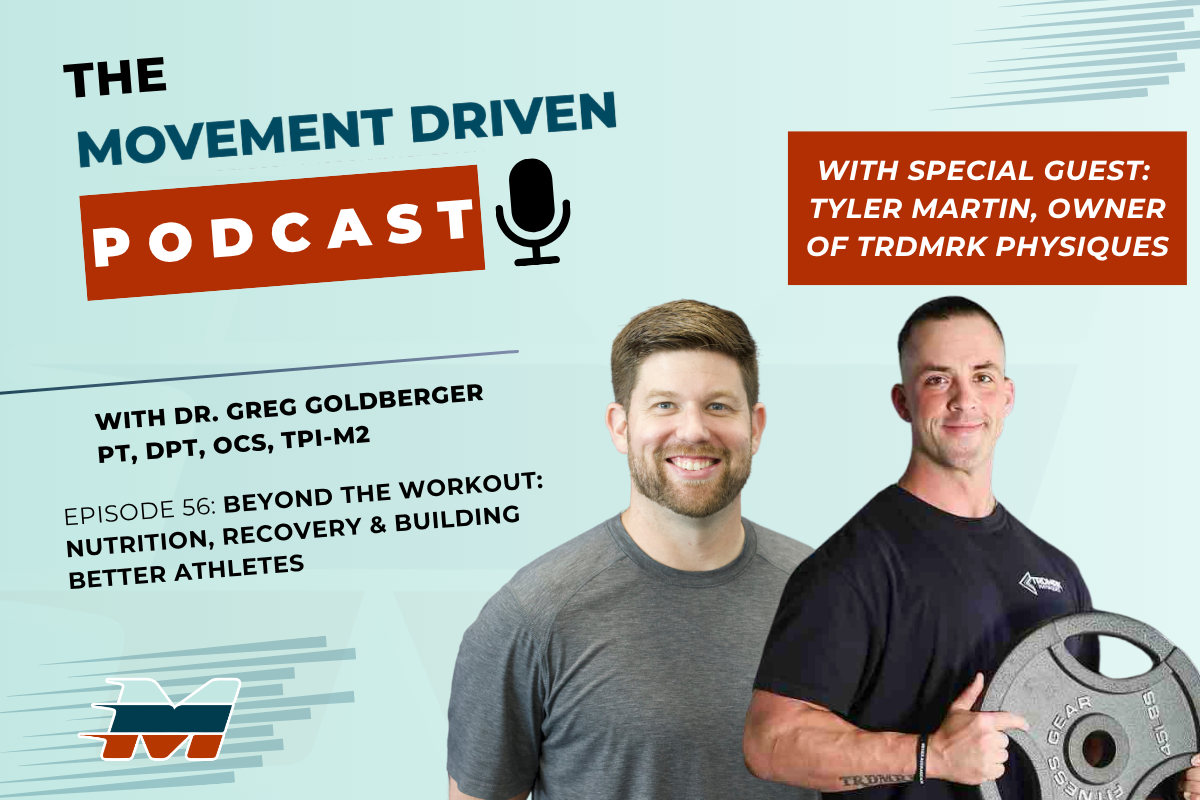
Dr. Greg and Tyler Martin discuss personalized fitness, nutrition, recovery, physical therapy, and golf performance in Jacksonville and St. Johns, FL.
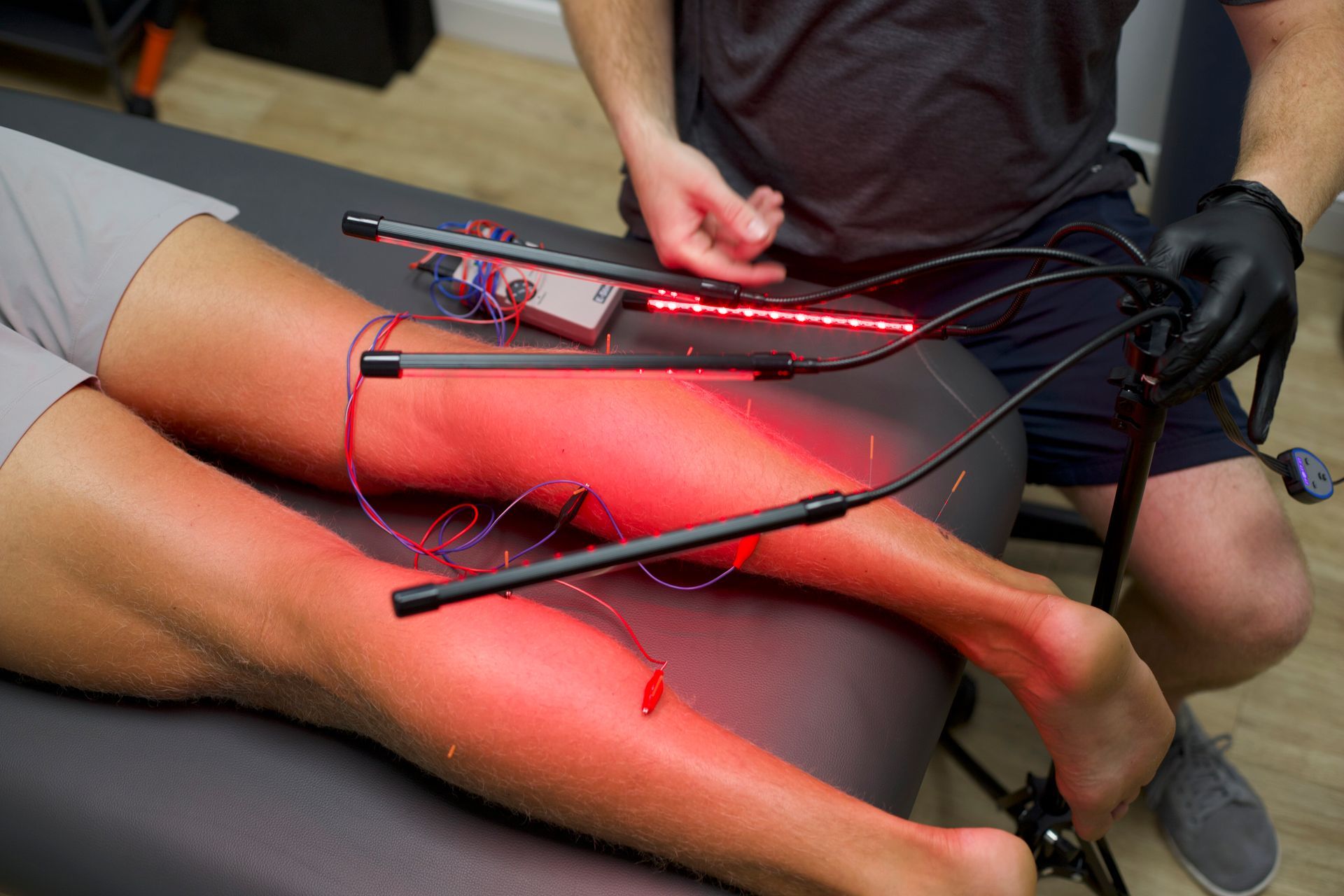
Compare dry needling and massage for muscle tightness and pain. Explore individualized care at Movement Driven in Jacksonville and St. Johns, FL.
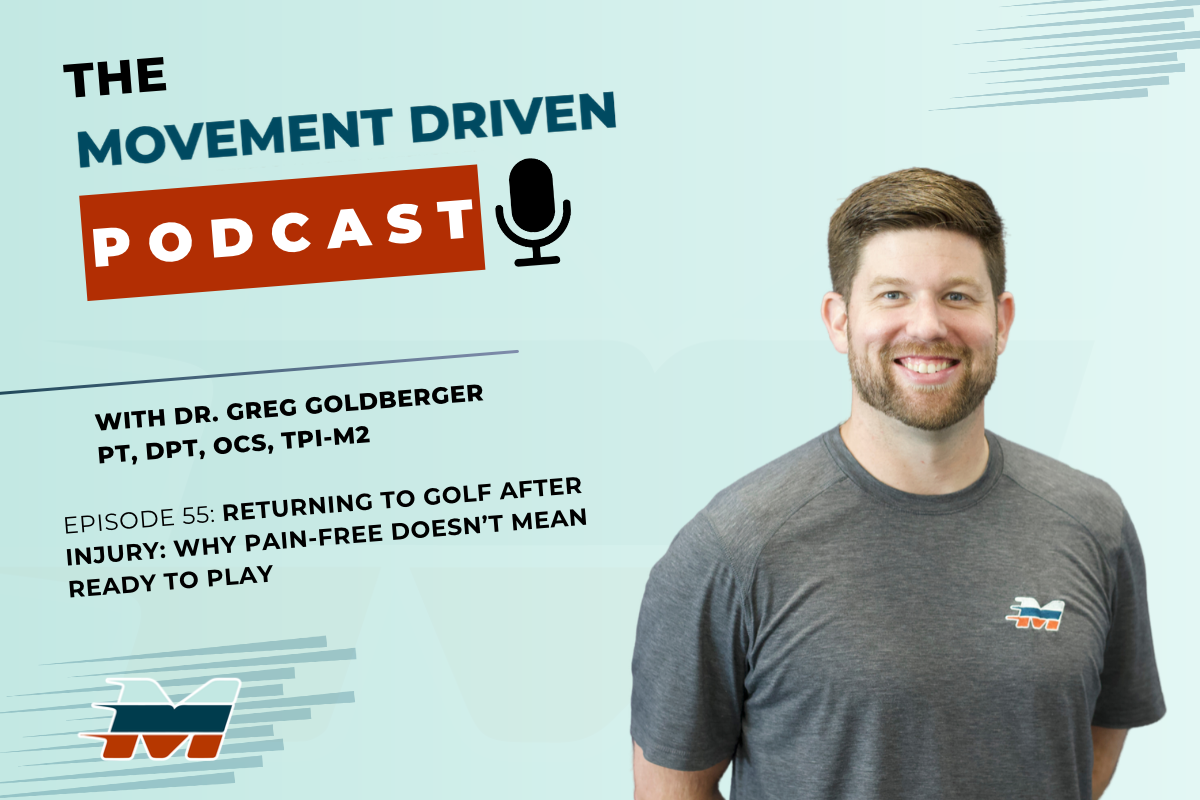
Learn how to return to golf after injury with Dr. Greg’s tips on pain, mobility, strength, TPI assessments, and rebuilding your swing safely.

Not sure if it's normal soreness or something more? Movement Driven breaks down the signs that mean it's time to see a physical therapist.

Learn what the research actually says about safely increasing weekly mileage — and where the 10% rule falls short.

Movement Driven answers a common question from Jacksonville and St. Johns County parents. Here's what it actually checks for.
Learn the difference between tennis elbow and golfer’s elbow, common causes of elbow pain, and why treating the source matters with Dr. Greg Goldberger.

See the warm-up routine Movement Driven recommends to Jacksonville and St. Johns County golfers heading into fall golf season.
Does a rotator cuff tear mean surgery? Dr. Greg explains MRI findings, red flags, partial vs. full tears, and when physical therapy may help.