TPC Week Special: How to Add Distance Without Destroying Your Back
Greg Goldberger • March 11, 2026
Why Every Golfer Wants More Distance (But Most Go About It Wrong)
Everyone wants more distance off the tee. But what if the way you're training for it is actually the reason your back keeps flaring up?
In the latest episode of the Movement Driven Podcast, Dr. Greg sits down for a TPC Sawgrass week special to break down one of the most misunderstood topics in amateur golf fitness — how to actually increase club head speed without destroying your lower back in the process.
Why Mobility Alone Won't Add Yards
Most golfers who deal with low back pain have heard the same advice: stretch more. And while mobility absolutely plays a role in a powerful golf swing, Dr. Greg explains why stretching alone will never get you where you want to go.
Mobility isn't just range of motion — it's whether you have the strength and control to access that range of motion when it counts. If your hip joint itself isn't moving the way it should, no amount of hamstring stretching is going to fix it. Research shows tissues need a full two minutes of sustained work to actually begin to change, and the joint has to be addressed before the muscles around it will respond.
Flexibility without stability is just flexibility. It won't translate to speed.
Your Lower Back Was Never Designed to Rotate
Here's something most amateur golfers don't realize: the lumbar spine — your lower back — is built to flex and extend, not rotate. The rotation in your golf swing is supposed to come from your thoracic spine and your hips. When those areas aren't moving the way they should, the lower back compensates. And the moment you start swinging harder, that compensation gets loaded — and that's when injuries happen.
Dr. Greg breaks down why addressing thoracic mobility and hip function isn't just a rehab conversation. It's the foundation of every yard you want to add off the tee.
The Right Order of Operations
If your goal is more distance and you've had any history of low back pain, jumping straight to speed sticks and med ball throws isn't the answer — it's a shortcut to staying stuck in the same cycle of pain and setbacks.
Dr. Greg walks through the systematic approach he uses at Movement Driven / Physiotherapy Performance:
- Addressing joint mobility before muscle flexibility
- Building strength and control through the full range of motion
- Reactivating muscles that have stopped firing the way they should
- Progressing into power and speed training only once the foundation is built
It's the same principle as building a house. You don't put the roof on before the foundation is set.
Rehab and Performance Are the Same Thing
One of the most important points Dr. Greg makes in this episode is something that sets Movement Driven apart from a traditional PT clinic: there is no separation between rehab and performance. The work you do to fix your back is the same work that makes you a stronger, more powerful golfer. It's not a detour — it's the path.
If you've never been taught to move well, whether that's finding your glutes, controlling your core without over-arching your lower back, or loading through your hips instead of your spine, then the training you've been doing is building on an unstable foundation. That changes here.
What This Season Could Look Like
More distance. Less back pain. A body that's actually trained for the demands of the sport.
That's the goal — and it's achievable when you approach it the right way, with someone who understands both sides of the equation.
The Movement Driven Podcast is your go-to resource for golf performance, injury prevention, and training smarter — built for active adults in the Jacksonville and St. Johns area and beyond. If you're ready to stop guessing and start building, visit movementdriven.com to book your discovery call.
Does a rotator cuff tear mean surgery? Dr. Greg explains MRI findings, red flags, partial vs. full tears, and when physical therapy may help.

Two-a-days spike football injuries in Jacksonville and St. Johns County every fall. Learn what causes the surge and how youth and adult athletes can train through it safely.
Dr. Greg talks postpartum recovery, pelvic health myths, and functional medicine with Dr. Jenny Quartano, PT, DPT of All Together Wellness.

Football, golf, and running season means more injuries across Jacksonville and St. Johns County. See how Movement Driven helps active adults and athletes train through fall without getting sidelined.
Dr. Greg shares how a patient avoided shoulder surgery after a car accident, and what made the difference this time. Listen now.

Sitting, bending, lifting, even how you sleep — small daily habits can quietly worsen back pain. A Jacksonville physical therapist breaks down what to fix.
Dr. Greg explains why shoulders hurt overhead, the difference between rotator cuff tendinopathy and impingement, and how scapular mobility plays a role. Listen now.
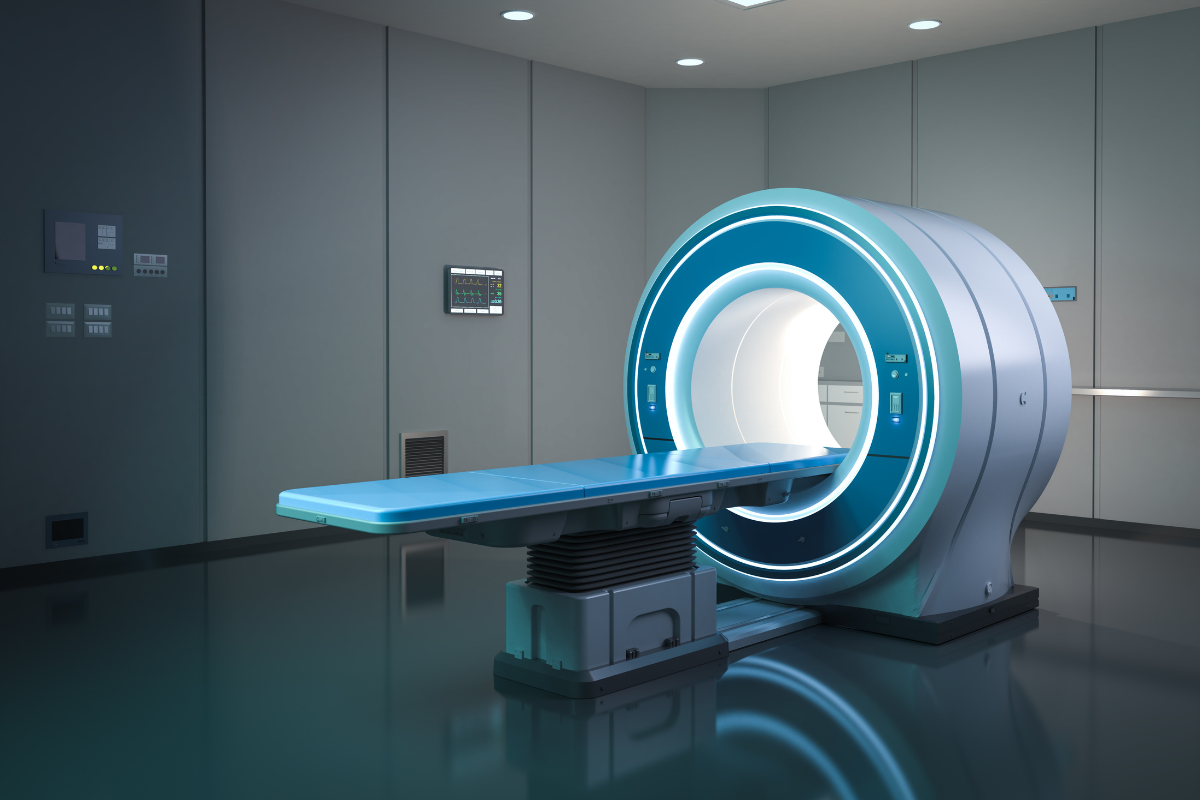
Confused by your MRI results for back pain? Learn what imaging can and can't tell you, and what actually predicts recovery, from a Jacksonville PT.
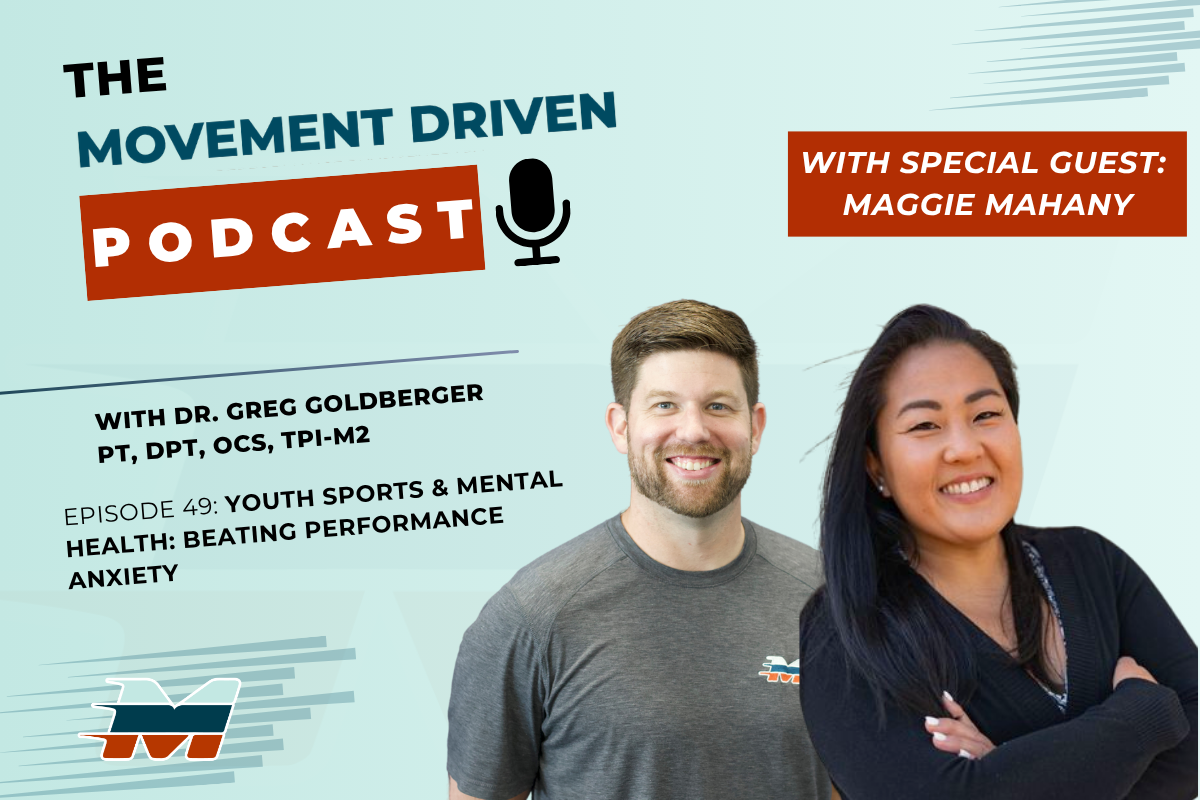
Dr. Greg talks youth sports psychology, performance anxiety, and men's mental health with LMHC and CrossFit coach Maggie Mahany.
Getting back into a workout routine after time off? Learn how to return to exercise safely and avoid re-injury from a Jacksonville physical therapist.