Spring Training Exposes Everything: Was Your Off-Season Actually Good Enough?
Greg Goldberger • April 22, 2026
Why early-season arm pain is an off-season problem — and what to do about it before next year

Spring training is here. And if you have a baseball player in your house — or you are one — you know exactly what this time of year feels like. The excitement, the early practices, the first throws of the season.
And then, sometimes, the arm pain.
Here's what Dr. Greg wants you to understand: that pain didn't start in April. April just made it impossible to ignore any longer.
April Doesn't Create the Problem — It Reveals It
Most people assume that early-season arm soreness is just part of ramping back up. A little discomfort, a little rust — that's normal, right?
Not exactly. Dr. Greg is clear on this: if your tissues aren't resilient enough to handle the demands of the season, they won't adapt. They'll break down. And the beginning of the season is exactly when that shows up, because that's when the volume and intensity spike — often faster than the body is ready for.
It's not a spring training problem. It's an off-season problem.
What a Bad Off-Season Actually Looks Like
The worst off-season isn't always the one where an athlete did nothing. Sometimes it's the one where they never stopped.
Dr. Greg sees it constantly — young athletes playing fall ball, winter ball, and spring ball back to back, with no real break in between. Parents worry that time off means falling behind. But the research says otherwise. Athletes who take time away from their primary sport — and fill that time with different movement patterns, different sports, different demands — come back more athletic, not less.
The arm needs at least six to eight weeks of genuine rest from throwing. Not complete inactivity. Just a break from the repetitive overhead stress that accumulates over a long season. Your shoulder, elbow, and the small stabilizing muscles around both don't recover fully without it.
The other piece most athletes skip entirely? Progressive loading. Staying generally active isn't the same as building capacity. If you're not gradually increasing the strength demands on the tissues you actually use in your sport, your body hasn't been prepared — it's just been maintained.
What a Good Off-Season Actually Builds
A well-structured off-season for a baseball player has a few non-negotiables.
Strength — and not just the arm. Dr. Greg is emphatic about this: power in baseball starts in the legs. Glute strength, heavy squats, band work — if that foundation isn't there, throwing velocity, hitting power, and base running ability all suffer. Scouts notice. Injuries also notice.
Mobility is the other piece that often gets overlooked, especially for adolescent athletes going through growth spurts. Bones grow faster than muscles and tendons, and if flexibility isn't maintained through that process, those tissues end up absorbing forces they aren't prepared for. Range of motion work during the off-season isn't optional — it's protective.
And then there's conditioning. Baseball isn't a long, slow endurance sport — it's explosive, stop-and-go, high-intensity bursts followed by rest. That means training should match it. Sprints, plyometrics, HIIT-style intervals. Not miles on a treadmill.
The Part Nobody Talks About: Slowing Down
Here's something Dr. Greg brings up that most training programs miss entirely: the majority of throwing injuries don't happen during the acceleration phase. They happen at the end of it.
Once the ball is released, the arm has to decelerate — fast. That deceleration load falls on the posterior rotator cuff, the scapular muscles, and the surrounding soft tissue. If those structures aren't trained eccentrically, they become the weak link. Every throw asks them to do a job they haven't been built for.
This is why medicine ball training — done correctly — matters. Not just throwing a heavy ball hard, but catching it, resisting it, controlling the decel. That's the work that protects the arm.
The Bottom Line
You don't have a spring training problem. You have an off-season preparation problem. And the good news is, the same training that prevents injury is the exact same training that builds performance. There's no tradeoff. You just have to do the work at the right time — before the season asks for everything you have.
📍 In the Jacksonville area and want to make sure your athlete is actually prepared? Book a discovery call at Movement Driven. Dr. Greg has worked with MLB All-Stars and eight-year-olds alike, and the approach is the same either way — build the body right, and performance follows.
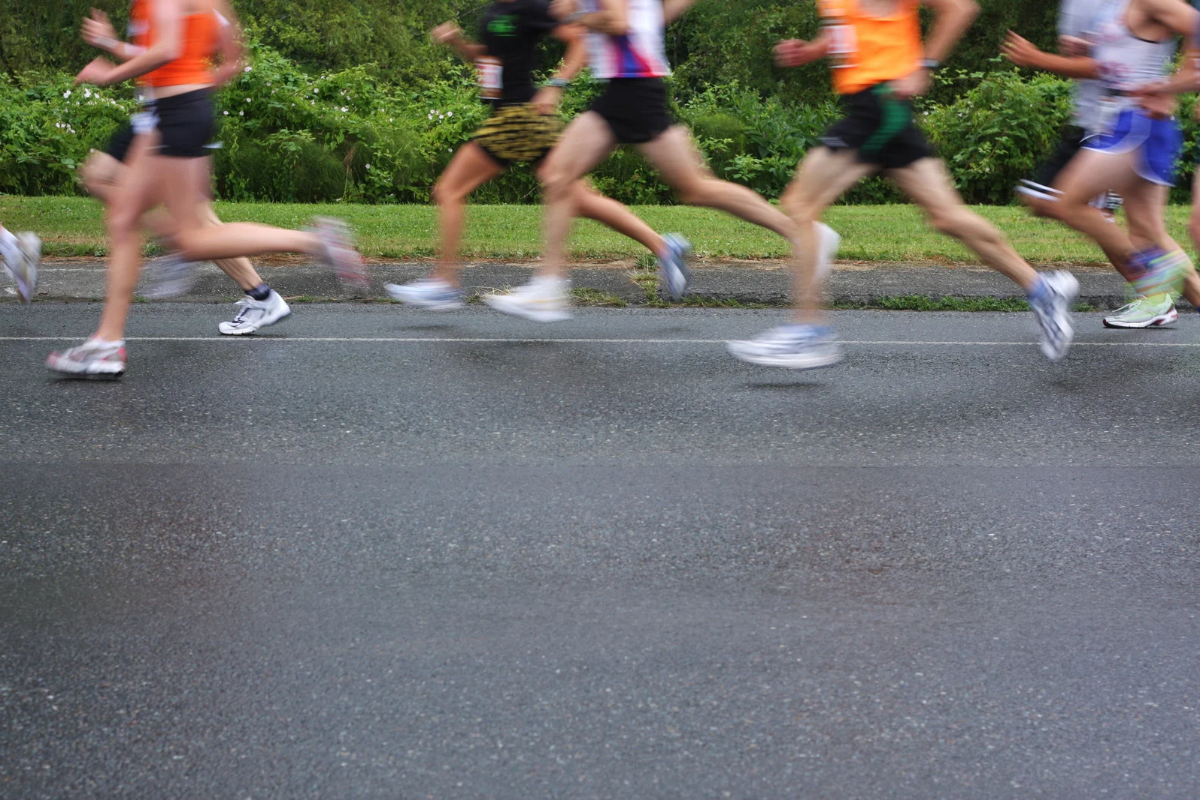
Training for a fall race? Learn five running injury warning signs and how Movement Driven helps runners in Jacksonville and St. Johns, FL.
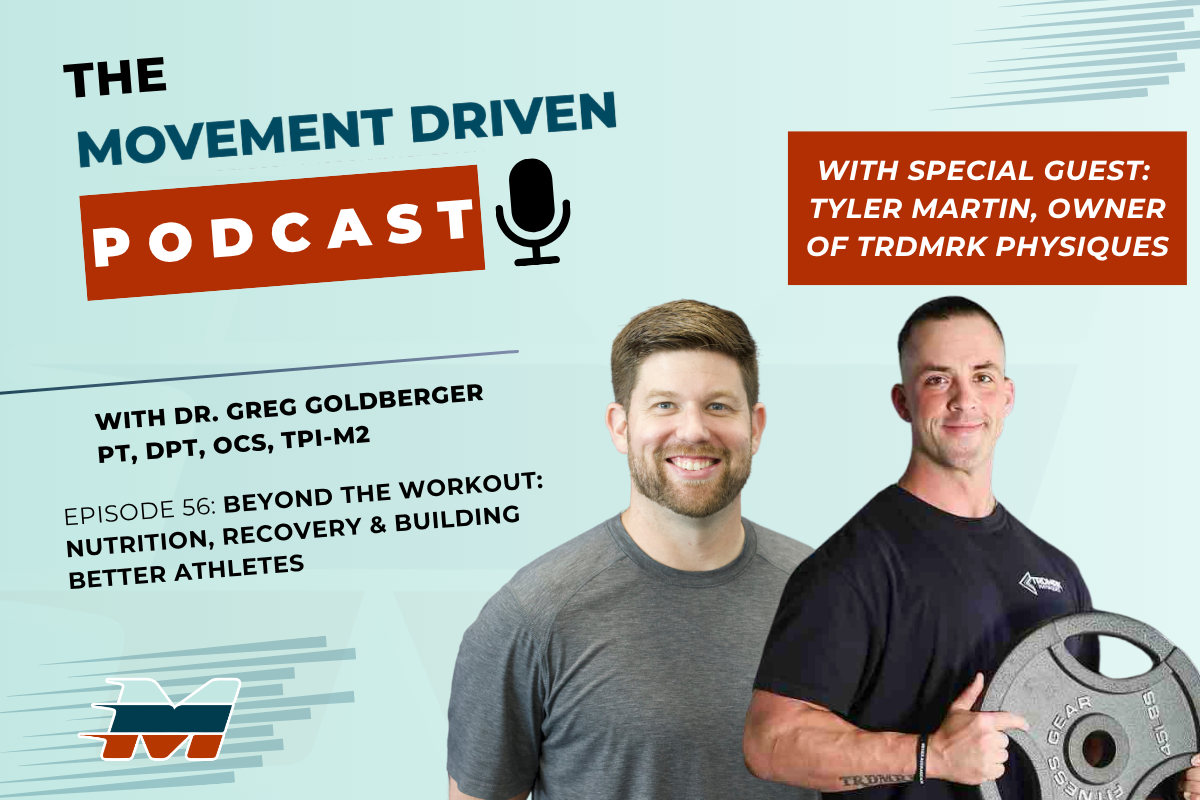
Dr. Greg and Tyler Martin discuss personalized fitness, nutrition, recovery, physical therapy, and golf performance in Jacksonville and St. Johns, FL.
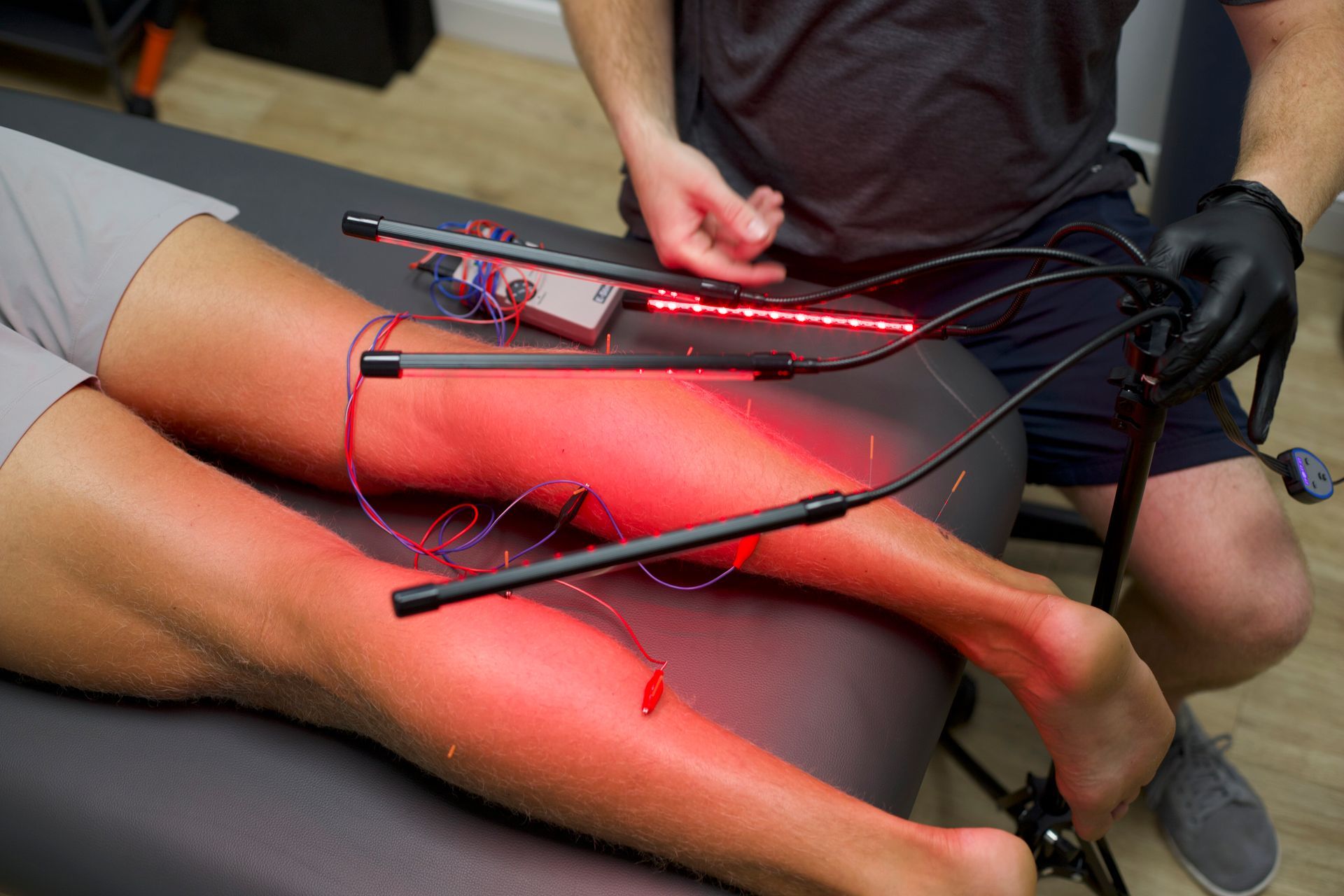
Compare dry needling and massage for muscle tightness and pain. Explore individualized care at Movement Driven in Jacksonville and St. Johns, FL.
Learn how to return to golf after injury with Dr. Greg’s tips on pain, mobility, strength, TPI assessments, and rebuilding your swing safely.
Not sure if it's normal soreness or something more? Movement Driven breaks down the signs that mean it's time to see a physical therapist.

Learn what the research actually says about safely increasing weekly mileage — and where the 10% rule falls short.

Movement Driven answers a common question from Jacksonville and St. Johns County parents. Here's what it actually checks for.
Learn the difference between tennis elbow and golfer’s elbow, common causes of elbow pain, and why treating the source matters with Dr. Greg Goldberger.
See the warm-up routine Movement Driven recommends to Jacksonville and St. Johns County golfers heading into fall golf season.
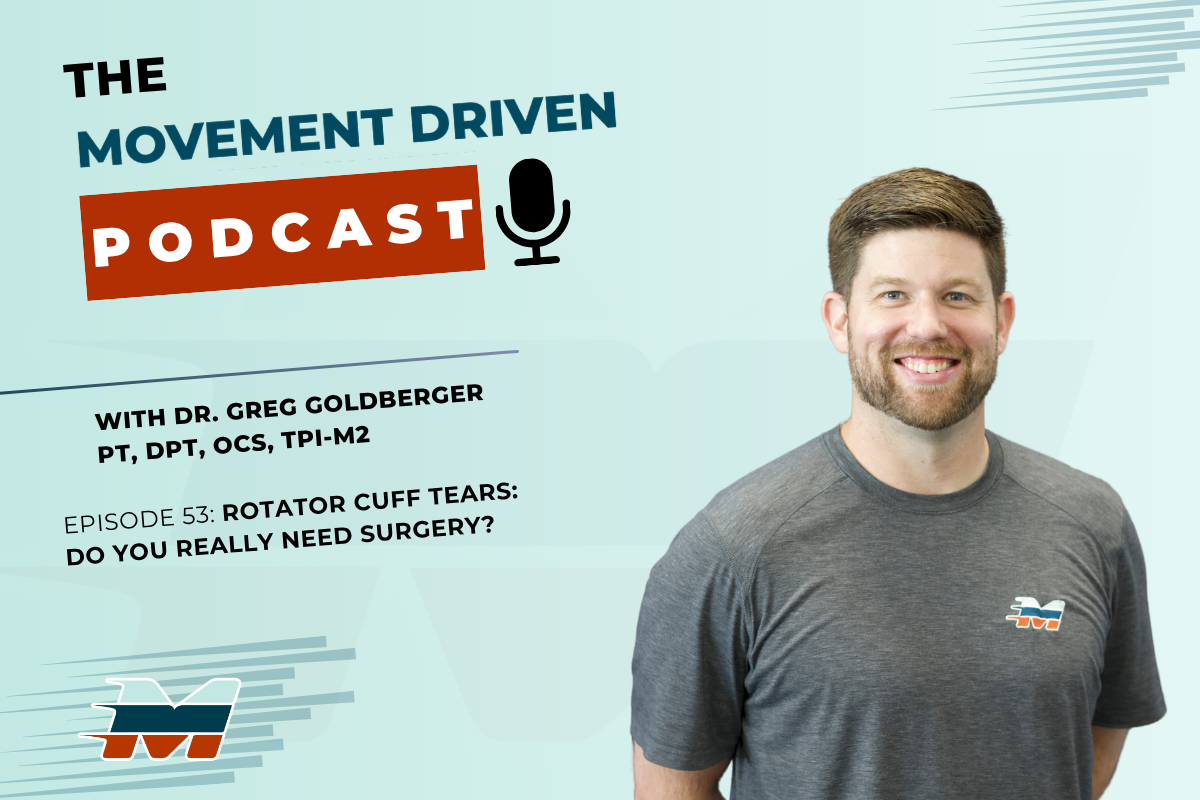
Does a rotator cuff tear mean surgery? Dr. Greg explains MRI findings, red flags, partial vs. full tears, and when physical therapy may help.