Why Baseball Injuries Spike in April — Tommy John, Little League Elbow & How to Protect Young Arms
Greg Goldberger • April 15, 2026
What every baseball parent needs to know about Tommy John, growth plate injuries, and why April is the riskiest month of the season.

Opening Day is in the books. And if your kid plays baseball — or if you're still suiting up yourself — right now is exactly when injuries start showing up.
But here's what Dr. Greg wants you to understand first: most arm injuries in baseball aren't bad luck. They're predictable. And they're preventable.
April Is the Danger Zone
There are two times of year when baseball injuries spike. Early season, when athletes ramp up too fast. And late season, when accumulated fatigue finally wins.
April is the more surprising one. Players feel fresh. They feel strong. They're motivated. But that feeling is deceiving — because muscles recover faster than tendons. An athlete can feel completely ready while their arm tissue is nowhere close.
Dr. Greg sees it consistently: third or fourth game of the season, an arm breaks down. Not because of one bad throw, but because the body went from zero to full intensity before the tendons had a chance to catch up.
The Three Injuries You Need to Know
When it comes to baseball arm injuries, Dr. Greg comes back to the same three:
Tommy John (UCL tear)
— This is a reconstruction of the ulnar collateral ligament on the inside of the elbow. It doesn't tear randomly. It's the result of microtrauma stacking up over time until the tissue can no longer handle the load. The ligament is essentially being pulled apart every single time a pitcher throws — and if the surrounding system isn't strong enough to share that stress, the UCL absorbs it all.
Little League elbow
— In younger athletes, the ligaments are more lax and flexible. The weak point is the growth plate. Little League elbow is repetitive stress pulling at the growth plate of the elbow. Left unchecked, that stress becomes gapping — and gapping can become a fracture.
Little League shoulder — Same concept, different location. The growth plate at the shoulder is under repeated stress with every throw. These injuries are most common between roughly ages eight and fourteen, right in the window where kids are deep in development and often playing their hardest.
The Tommy John Myth
Dr. Greg has heard it more than once: parents asking whether their son should just get the surgery now so he can throw harder.
The answer is no. The surgery doesn't create velocity. The rehab does. And the exact exercises used in Tommy John rehab — scapular stability, T-spine mobility, rotator cuff strength, leg power and ground force — are the same exercises used to build velocity and prevent injury in the first place.
You don't need a surgery to get the benefit. You need the work.
What to Watch For Before It Becomes an Injury
The first warning sign is almost never pain. It's fatigue.
If a young pitcher says their arm feels heavy, dead, or like it just doesn't have anything behind it — that's the signal. Velocity dropping without explanation is another one. These are the body's early warnings, and they're worth taking seriously before something actually breaks down.
For parents in Florida especially: baseball is year-round here, and that's a real problem. Dr. Greg's consistent recommendation is six to eight weeks completely off from throwing per year. Not light throwing — off. Playing another sport counts. In fact, it helps. Multi-sport athletes develop better, stay healthier, and ultimately perform at a higher level in their primary sport.
What Parents Can Actually Do
Rest when the body asks for it. A tournament in April does not outweigh a healthy arm in June, August, or four years from now.
Invest in prehab — not after the breakdown, but before it. A movement assessment can identify the underlying mechanics that are putting excess stress on the elbow or shoulder and address them while there's still time.
And if the growth plate is involved? Stop throwing. Full stop. Playing through it doesn't just risk the season — it risks the limb.
Dr. Greg puts it simply: the exercises that prevent injury are the same ones that build a stronger, higher-velocity arm. There's no tradeoff. Do the work now, and the arm will be there for the long haul.
📍 Local to Jacksonville? Book a movement assessment with Dr. Greg at Movement Driven and get ahead of the season before your athlete's arm starts telling you it's too late.

Training for a fall race? Learn five running injury warning signs and how Movement Driven helps runners in Jacksonville and St. Johns, FL.
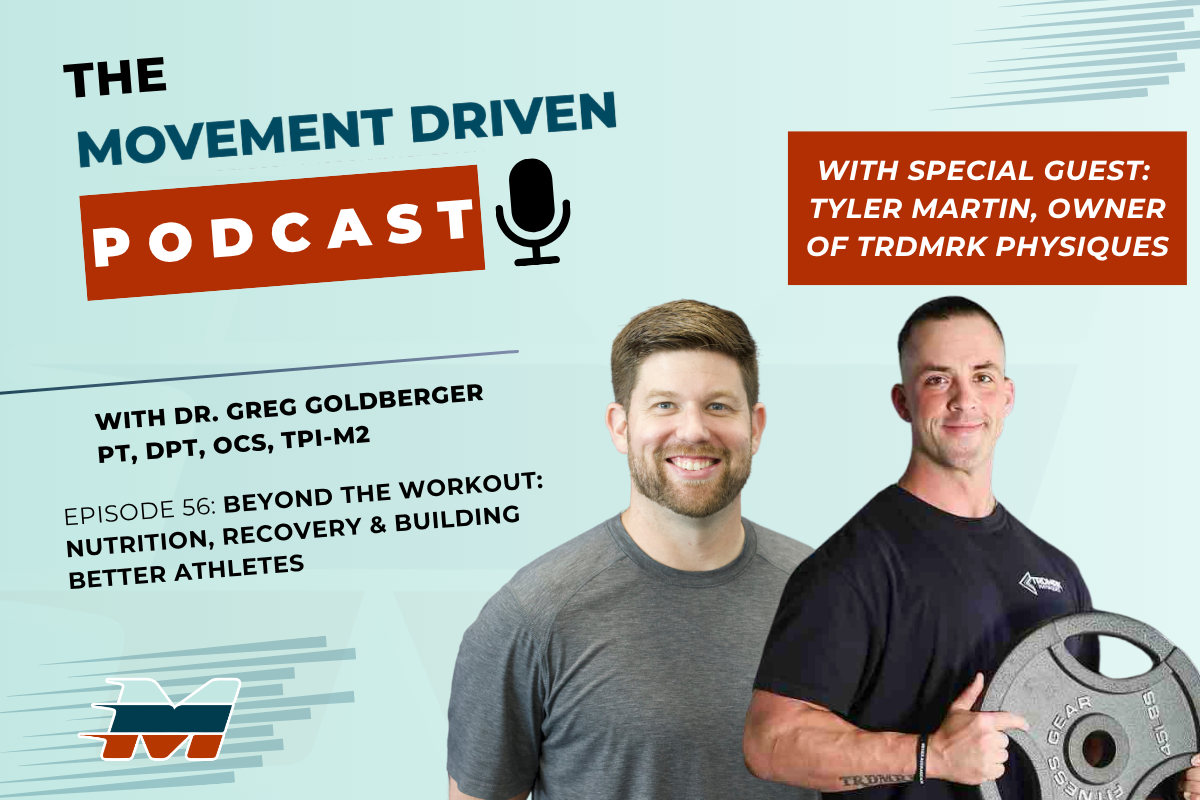
Dr. Greg and Tyler Martin discuss personalized fitness, nutrition, recovery, physical therapy, and golf performance in Jacksonville and St. Johns, FL.
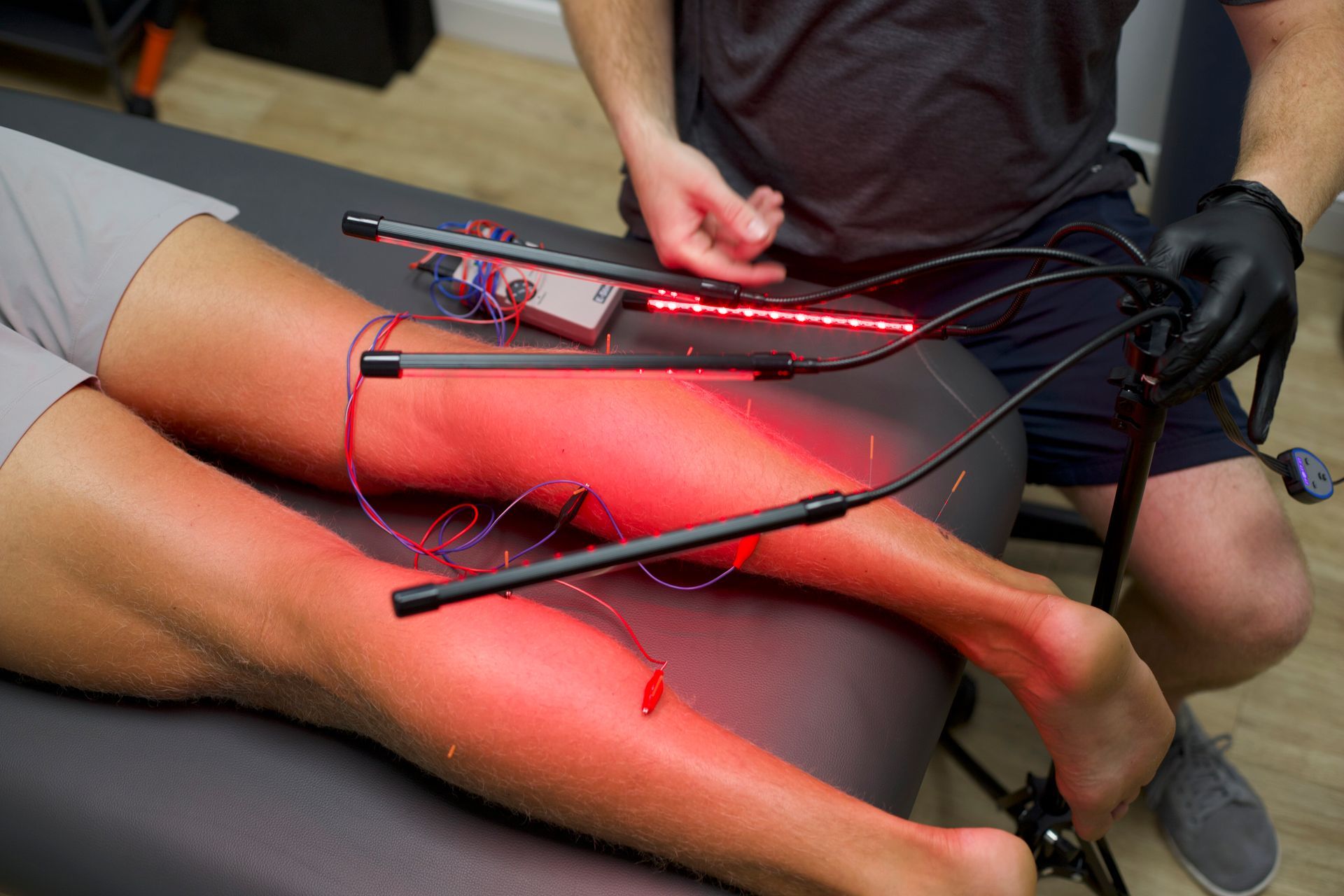
Compare dry needling and massage for muscle tightness and pain. Explore individualized care at Movement Driven in Jacksonville and St. Johns, FL.
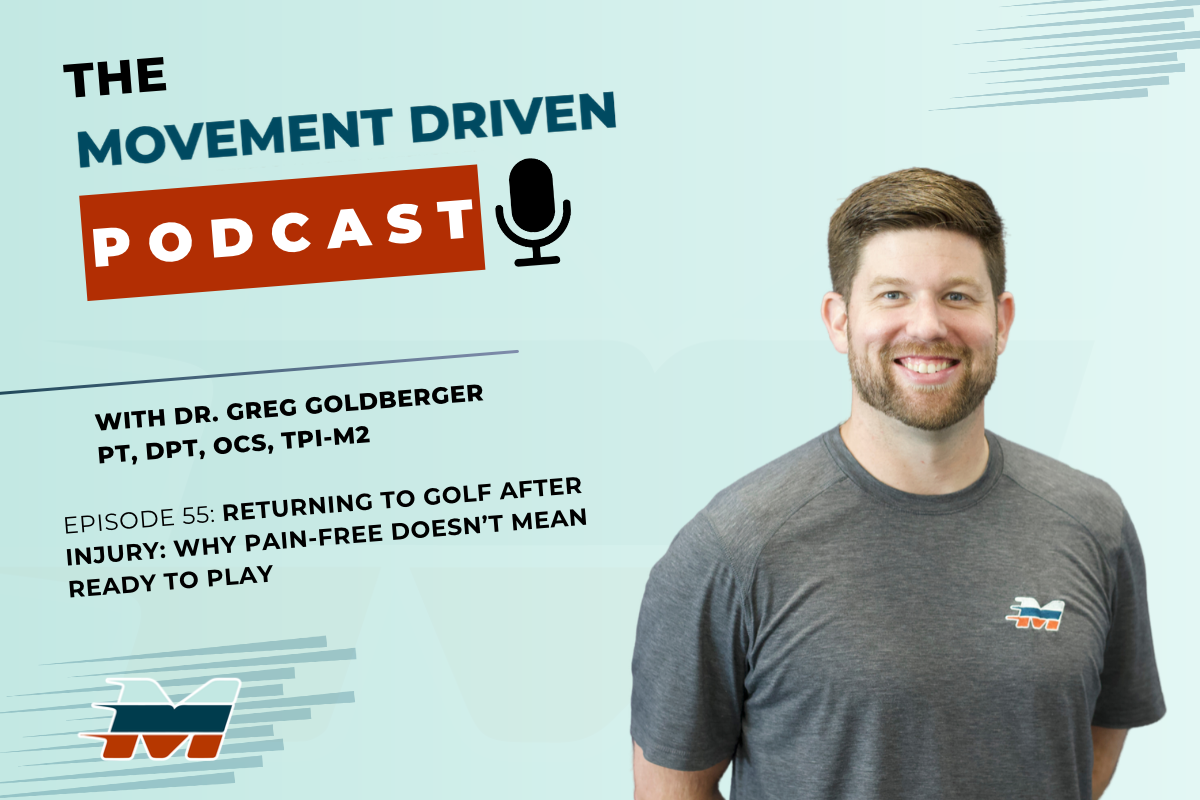
Learn how to return to golf after injury with Dr. Greg’s tips on pain, mobility, strength, TPI assessments, and rebuilding your swing safely.
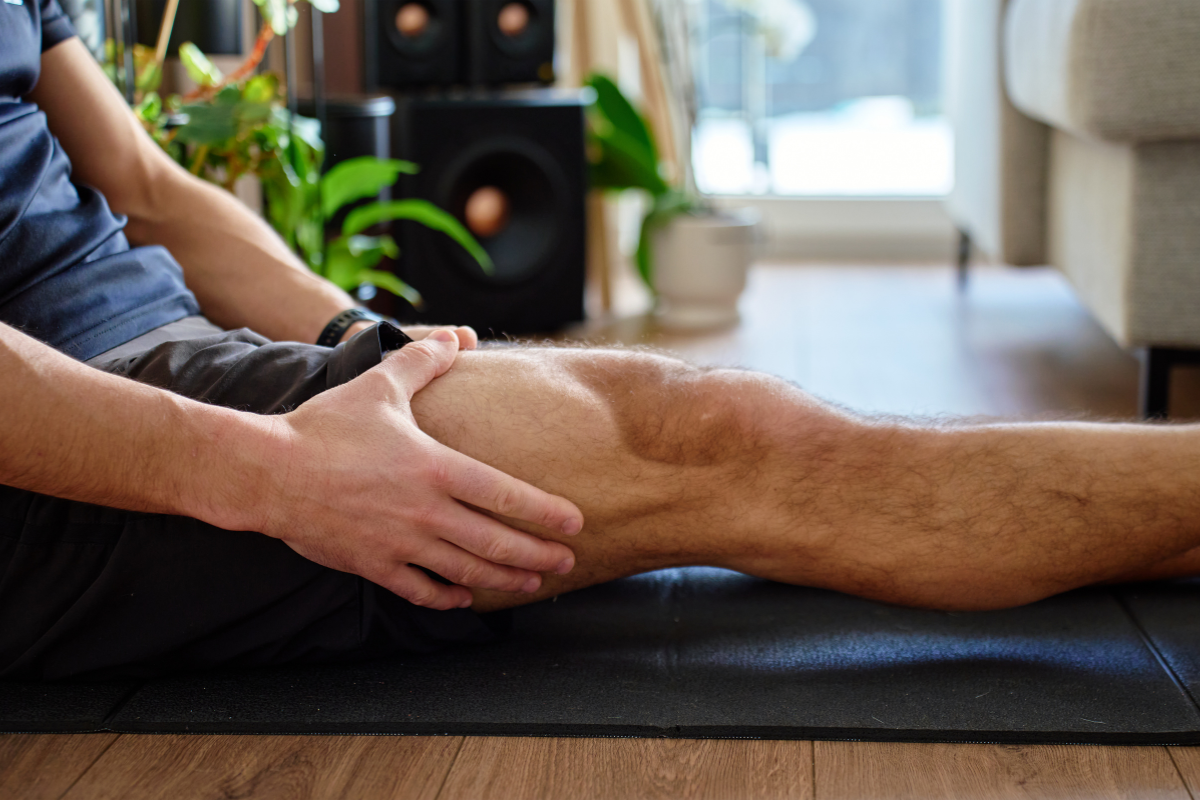
Not sure if it's normal soreness or something more? Movement Driven breaks down the signs that mean it's time to see a physical therapist.

Learn what the research actually says about safely increasing weekly mileage — and where the 10% rule falls short.

Movement Driven answers a common question from Jacksonville and St. Johns County parents. Here's what it actually checks for.
Learn the difference between tennis elbow and golfer’s elbow, common causes of elbow pain, and why treating the source matters with Dr. Greg Goldberger.
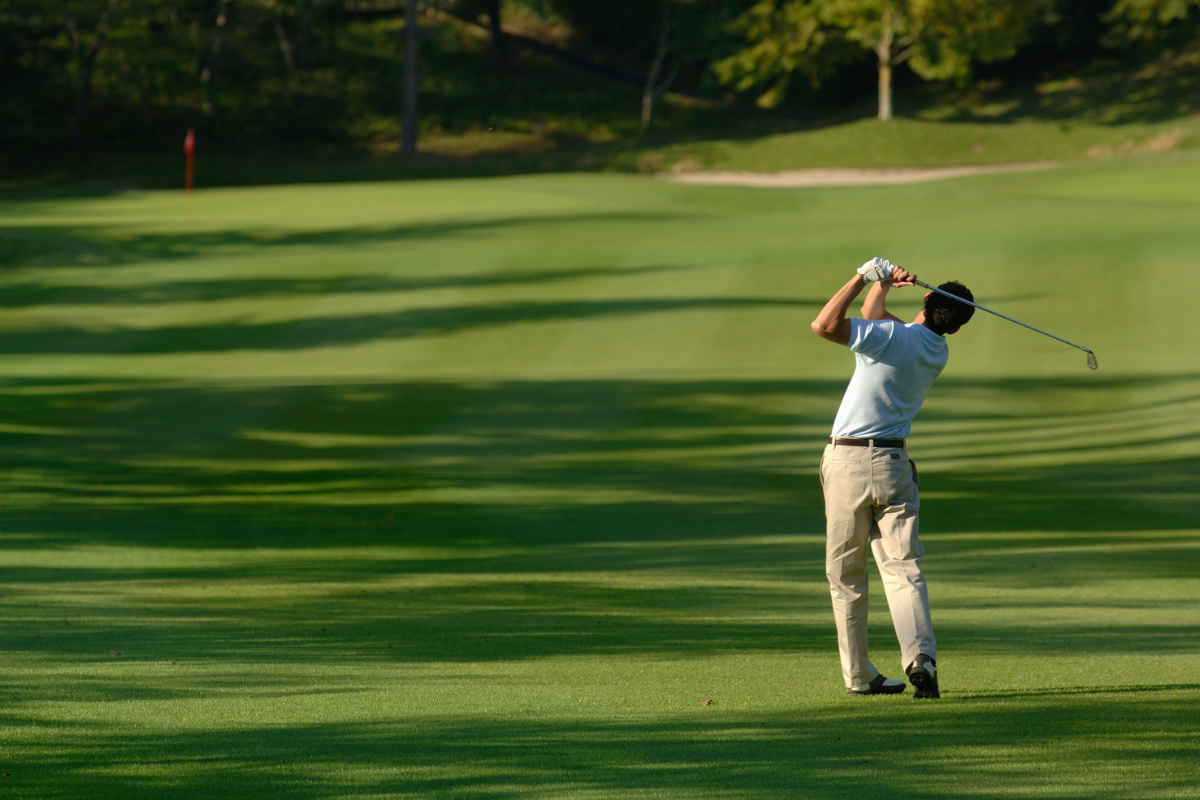
See the warm-up routine Movement Driven recommends to Jacksonville and St. Johns County golfers heading into fall golf season.
Does a rotator cuff tear mean surgery? Dr. Greg explains MRI findings, red flags, partial vs. full tears, and when physical therapy may help.