Master Your Mobility: The Missing Link in Your Golf Swing
Greg Goldberger • April 1, 2026
Why fixing your body before your swing is the key to playing better golf all season long.

The Masters is here. And if you're like most golfers, you're watching Scottie Scheffler carve through Augusta and thinking — I need to work on my swing.
But here's what Dr. Greg Goldberger wants you to understand first: if your body can't get into the positions a good swing requires, no amount of instruction is going to fix it.
Your Swing Isn't the Problem
Most golfers assume their issues are technical. They hire instructors. They watch video after video. They try drill after drill. And yet — the same faults show up round after round.
Dr. Greg sees this constantly. And the answer is almost never in the swing itself. It's in the body doing the swinging. If your hips are stiff, you can't load properly. If your thoracic spine is locked up, you can't create the upper and lower body separation that generates power. The club manipulation is just a workaround — and workarounds don't stick.
The first thing Dr. Greg looks at with any golfer isn't their swing. It's their mobility.
The Big Three Restrictions
When it comes to what's actually limiting golfers, Dr. Greg keeps coming back to the same three areas:
Hip mobility — specifically internal rotation. If your lead hip can't rotate efficiently through the downswing, you lose power and put everything else in a compromised position.
Thoracic spine — your upper back is designed to rotate. When it doesn't, that rotational demand gets pushed somewhere else. And that somewhere else is almost always your low back.
Scapular control — your shoulder blades are supposed to wrap around the rib cage and support the shoulder joint through the swing. When they don't, the shoulder and elbow start absorbing forces they were never meant to handle. Coming over the top? That's often a scapular control issue.
Why Your Low Back Keeps Taking a Hit
Here's the part most people don't know: your lumbar spine is not built to rotate. It's designed to flex and extend. The hips and thoracic spine are the body's natural rotators — and when both of those are restricted, the low back ends up doing a job it was never designed for, over and over again, swing after swing.
It's not one bad round that causes a disc issue. It's hundreds of rounds where the wrong structure is absorbing the wrong forces. Dr. Greg puts it plainly: if your hips and thoracic spine are both restricted, your low back is going to break down. It's a matter of when, not if.
What to Do Right Now
If you've been less active through the winter — or if golf is your primary form of exercise and you're just getting back at it — your body needs a ramp-up, not a deep end.
Don't go from zero to three rounds a week and two range sessions. Your tendons and joints haven't built up the capacity to handle that volume, even if your motivation is at an all-time high. Progress the load steadily. One step at a time.
And while you're watching four days of Masters coverage? Get off the couch and get on the floor. One hour a day of mobility work — hips, thoracic spine, shoulder blades — will do more for your golf game than any swing tip you'll hear from the broadcast booth.
The Bottom Line
You don't have a swing problem. You have a mobility problem. Fix the body first, and the swing follows.
📍 Local to Jacksonville or St. Johns? Book a discovery call at Movement Driven and get a full TPI assessment. You'll feel the difference within your first few visits.
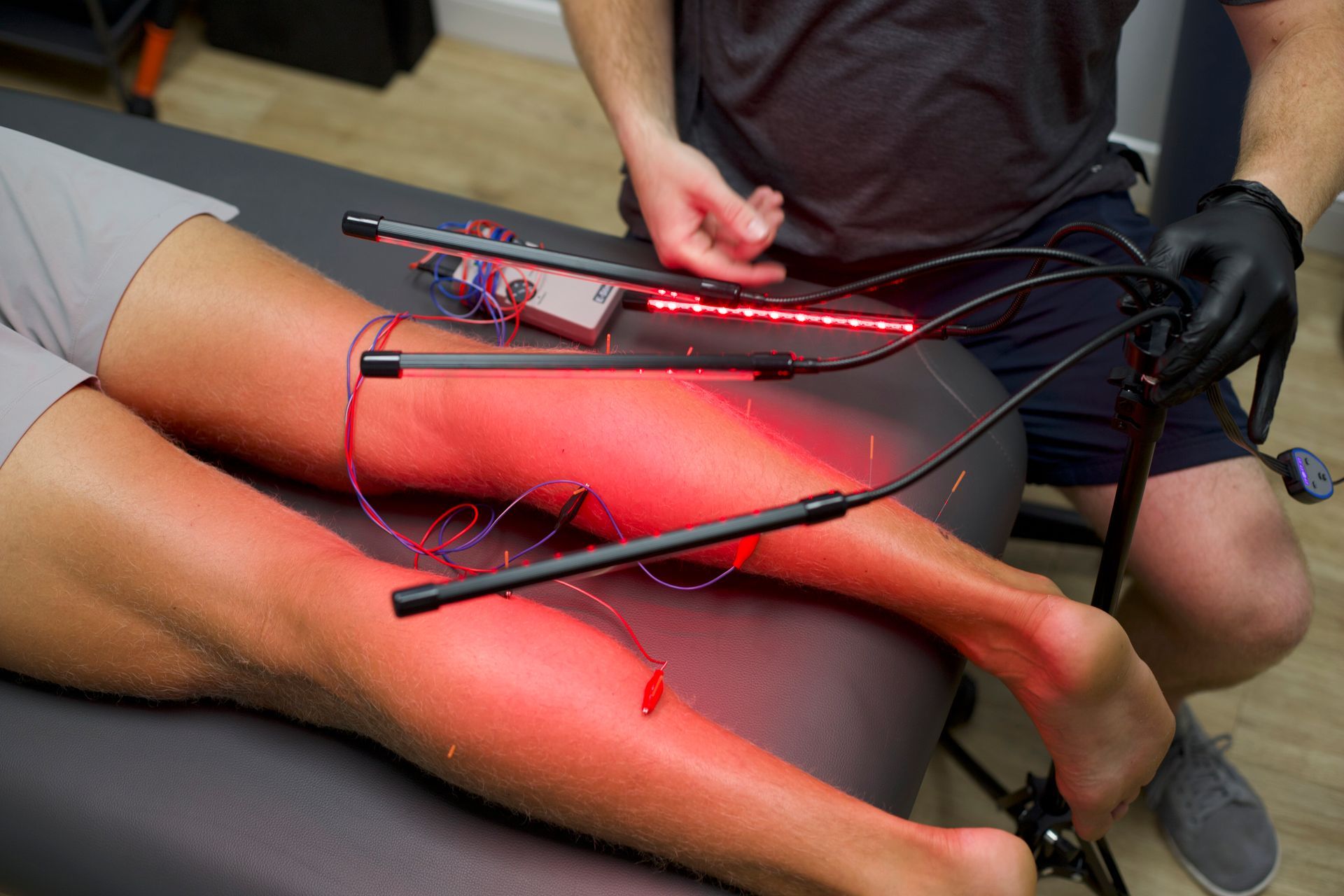
Compare dry needling and massage for muscle tightness and pain. Explore individualized care at Movement Driven in Jacksonville and St. Johns, FL.
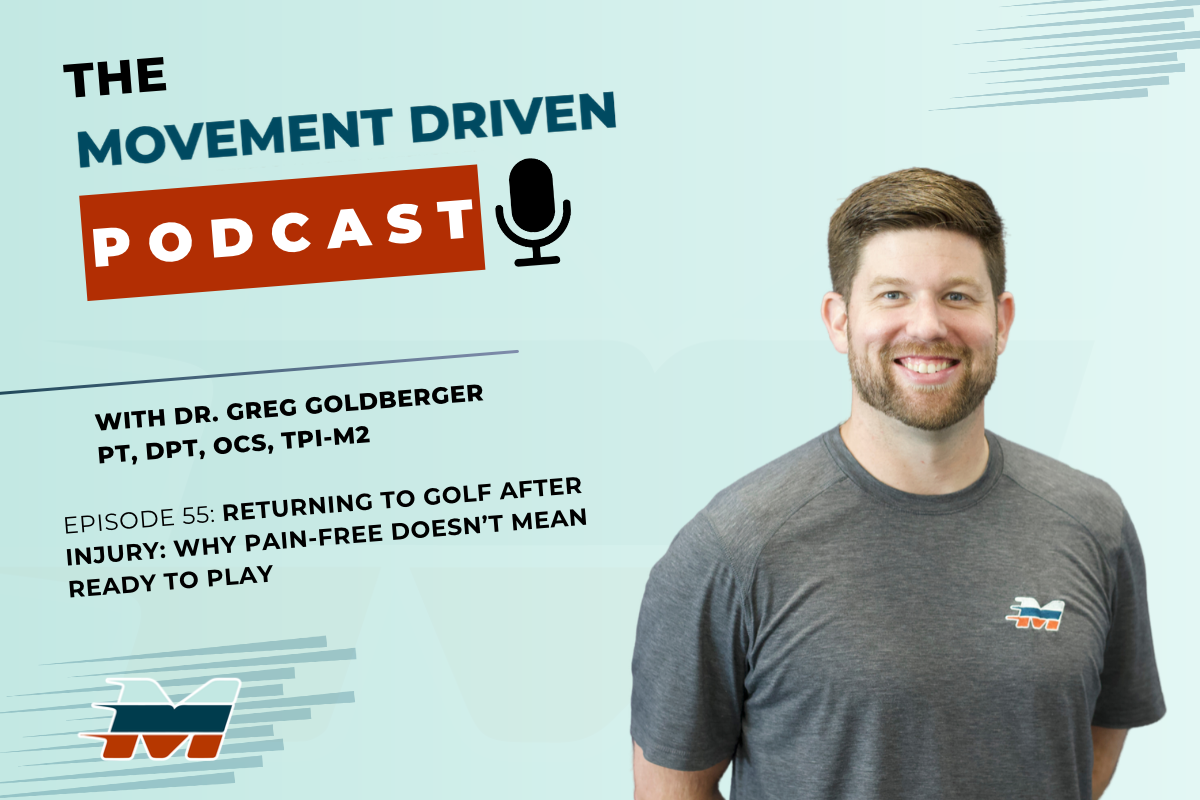
Learn how to return to golf after injury with Dr. Greg’s tips on pain, mobility, strength, TPI assessments, and rebuilding your swing safely.
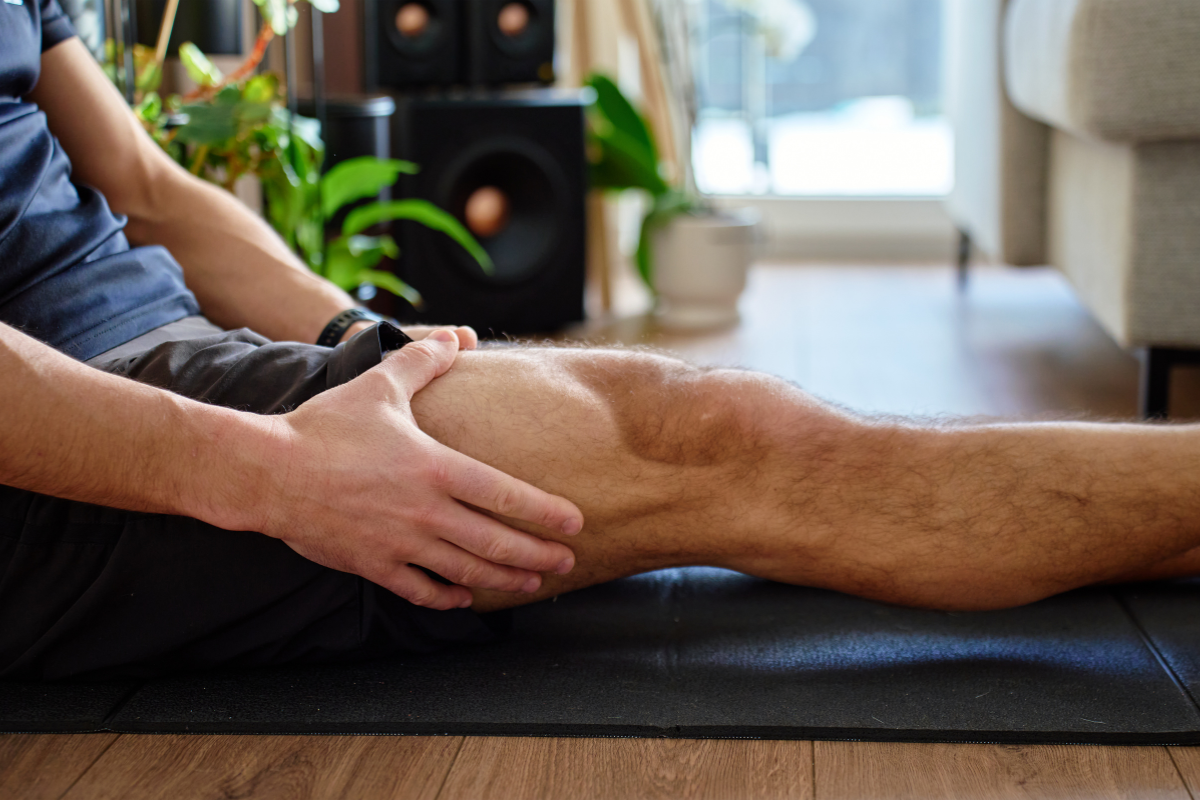
Not sure if it's normal soreness or something more? Movement Driven breaks down the signs that mean it's time to see a physical therapist.

Learn what the research actually says about safely increasing weekly mileage — and where the 10% rule falls short.

Movement Driven answers a common question from Jacksonville and St. Johns County parents. Here's what it actually checks for.
Learn the difference between tennis elbow and golfer’s elbow, common causes of elbow pain, and why treating the source matters with Dr. Greg Goldberger.

See the warm-up routine Movement Driven recommends to Jacksonville and St. Johns County golfers heading into fall golf season.
Does a rotator cuff tear mean surgery? Dr. Greg explains MRI findings, red flags, partial vs. full tears, and when physical therapy may help.

Two-a-days spike football injuries in Jacksonville and St. Johns County every fall. Learn what causes the surge and how youth and adult athletes can train through it safely.
Dr. Greg talks postpartum recovery, pelvic health myths, and functional medicine with Dr. Jenny Quartano, PT, DPT of All Together Wellness.