
The Women Who Taught Me the Most About Resilience: A Note on Treating Female Athletes in St. Johns County
Greg Goldberger • March 8, 2026
Female athletes are among the most determined — and most underserved — patients in physical therapy.

I want to take a moment this Women's History Month to talk about something I have witnessed over and over in my clinical practice — something that does not get nearly enough attention in the world of physical therapy and sports performance.
The female athletes I treat are some of the most resilient, determined, and underserved patients in my practice.
The women who come through our doors have often been told to rest, take it easy, or accept their pain as normal. Most of them knew something was wrong long before anyone listened.
I want to change that.
The Stories That Stick With Me
There is the 52-year-old pickleball player who was told by two different providers that her hip pain was 'just arthritis' and she should 'take it easy.' She came to me frustrated and frankly a little defeated. Eight weeks later, she was back on the court — stronger and more confident than before.
There is the CrossFit mom in her mid-forties who had been quietly managing pelvic floor symptoms for years because no one had ever told her that a physical therapist could help with that. She thought it was just something she had to live with after having kids. It is not.
There is the 60-year-old runner who completed a half marathon six months after a hip replacement, because she refused to accept that her running days were behind her. She was right to refuse.
Each of these women came in with different conditions, different goals, and different histories. What they had in common was that their concerns had been minimized somewhere along the way. That is something I take seriously.
Why Female Biomechanics Require a Different Approach
This is not just about being sensitive or inclusive — it is about physiology. Female biomechanics are genuinely different from male biomechanics in ways that directly affect injury patterns, recovery timelines, and treatment approaches.
A few examples that matter clinically:
- Hip and knee alignment: Women typically have a wider pelvis relative to femur length, which creates a greater Q-angle at the knee. This contributes to higher rates of ACL tears, patellofemoral pain, and IT band issues in female runners and athletes.
- Hormonal fluctuations: Estrogen levels affect ligament laxity throughout the menstrual cycle. Research increasingly shows that injury risk — particularly ACL and other ligament injuries — is not uniform across the month. This matters for training load management.
- Pelvic floor function: This is one of the most underaddressed areas in women's health PT. Core stability, hip function, and pelvic floor health are deeply interconnected. Issues here affect performance and recovery in ways that go far beyond the obvious.
The Gap We Need to Close
Women in sports and fitness often get a diluted version of performance-based care. The assumption — sometimes unconscious, sometimes not — is that female patients want a less aggressive, more conservative approach. In my experience, that is often exactly backwards.
The active women I treat in Jacksonville and St. Johns County are not looking to be managed. They want to compete. They want to keep up with their grandchildren, finish their race, swing the club, and live without pain. They deserve a clinical approach that matches that ambition.
Performance physiotherapy for female athletes means taking the goal seriously. It means understanding the physiology. It means not settling for 'good enough' when the patient clearly has not settled for it herself.
A Note of Gratitude
To every female patient who has trusted me with their care — thank you for pushing back when the answer did not feel right. Thank you for advocating for yourselves. Thank you for showing up with high expectations. You have made me a better clinician.
If you are an active woman in the Jacksonville or St. Johns County area who has been told to rest, wait it out, or accept your limitations — I would encourage you to get a second opinion. Your goals are worth fighting for.
➤ Book your free 15-minute discovery call. Let's talk about where you are and where you want to be.
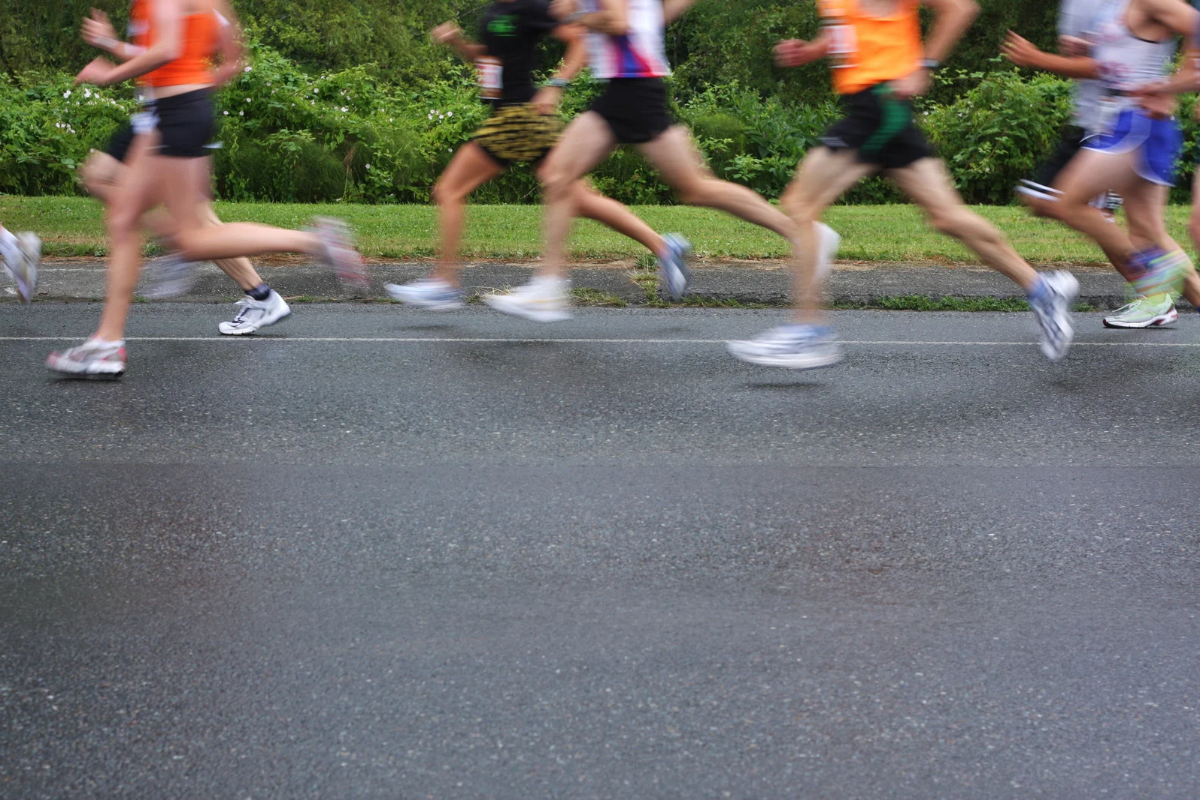
Training for a fall race? Learn five running injury warning signs and how Movement Driven helps runners in Jacksonville and St. Johns, FL.
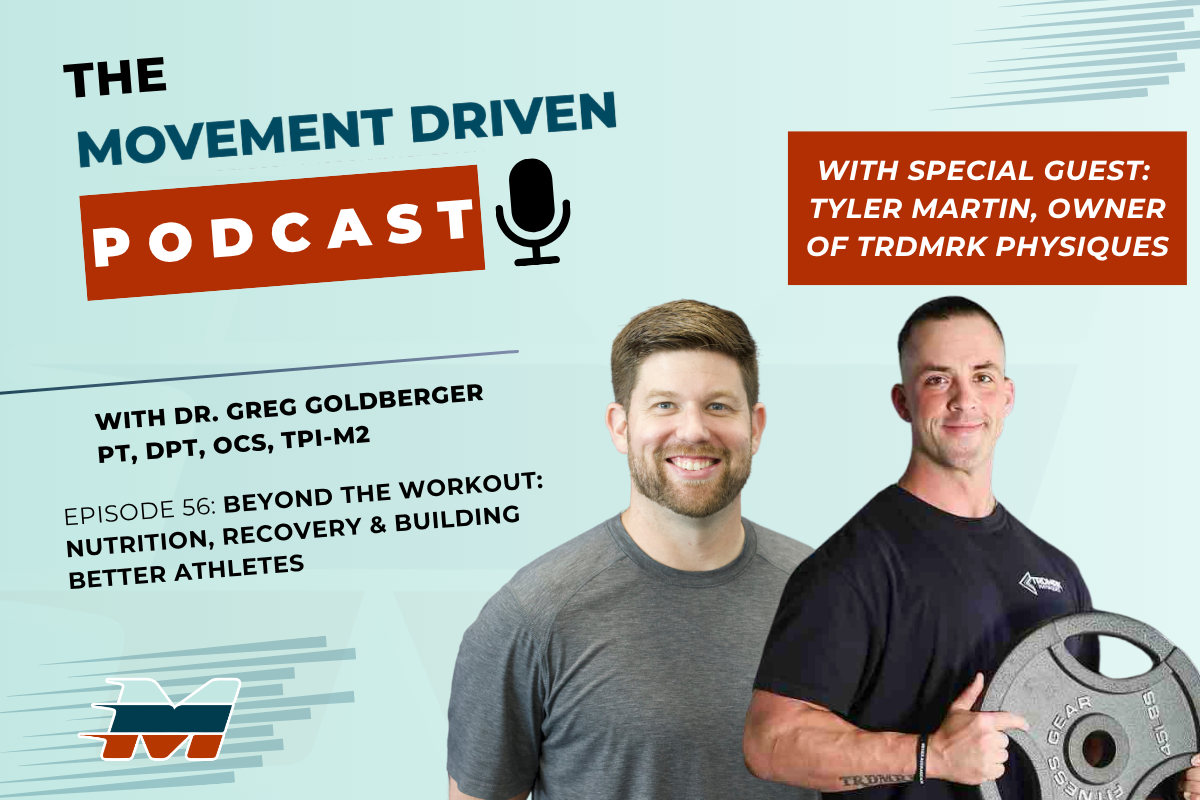
Dr. Greg and Tyler Martin discuss personalized fitness, nutrition, recovery, physical therapy, and golf performance in Jacksonville and St. Johns, FL.
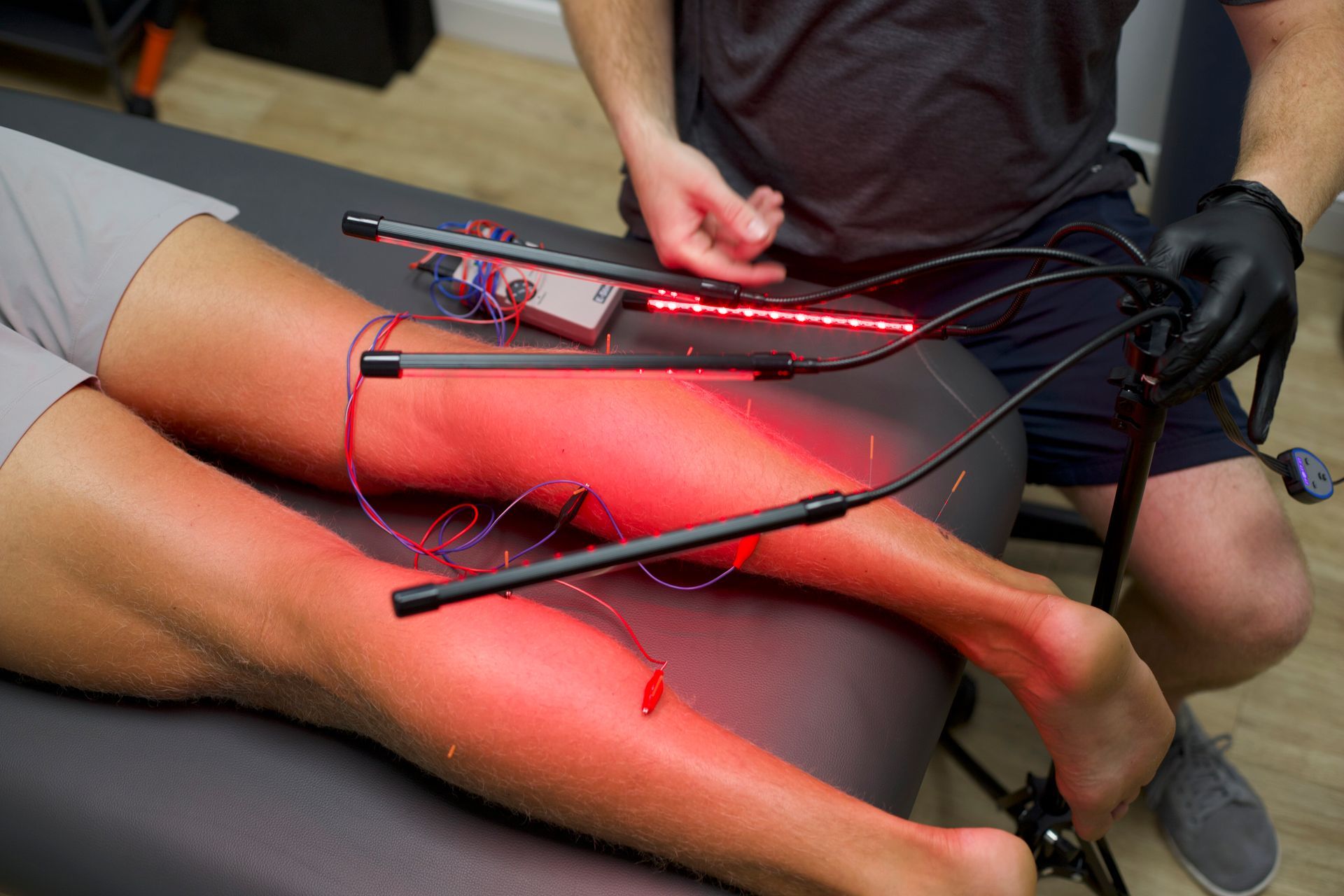
Compare dry needling and massage for muscle tightness and pain. Explore individualized care at Movement Driven in Jacksonville and St. Johns, FL.
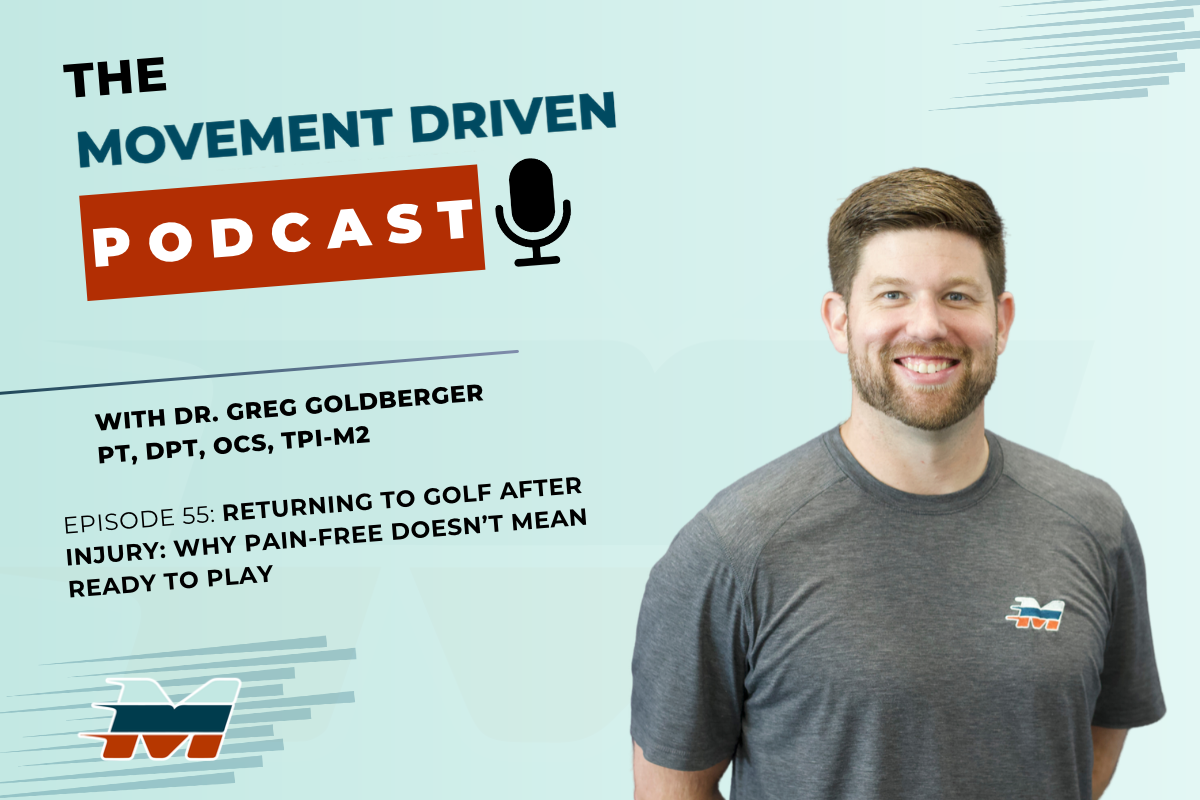
Learn how to return to golf after injury with Dr. Greg’s tips on pain, mobility, strength, TPI assessments, and rebuilding your swing safely.
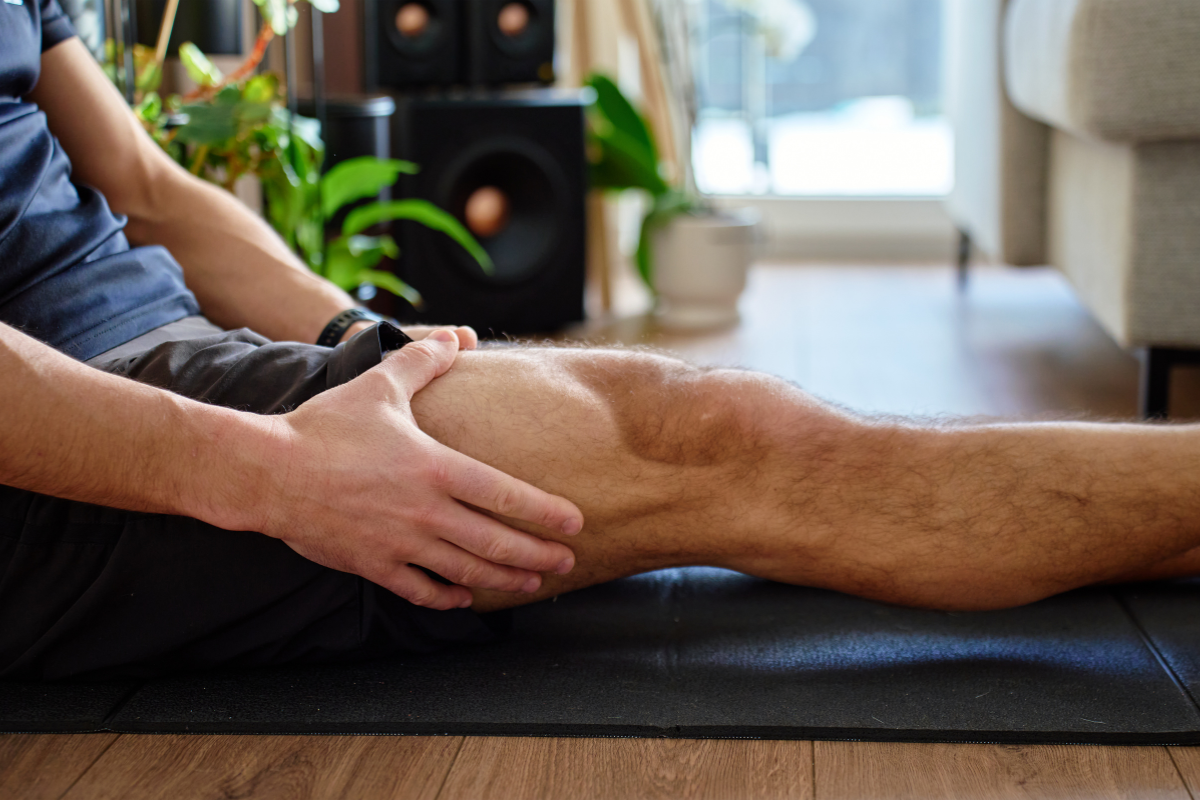
Not sure if it's normal soreness or something more? Movement Driven breaks down the signs that mean it's time to see a physical therapist.
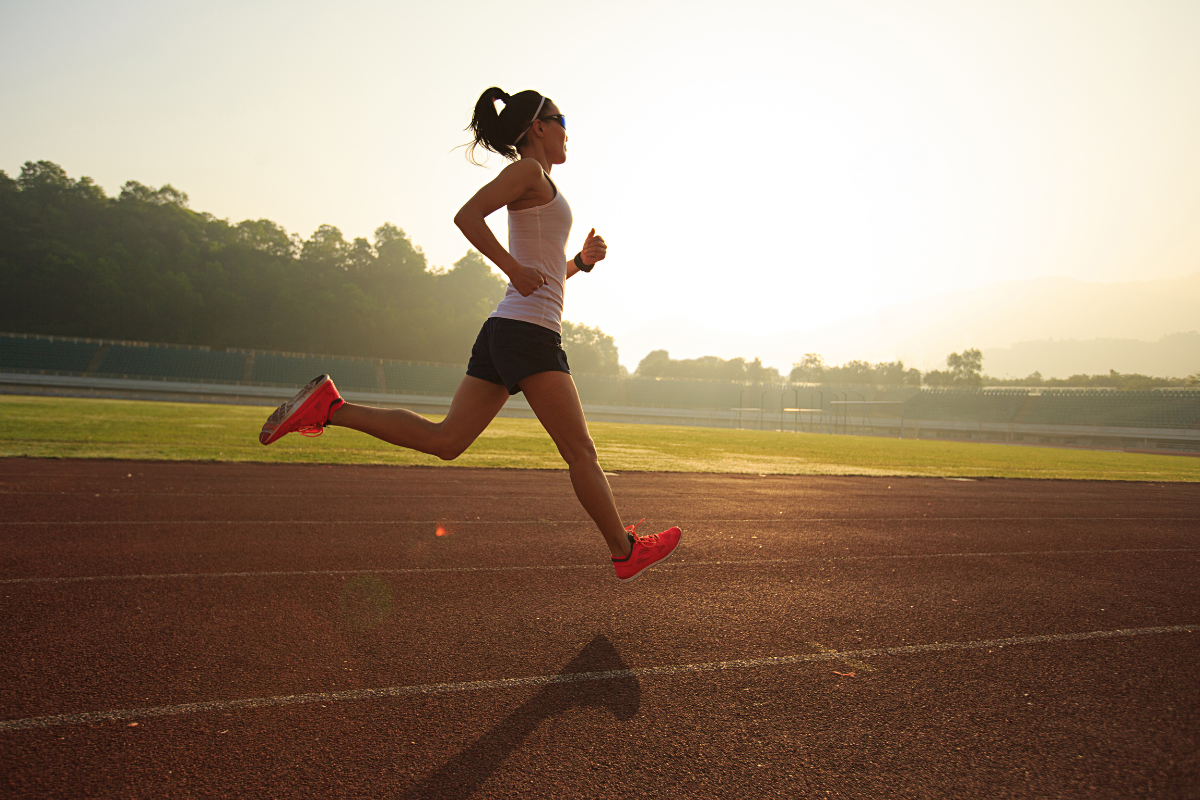
Learn what the research actually says about safely increasing weekly mileage — and where the 10% rule falls short.

Movement Driven answers a common question from Jacksonville and St. Johns County parents. Here's what it actually checks for.
Learn the difference between tennis elbow and golfer’s elbow, common causes of elbow pain, and why treating the source matters with Dr. Greg Goldberger.
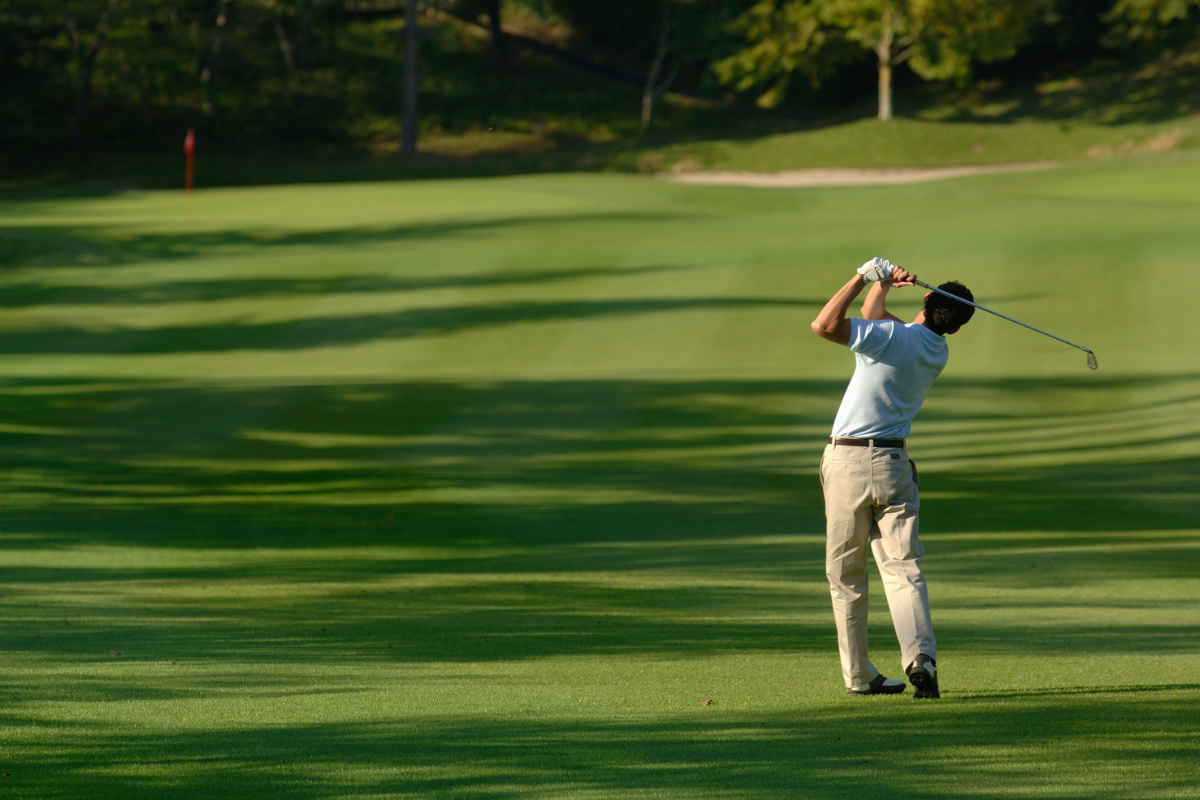
See the warm-up routine Movement Driven recommends to Jacksonville and St. Johns County golfers heading into fall golf season.
Does a rotator cuff tear mean surgery? Dr. Greg explains MRI findings, red flags, partial vs. full tears, and when physical therapy may help.