Chronic Pain Does Not Mean Damage
Greg Goldberger • February 23, 2026
Your pain is real — but it may not mean what you think. Here's what the latest pain science says about why chronic pain persists, and why movement is the most powerful tool to change it.

What Your Nervous System Wants You to Know
You've had the MRI. You've seen the X-rays. Maybe a doctor looked you in the eye and said, "Nothing is wrong." And yet you still hurt — every day, sometimes all day. If that's where you are right now, we want to say something important: your pain is real. It's not in your head. But it may not mean what you think it means.
At our Jacksonville and St. Johns clinics, we work with active teens and adults who are living with persistent pain — and who want their lives back. Understanding why chronic pain happens is the first step toward actually doing something about it.
Why Pain Lasting Months or Years Doesn't Equal Damage
Here's something modern pain science has made abundantly clear: pain is an output of the brain, not a direct readout of tissue damage. Pain is your nervous system's alarm system — and like any alarm, it can get miscalibrated.
In the early stages of an injury, pain serves a vital purpose. It tells you to protect a damaged area while it heals. But when pain persists for months or years — what clinicians call "chronic" pain — the original injury has often healed. What hasn't healed is the nervous system's response to it.
Think of it this way: after a break-in, a homeowner might triple-lock their doors and flinch at every sound for months. The threat is gone, but the alarm system is stuck on high alert. Chronic pain works the same way. Your body learned to protect itself — and now it doesn't know how to stand down.
This is why imaging results often don't match pain levels. Studies have shown that many people with no pain at all have bulging discs, rotator cuff tears, and degenerative joint changes visible on MRI. Conversely, people in significant pain sometimes show "nothing wrong" on imaging. Pain is not a perfect measure of damage — it's a measure of perceived threat.
How Compensation Patterns Keep Pain Cycles Active
When something hurts, your body is incredibly smart about working around it. You shift your weight. You stop using certain muscles. You change how you walk, sit, or reach. These are called compensation patterns, and in the short term, they're helpful.
The problem is that the nervous system takes note of these changes and starts treating them as the new normal. Muscles that should be doing their job go quiet. Other muscles pick up the slack and become overloaded. Joints move through restricted ranges. And over time, these adaptations create their own pain signals — completely separate from the original injury.
This is one of the most common things we see in our clinics with both active teens and adults who train, play sports, or sit at a desk all day. They come in for knee pain, and we find that the real driver is a hip that stopped engaging somewhere along the way. They come in for chronic back pain, and what we discover is a breathing pattern and core that have been compensating for years.
Breaking the cycle means identifying where the compensation started — and restoring the function that was lost. This isn't guesswork. It's systematic movement assessment.
The Difference Between Protective Pain and Injury Pain
Not all pain means the same thing — and learning to distinguish between types of pain is one of the most empowering things you can do.
Injury pain
is acute, local, and tied directly to a specific trauma. It typically worsens with activity, responds to rest and tissue healing, and has a clear beginning and trajectory.
Protective pain
— what most chronic pain actually is — is your nervous system trying to keep you safe based on learned patterns. It can feel just as intense, but it often moves around, varies with stress or sleep, and doesn't follow the predictable rules of tissue injury. It may get worse when you think about moving, not just when you actually move.
Understanding which type of pain you're dealing with changes everything about how you approach it. Protective pain doesn't respond well to more rest, more guarding, or more avoidance. It responds to evidence — specifically, evidence that movement is safe.
Why Avoiding Movement Often Makes Things Worse
This is the part nobody tells you — and the part that can feel counterintuitive at first: for most chronic pain, avoiding movement is not protecting you. It's making the problem worse.
Here's why. When you consistently avoid a movement or an activity because it causes pain, a few things happen:
- Your muscles weaken and lose coordination, making movement feel less stable and more threatening.
- Your nervous system reinforces the belief that the movement is dangerous — because you keep treating it that way.
- Joint tissues become less nourished and resilient, since movement is what pumps fluid through cartilage and maintains tissue health.
- You lose confidence in your own body — which amplifies the pain signal even further.
We see this pattern constantly in active people — runners who stop running after a knee issue and find the pain gets worse with daily walking, or young athletes who get sidelined after a back strain and develop fear around bending, lifting, or even sitting too long.
Rest has a time and a place. But long-term rest from movement is not a treatment plan for chronic pain — it's a recipe for more of it.
How Guided Movement Retrains the Nervous System
The good news — and there is genuinely good news here — is that the nervous system is not fixed. It's changeable. What it has learned, it can unlearn. And movement is the most powerful tool we have to make that happen.
Guided movement therapy works by gradually and safely reintroducing the body to movements it has learned to fear. This isn't about pushing through pain. It's about building new experiences — moments where you move, and nothing bad happens. Over time, these experiences accumulate into a new story your nervous system starts to believe: movement is safe.
At Movement Driven, this is what we do. Our clinicians take the time to understand your full history — not just where you hurt, but how you move, how you compensate, and what your nervous system has learned to protect. From there, we build a movement plan that meets you exactly where you are.
For active teens, this might mean getting back to the sport they love without being afraid every time they land or pivot. For adults dealing with years of back pain, it might mean being able to pick up their kid, get through a workday without suffering, or simply feel at home in their body again.
The approach is collaborative, progressive, and always grounded in what the research actually says about pain and recovery — not outdated models that treat your body like a broken machine.
You Don't Have to Stay Stuck
Chronic pain is not a life sentence. It's a signal — and signals can change. If you've been told nothing is wrong, if imaging has come back clear, if you've tried rest and it hasn't worked, we'd encourage you to think about what you haven't tried yet: movement, done right, with people who understand the science behind why you hurt.
Our clinics in Jacksonville and St. Johns, Florida are built for people who want to move better, feel better, and stop letting pain call the shots. Whether you're a high school athlete, a weekend warrior, or someone who just wants to get through the day without dreading every step — we're here for all of it.
Ready to find out what your body is actually capable of? Schedule
a movement assessment at either of our locations and let's figure this out together.
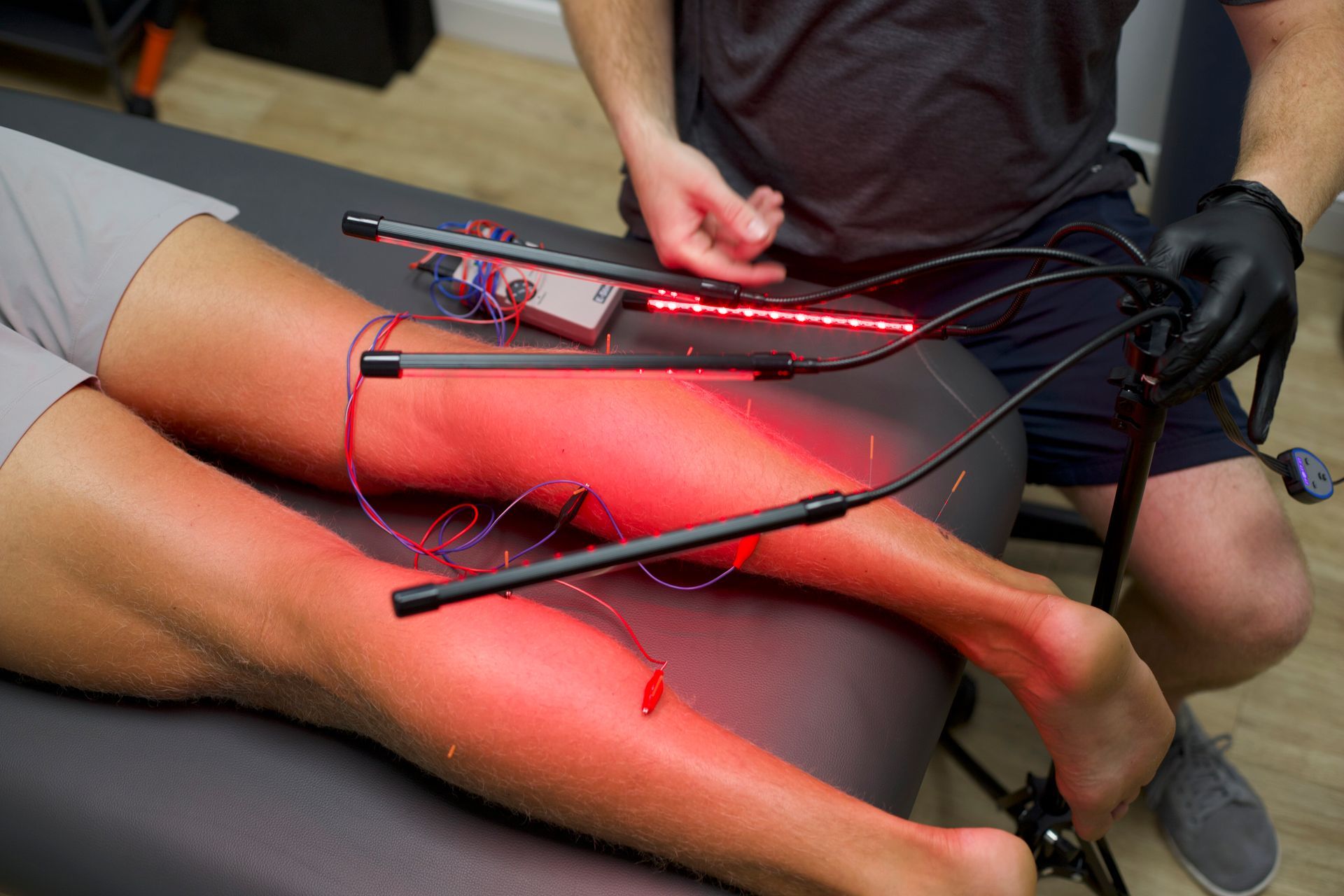
Compare dry needling and massage for muscle tightness and pain. Explore individualized care at Movement Driven in Jacksonville and St. Johns, FL.
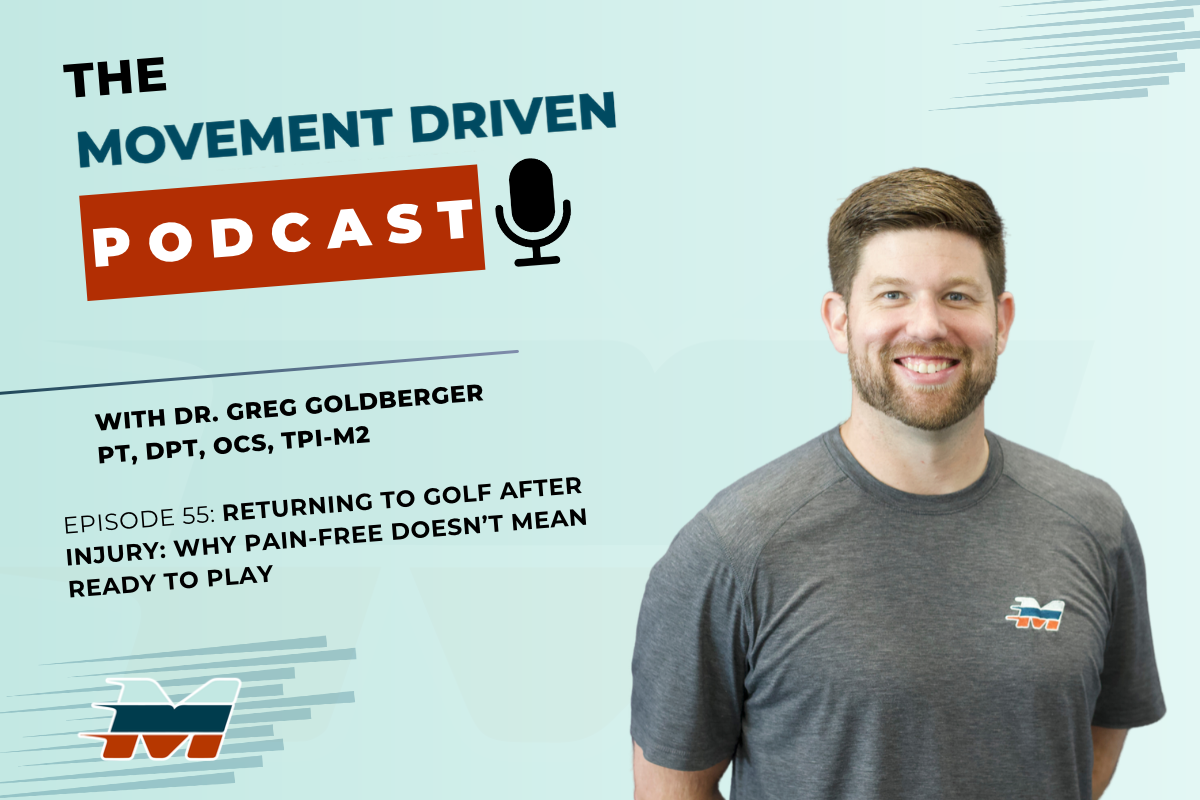
Learn how to return to golf after injury with Dr. Greg’s tips on pain, mobility, strength, TPI assessments, and rebuilding your swing safely.
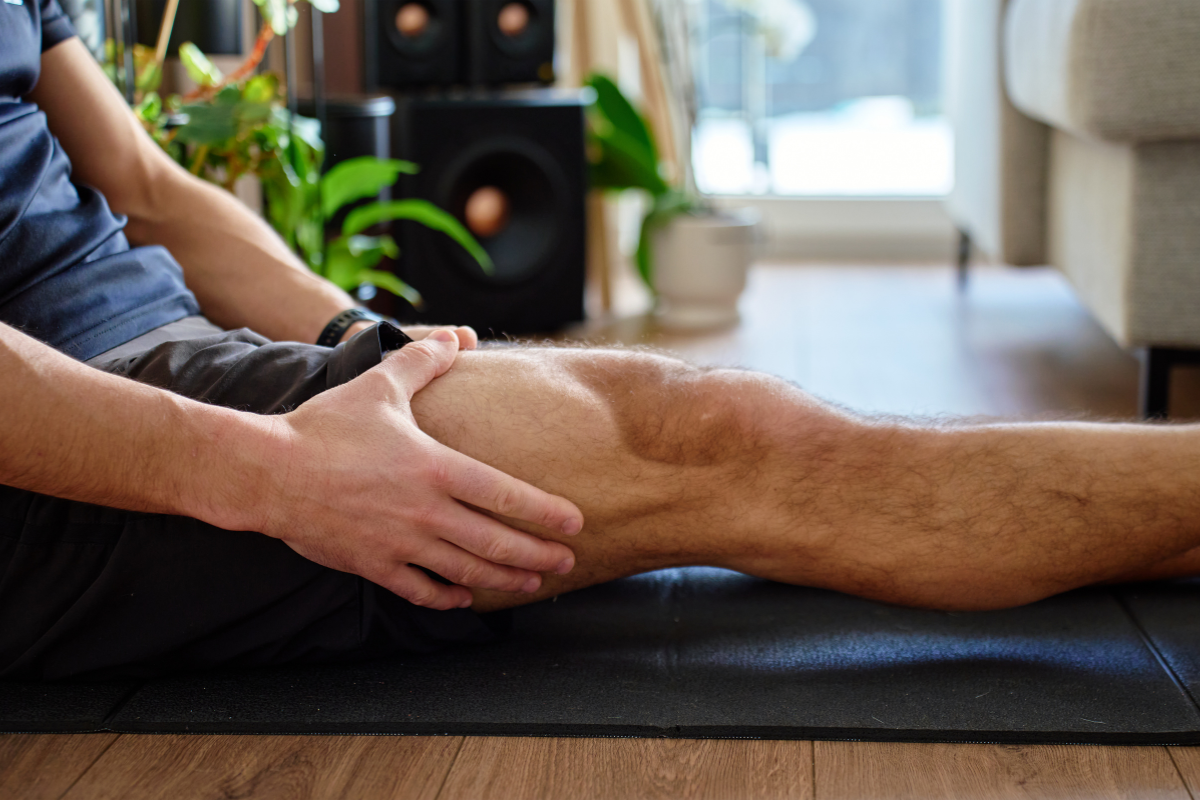
Not sure if it's normal soreness or something more? Movement Driven breaks down the signs that mean it's time to see a physical therapist.

Learn what the research actually says about safely increasing weekly mileage — and where the 10% rule falls short.

Movement Driven answers a common question from Jacksonville and St. Johns County parents. Here's what it actually checks for.
Learn the difference between tennis elbow and golfer’s elbow, common causes of elbow pain, and why treating the source matters with Dr. Greg Goldberger.

See the warm-up routine Movement Driven recommends to Jacksonville and St. Johns County golfers heading into fall golf season.
Does a rotator cuff tear mean surgery? Dr. Greg explains MRI findings, red flags, partial vs. full tears, and when physical therapy may help.

Two-a-days spike football injuries in Jacksonville and St. Johns County every fall. Learn what causes the surge and how youth and adult athletes can train through it safely.
Dr. Greg talks postpartum recovery, pelvic health myths, and functional medicine with Dr. Jenny Quartano, PT, DPT of All Together Wellness.