Dry Needling Jacksonville FL: What Conditions Does Dry Needling Actually Help?
A Science-Backed Guide to Trigger Point Therapy and When Dry Needling Is the Right Tool
What Is Dry Needling?
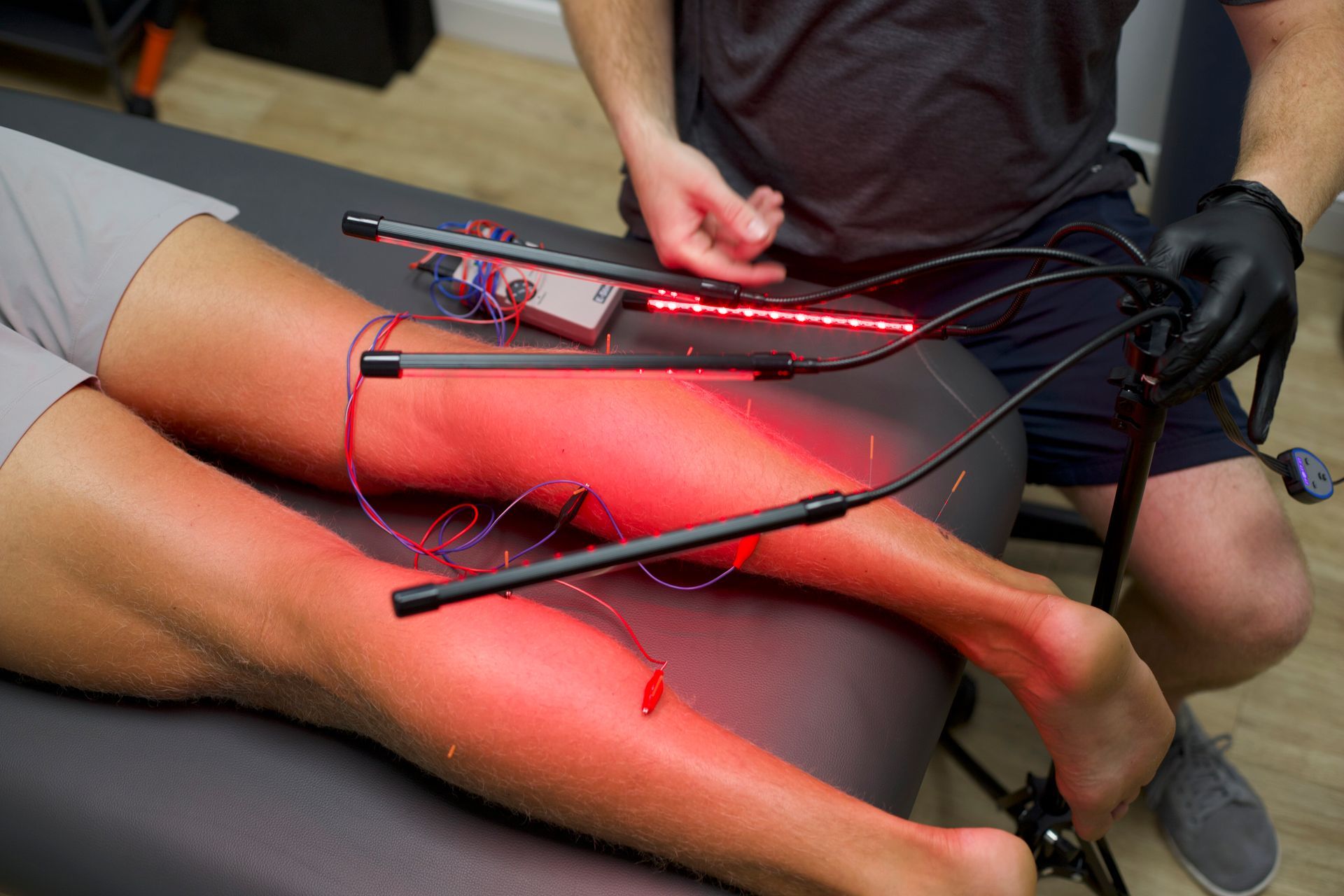
Dry needling is a technique performed by licensed physical therapists in which thin, solid filament needles are inserted into myofascial trigger points — those tight, tender knots in muscle tissue that cause localized pain and can even refer pain to other areas of the body.
Unlike acupuncture, which is rooted in traditional Chinese medicine and focuses on energy pathways, dry needling is grounded in Western anatomy and neuroscience. The American Physical Therapy Association recognizes dry needling as a skill within the scope of physical therapy practice, with its goal being to deactivate trigger points, reduce pain, improve muscle function, and accelerate the healing process.
At Movement Driven in Jacksonville and St. Johns, FL, dry needling is never used in isolation. It's one powerful tool within a larger, movement-focused treatment plan.
How Dry Needling Works
When a needle is inserted into a trigger point, it produces what is called a "local twitch response" — a brief, involuntary contraction of the muscle fiber. This response is actually a good sign. A systematic review and meta-analysis published in the Journal of Orthopaedic & Sports Physical Therapy found that dry needling performed by physical therapists is more effective than no treatment or sham needling for reducing pain in patients with musculoskeletal conditions.
The needle disrupts the dysfunctional electrical activity within the trigger point, restores normal muscle fiber function, and promotes blood flow and healing to the area. The result is a reduction in pain, improved range of motion, and better overall muscle performance. A separate systematic review indexed on PubMed confirms that dry needling is effective in the short term for pain relief, increased range of motion, and improved quality of life when compared to sham or placebo treatment.
Conditions That Respond Well to Dry Needling
Dry needling has been shown to be clinically effective for a wide range of musculoskeletal conditions. The most common include:
Neck Pain and Headaches
Trigger points in the upper trapezius, levator scapulae, and suboccipital muscles are among the most common contributors to chronic neck pain and tension headaches. Dry needling these areas can produce rapid, lasting relief.
Low Back Pain
Tight, overactive muscles in the lumbar spine, glutes, and hip flexors are major drivers of low back pain. Dry needling combined with corrective exercise is one of the most effective approaches for breaking this cycle.
Shoulder Pain and Rotator Cuff Issues
Whether the issue is impingement, tendinopathy, or post-surgical stiffness, dry needling helps restore normal muscle firing patterns and reduce pain so that strengthening work can be more effective.
Hip and IT Band Pain
Common in runners and athletes, trigger points in the TFL, glute medius, and IT band often respond quickly to dry needling, especially when combined with hip mobility and strength work.
Knee Pain
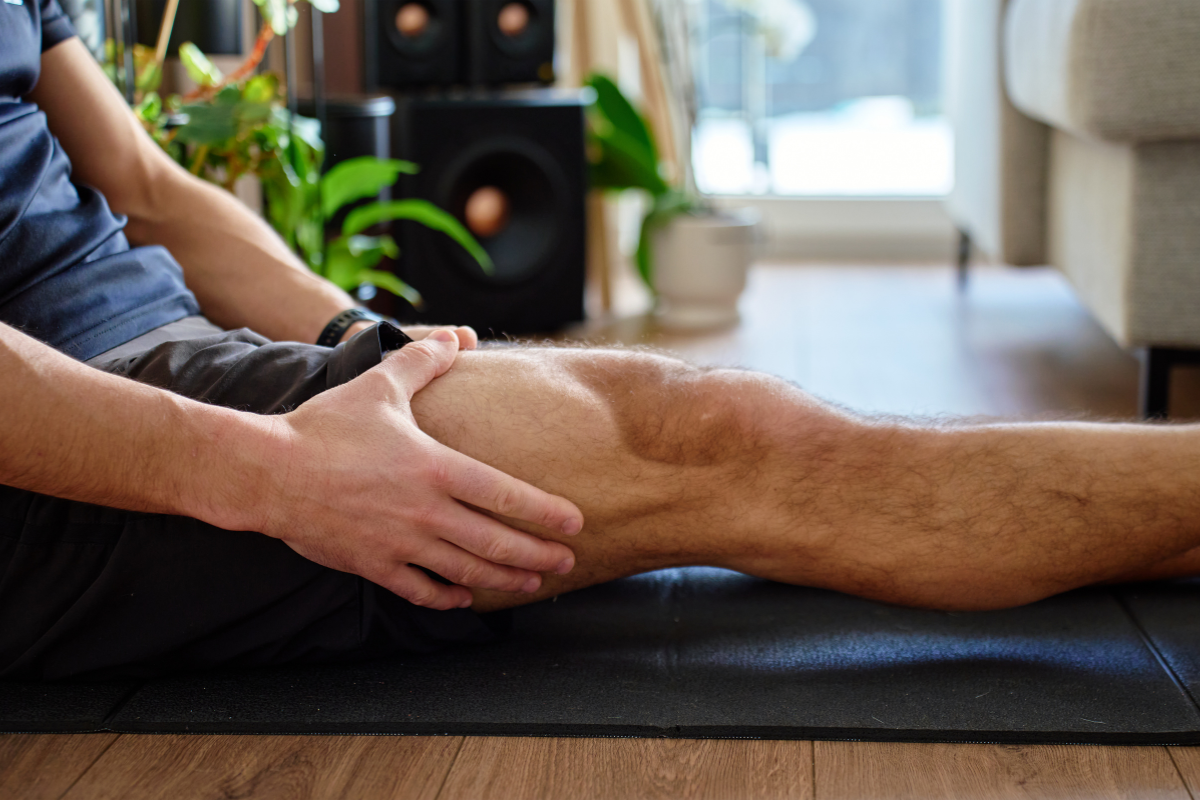
Patellar tendinopathy, quad tightness, and the muscle imbalances that contribute to knee pain can all be addressed effectively with dry needling as part of a comprehensive treatment plan.
Plantar Fasciitis and Foot Pain
Dry needling to the calf, intrinsic foot muscles, and plantar fascia can significantly reduce pain and improve walking and running mechanics.
TMJ and Jaw Pain
Trigger points in the masseter and pterygoid muscles are a frequent contributor to jaw pain, clicking, and headaches. Dry needling is a highly effective tool for this often-overlooked condition.
Is Dry Needling Safe?
When performed by a trained, licensed physical therapist, dry needling is very safe. At Movement Driven, all dry needling is performed by Doctors of Physical Therapy with advanced training in trigger point assessment and needling technique — consistent with the clinical standards supported by the APTA.
The most common side effects are mild soreness at the needle site and occasional bruising. These typically resolve within 24–48 hours and are often followed by significant improvement in pain and function.
Dry needling is not appropriate for everyone. Patients who are pregnant, on blood thinners, or have needle phobias should discuss their options with their therapist prior to treatment.
Dry Needling at Movement Driven: What to Expect
Every dry needling session at Movement Driven begins with a thorough assessment. We never just needle the area that hurts. We identify the true trigger points contributing to your symptoms — which may not always be where your pain is located.
Dry needling is then integrated into your broader treatment plan alongside manual therapy, movement assessment, and corrective exercise. This comprehensive approach is what separates Movement Driven from clinics that rely on passive treatments alone.
Movement Driven serves Jacksonville, St. Johns, Ponte Vedra, Orange Park, and surrounding Northeast Florida communities. Ready to find out if dry needling is right for you? Schedule an evaluation today or call us at 904-257-5765.