
Pain vs Discomfort: How to Tell the Difference Before It Turns Into an Injury
Greg Goldberger • January 13, 2026
Understanding what your body is telling you so you can train smarter and avoid unnecessary setbacks

One of the hardest skills for athletes to learn is knowing when to push and when to pause. Many injuries do not happen from one bad rep or one awkward step. They happen because early warning signs were ignored.
Understanding the difference between pain and discomfort can help you stay consistent, protect your body, and keep progressing without unnecessary setbacks.
Normal Training Sensations vs Red Flags
Discomfort is a normal part of training. Muscles working hard, lungs burning, and temporary fatigue are expected when you challenge your body.
Pain is different. Pain tends to be sharp, persistent, or progressively worse as training continues. It may change how you move or cause you to compensate without realizing it.
Red flags often include pain that lingers after workouts, pain that alters technique, or pain that shows up earlier and earlier in each session.
Why Athletes Ignore Early Warning Signs
Most athletes ignore early symptoms because they feel manageable at first. Training culture often rewards pushing through discomfort, especially in group fitness settings and competitive environments.
There is also a belief that stopping means losing progress. In reality, ignoring warning signs often leads to longer setbacks that interrupt training far more than a short adjustment would.
Delayed Onset Muscle Soreness vs Injury Pain
Delayed onset muscle soreness usually appears 24 to 48 hours after a workout. It feels like stiffness or tenderness and improves with light movement and time.
Injury pain tends to be more specific. It may feel sharp, deep, or unstable. It often does not improve with movement and may worsen over several days.
Soreness fades. Injury pain tends to stick around or spread.
What “Good Pain” Actually Is and Is Not
There is no such thing as good pain. There is productive discomfort, but pain is information.
Productive discomfort feels temporary and predictable. Pain feels alarming, persistent, or limiting.
If a sensation causes you to change how you move, brace excessively, or avoid certain positions, it is no longer productive.
When Modifying Training Is the Smarter Move
Modifying training does not mean stopping. It means adjusting volume, intensity, or movement selection to allow your body to adapt safely.
Smart athletes modify early so they can stay consistent. Waiting until pain forces rest often leads to longer recovery times and frustration.
The goal is not to train less. The goal is to train in a way that keeps you healthy enough to train tomorrow.
Listening Early Leads to Better Performance
Your body gives feedback long before a true injury occurs. Learning how to interpret that feedback is one of the most valuable skills an athlete can develop.
Recognizing the difference between discomfort and pain allows you to make better decisions, stay consistent, and protect your long term performance.
If you are unsure what your symptoms mean, getting a professional movement assessment can provide clarity and prevent small issues from becoming bigger problems.
Training smarter today keeps you in the game longer.
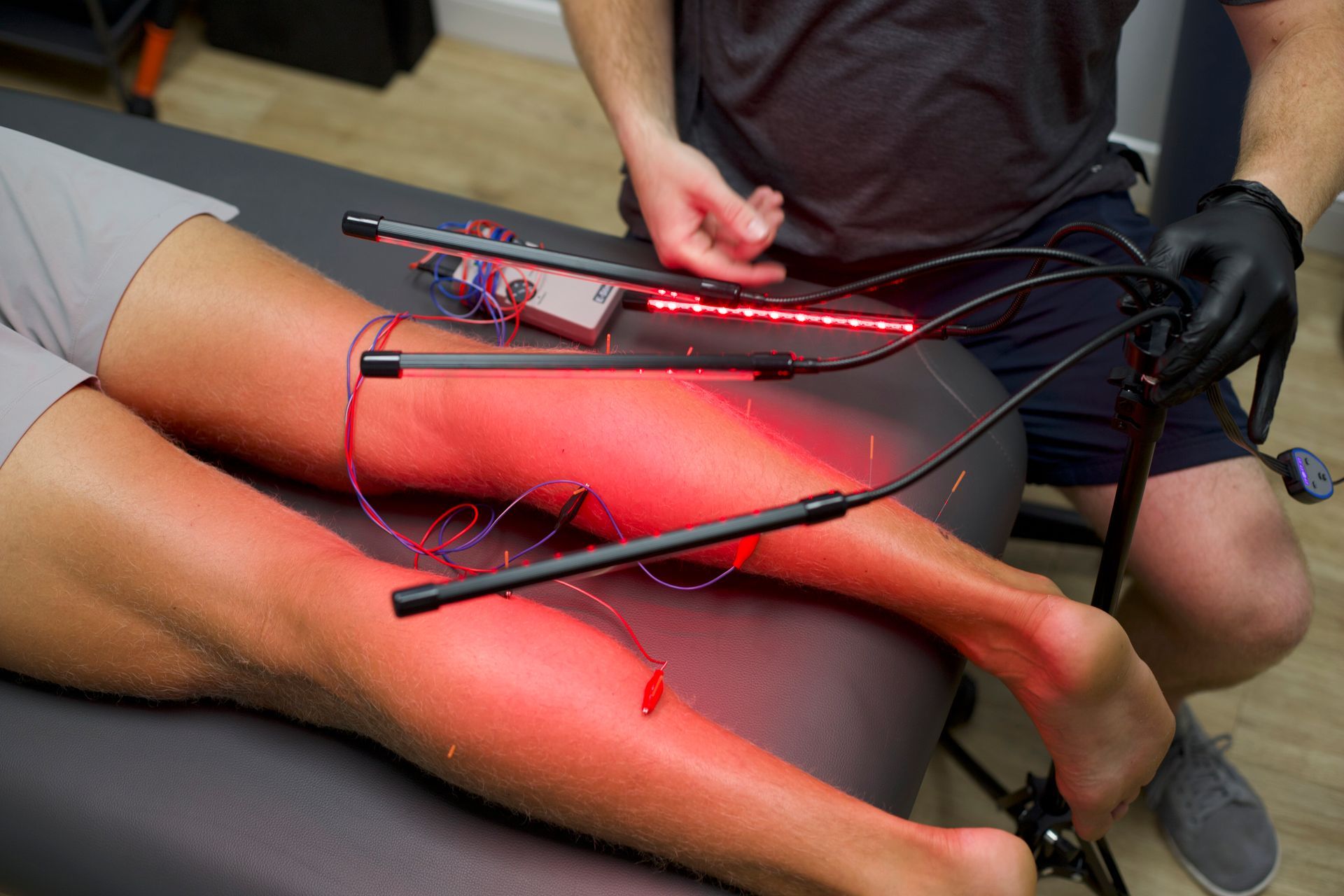
Compare dry needling and massage for muscle tightness and pain. Explore individualized care at Movement Driven in Jacksonville and St. Johns, FL.
Learn how to return to golf after injury with Dr. Greg’s tips on pain, mobility, strength, TPI assessments, and rebuilding your swing safely.
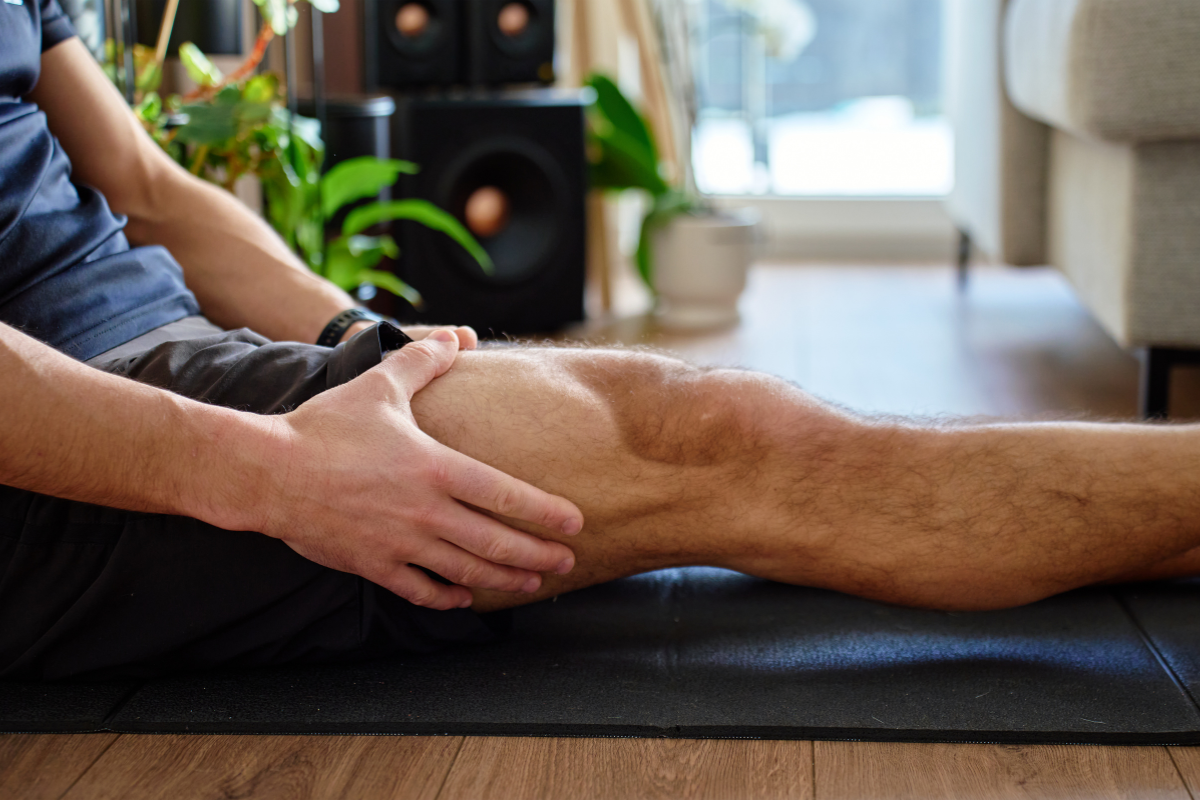
Not sure if it's normal soreness or something more? Movement Driven breaks down the signs that mean it's time to see a physical therapist.

Learn what the research actually says about safely increasing weekly mileage — and where the 10% rule falls short.

Movement Driven answers a common question from Jacksonville and St. Johns County parents. Here's what it actually checks for.
Learn the difference between tennis elbow and golfer’s elbow, common causes of elbow pain, and why treating the source matters with Dr. Greg Goldberger.

See the warm-up routine Movement Driven recommends to Jacksonville and St. Johns County golfers heading into fall golf season.
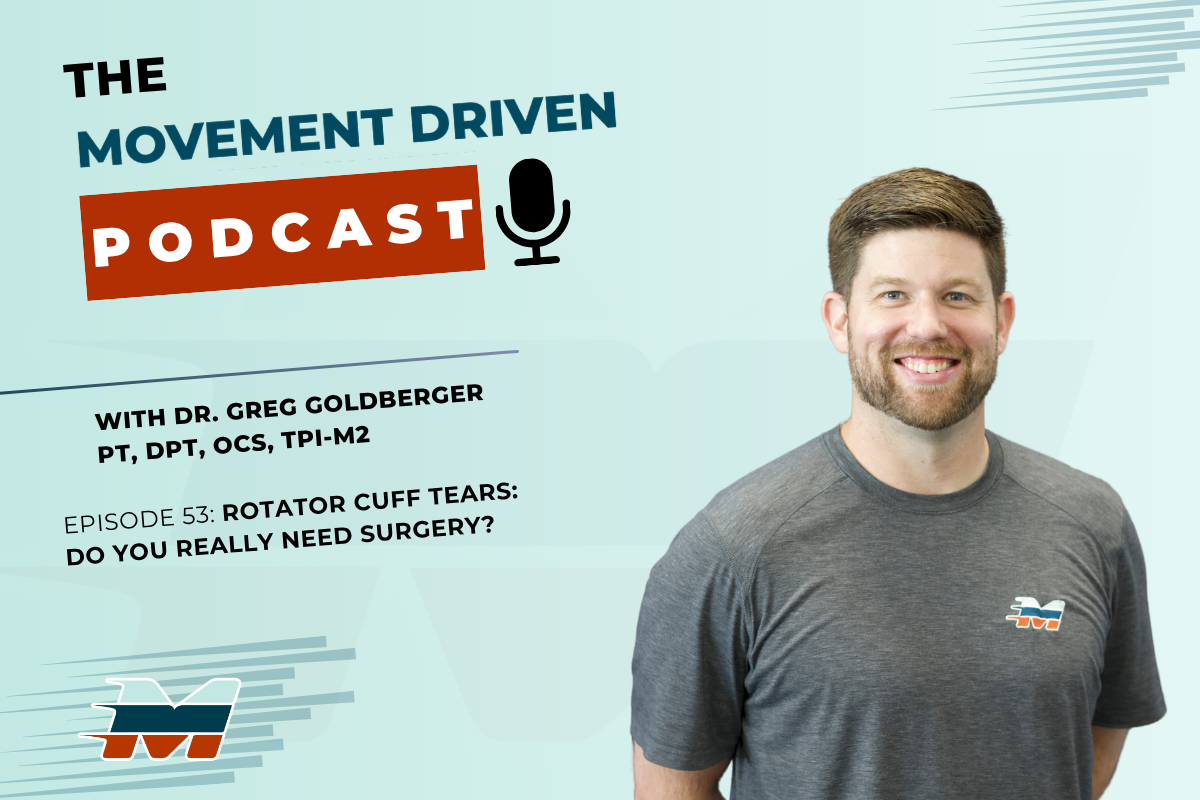
Does a rotator cuff tear mean surgery? Dr. Greg explains MRI findings, red flags, partial vs. full tears, and when physical therapy may help.

Two-a-days spike football injuries in Jacksonville and St. Johns County every fall. Learn what causes the surge and how youth and adult athletes can train through it safely.
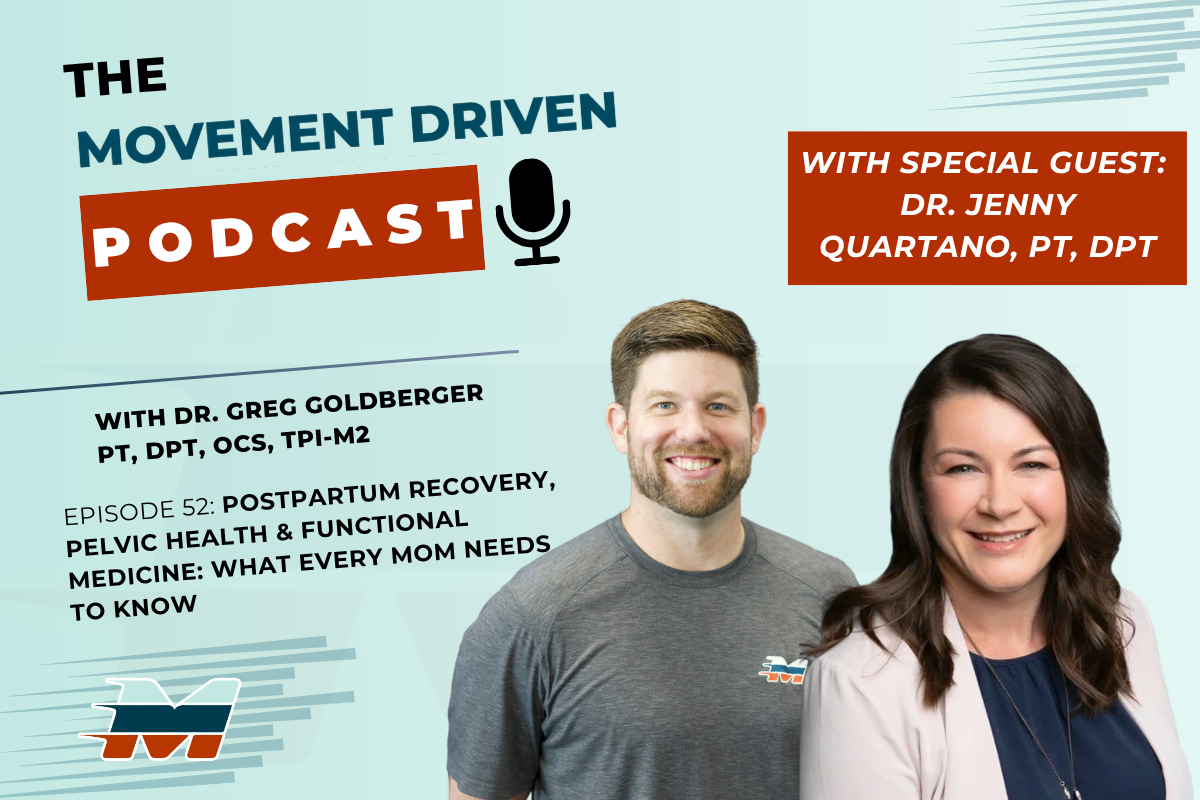
Dr. Greg talks postpartum recovery, pelvic health myths, and functional medicine with Dr. Jenny Quartano, PT, DPT of All Together Wellness.