
Why January Is the Most Dangerous Month for Training Injuries: And How to Avoid Them
Greg Goldberger • January 6, 2026
Why cold weather, stress, and sudden training changes lead to more injuries and what you can do to stay healthy

January is one of the most motivating times of year to train. New goals, fresh schedules, and renewed discipline push people back into gyms, onto running paths, and onto courts and fields. Unfortunately, it is also one of the most common months for injuries to show up.
At Movement Driven, we see a consistent pattern every year. Athletes do not get hurt because they are doing something wrong. They get hurt because their bodies are not fully prepared for the sudden change in demand.
This article breaks down why January carries a higher injury risk and how you can reduce that risk before pain forces you to slow down.
Seasonal Factors That Increase Injury Risk
Winter changes more than just the temperature. It changes how your body moves, recovers, and adapts to training.
Cold weather reduces tissue elasticity, meaning muscles and tendons do not tolerate sudden load as well. Daily movement often drops, especially outside structured workouts. Shorter daylight hours and packed schedules can also reduce warm up time and recovery habits.
These factors combine to create a situation where your body is asked to perform at a higher level while being less physically ready to handle it.
How Stress, Sleep, and Schedule Changes Affect Tissue Tolerance
January is not just a physical reset. It is a mental one.
Returning to work routines, family schedules, and new commitments increases stress levels. Stress affects recovery by altering hormone balance, reducing sleep quality, and limiting how well tissues repair between sessions.
When sleep is inconsistent or recovery is rushed, your muscles, joints, and connective tissue have a lower tolerance for load. That means movements that once felt easy can now push you closer to injury without obvious warning signs.
Why Familiar Movements Still Cause Injury
One of the most surprising things athletes experience in January is getting hurt doing exercises they have done for years.
The reason is not the movement itself. It is the sudden increase in volume, intensity, or frequency layered on top of reduced tissue readiness.
Your body adapts specifically to what it has been doing recently. Time away from training, even just a few weeks, lowers your capacity. Jumping back into familiar workouts at full speed does not give tissues time to rebuild that tolerance.
Active vs Prepared: Why There Is a Difference
Many people assume that staying active means they are prepared for training. These are not the same thing.
Being active means you move regularly. Being prepared means your joints, muscles, and nervous system can handle the specific demands of your sport or training style.
Preparedness includes joint control, movement efficiency, and tissue resilience. Without these, even high levels of general fitness can mask underlying risk until pain appears.
Practical Ways to Reduce Injury Risk Before Pain Starts
You do not need to train less to stay healthy in January. You need to train smarter.
Focus on gradually rebuilding volume and intensity instead of jumping straight back to peak levels. Pay attention to how your body responds 24 to 48 hours after training, not just how you feel during it.
Build in movement that supports your training, not just more training itself. This includes mobility, joint control work, and recovery strategies that match your workload.
Most importantly, address small aches early. Pain that is ignored tends to move, spread, or worsen over time. Pain that is assessed early is easier to resolve and less disruptive to your goals.
A Smarter Start Sets the Tone for the Year
January does not have to be a high risk month. It can be the foundation for a strong, consistent year of training.
Understanding how seasonal factors, stress, and preparation affect your body allows you to train with intention instead of reacting to injuries after they appear.
If you want help identifying your personal risk factors or understanding how to build durability into your training, a professional movement assessment can provide clarity before pain forces you to slow down.
Strong years start with smart decisions.
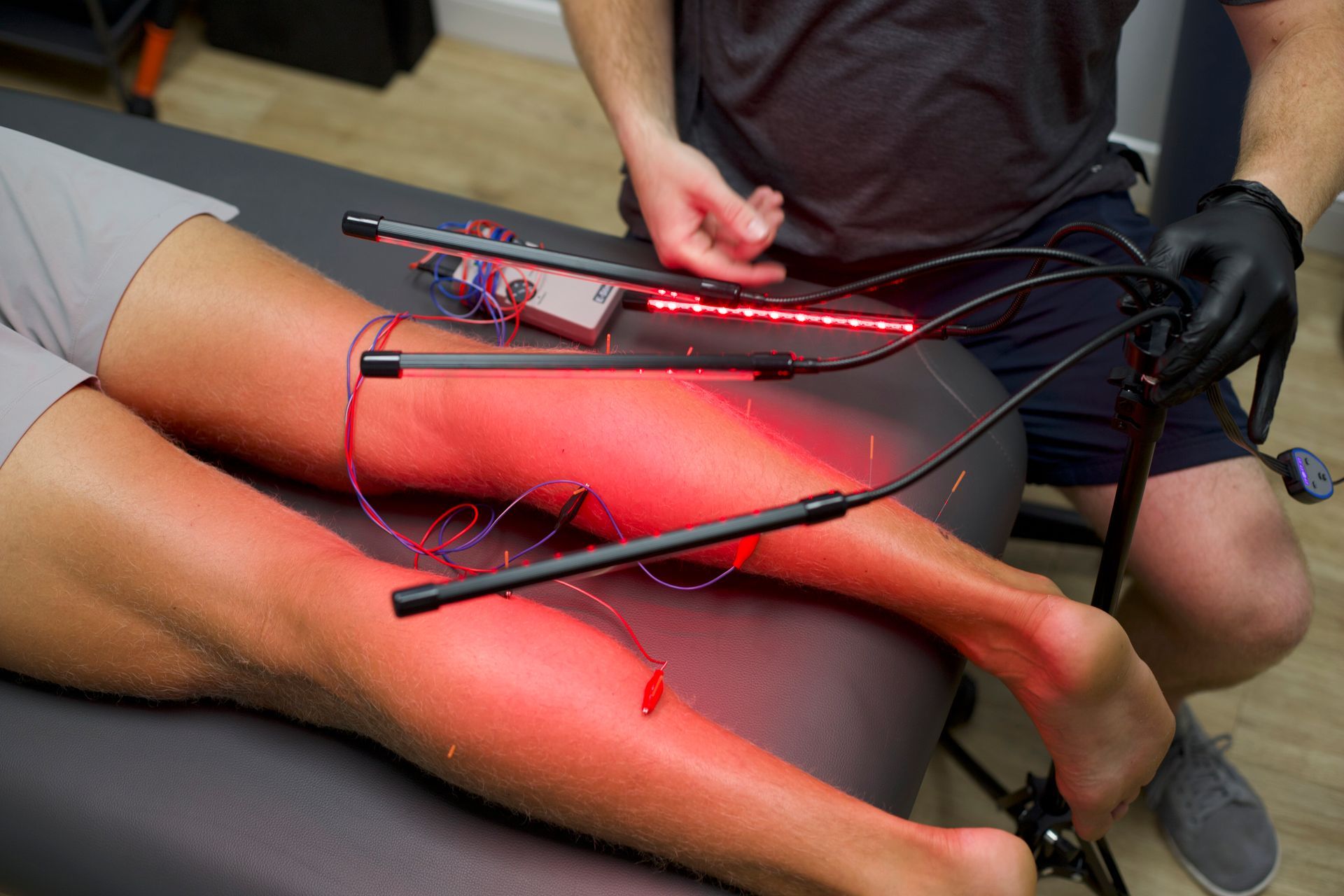
Compare dry needling and massage for muscle tightness and pain. Explore individualized care at Movement Driven in Jacksonville and St. Johns, FL.
Learn how to return to golf after injury with Dr. Greg’s tips on pain, mobility, strength, TPI assessments, and rebuilding your swing safely.
Not sure if it's normal soreness or something more? Movement Driven breaks down the signs that mean it's time to see a physical therapist.

Learn what the research actually says about safely increasing weekly mileage — and where the 10% rule falls short.

Movement Driven answers a common question from Jacksonville and St. Johns County parents. Here's what it actually checks for.
Learn the difference between tennis elbow and golfer’s elbow, common causes of elbow pain, and why treating the source matters with Dr. Greg Goldberger.

See the warm-up routine Movement Driven recommends to Jacksonville and St. Johns County golfers heading into fall golf season.
Does a rotator cuff tear mean surgery? Dr. Greg explains MRI findings, red flags, partial vs. full tears, and when physical therapy may help.

Two-a-days spike football injuries in Jacksonville and St. Johns County every fall. Learn what causes the surge and how youth and adult athletes can train through it safely.
Dr. Greg talks postpartum recovery, pelvic health myths, and functional medicine with Dr. Jenny Quartano, PT, DPT of All Together Wellness.