Avoiding Surgery: A Real Patient's Recovery Story
Dr. Greg shares the story of a patient told she'd never lift her arm overhead again — and what actually turned her recovery around.
In this episode of the Movement Driven Podcast, Dr. Greg shares one of the patient stories that reminds him why he does this work: a woman who was told by her doctor that without surgery, she'd never regain full use of her shoulder — and who proved that wrong.
A Diagnosis That Almost Became a Life Sentence
After a car accident, this patient was dealing with months of neck and shoulder pain. She'd already tried physical therapy elsewhere, chiropractic care, and massage, with little relief. Her doctor told her the pain wouldn't resolve without surgery, and that she'd likely never lift her arm overhead again. She found Movement Driven through a referral, and came in without high expectations, having already tried so much.
Treating the Whole Picture, Not Just the Diagnosis
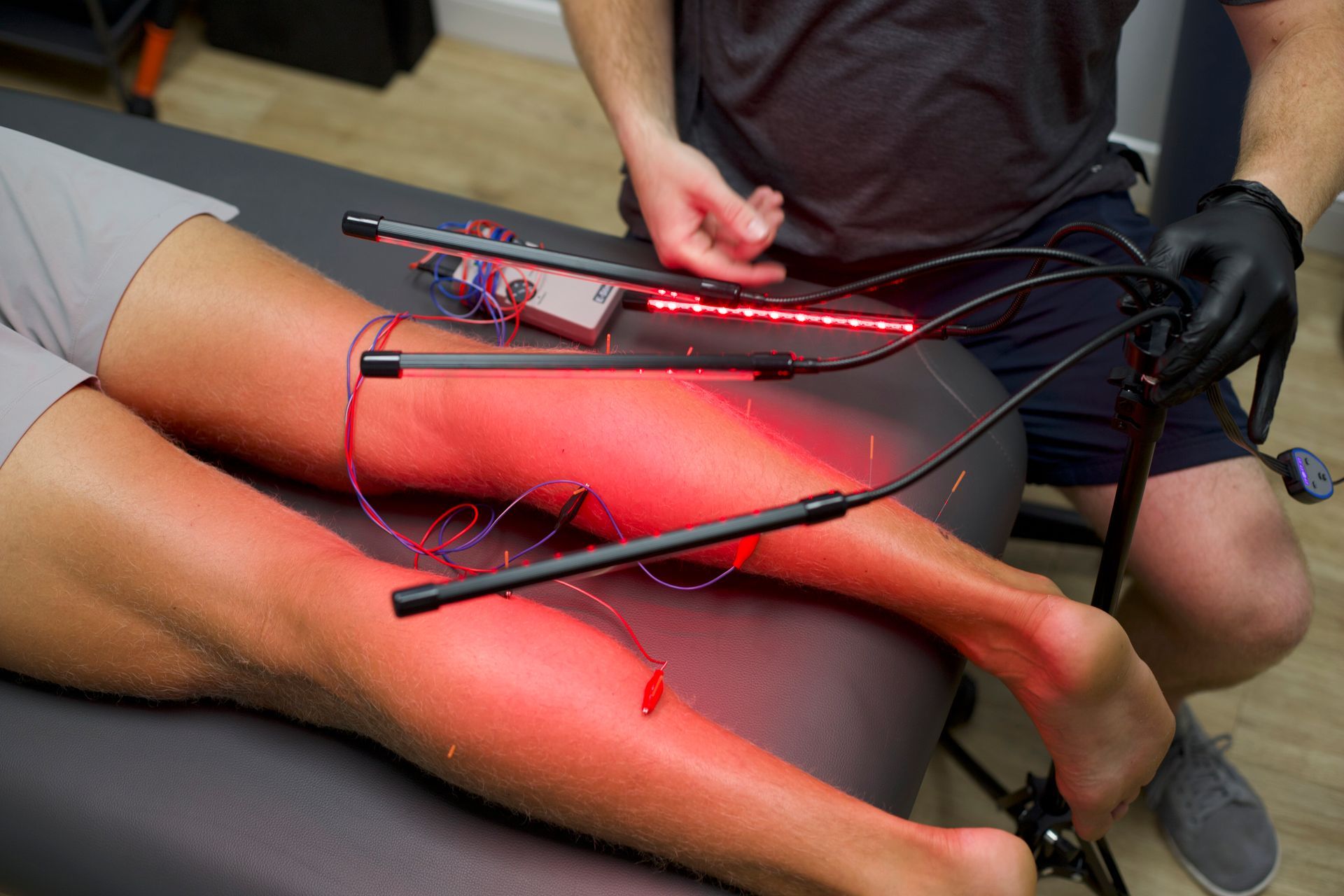
Dr. Greg explains that a big part of what changed her outcome was refusing to treat her as a single diagnosis. While her pain showed up in her shoulder, he suspected much of it was actually originating from her neck and the surrounding muscles that weren't firing correctly. Using dry needling and targeted strength work, he addressed the underlying dysfunction rather than just the location of the pain — and within days, she noticed a difference.
Why the Insurance Model Gets in the Way
Dr. Greg gets candid about how the insurance-driven approach to PT often prevents clinicians from treating patients this way. When a diagnosis code doesn't match the treatment approach, providers can face pushback for exercises that don't appear to directly address the stated problem — even when the underlying reasoning is sound. As a cash-based practice, Movement Driven isn't boxed in by that constraint, which allows for more comprehensive, individualized care.
What "You'll Never Get Better" Does to a Patient
One of the more pointed parts of this conversation is Dr. Greg's frustration with how some providers deliver difficult news. He draws a clear line between being honest about a prognosis and taking away a patient's hope entirely — especially when that patient goes on to prove the prediction wrong. As he puts it, belief plays a real role in recovery, and providers carry real responsibility in how they frame what's possible.
The Role of Follow-Through Between Visits
Dr. Greg also touches on why patient consistency outside the clinic makes such a measurable difference in recovery timelines. Patients who follow through on their home exercise program tend to see faster, more consistent progress — and accountability is part of what he sees as his job as a clinician.
Dr. Greg's Takeaways from This Patient's Recovery
- A diagnosis doesn't tell the whole story — treating the underlying dysfunction matters more than treating the label.
- Comprehensive care, including manual therapy techniques like dry needling paired with strength work, can address root causes that isolated treatments miss.
- How a provider delivers a prognosis matters — hope and belief are part of the recovery process.
- Consistency with home exercises between visits is one of the biggest factors in how quickly patients improve.
The Bottom Line
This patient's recovery is a reminder that a scary diagnosis isn't always the full picture. With the right strategy, comprehensive care, and a patient willing to put in the work, outcomes that once seemed off the table can become very real.
If you've been told surgery is your only option, or you feel stuck with the results you've gotten elsewhere, book a free Discovery Call with Dr. Greg. He sees patients at both the Jacksonville and St. Johns locations. Visit movementdriven.com or call 904-257-5765 to get started.
🎧 Listen to the full episode on Spotify, Apple Podcasts, or YouTube.