Fall Sports Injury Prevention in Jacksonville
Football two-a-days, golf season, and fall race training all ramp up at once — here's how to get through it without ending up on the sidelines.
Every September, something predictable happens across Jacksonville and St. Johns County: youth football moves into full contact, adult rec leagues start back up, golf season ramps up as the heat finally breaks, and local runners begin building toward fall races. And every September, physical therapy clinics see the same predictable spike in new patients.
It's not a coincidence. Three high-demand activities are hitting their training peak at the same time, and most athletes — youth and adult alike — are still operating on summer's more relaxed schedule when the volume and intensity suddenly increase.
Why Fall Is a High-Risk Season
The common thread across football, golf, and running injuries this time of year isn't bad luck — it's a mismatch between what the body has been doing and what it's suddenly being asked to do. A body that spent the summer at a lower training load doesn't magically have the tissue capacity to handle two-a-day practices, four rounds of golf a week, or a jump in weekly mileage. That gap between demand and capacity is where injuries live.
This is true whether you're a high schooler heading into two-a-days, a weekend golfer finally getting back on the course after a slow summer, or a runner building toward a fall half marathon. The sports are different, but the underlying risk factor — a sudden increase in load without the tissue readiness to match it — is the same.
What This Means for Football, Golf, and Running Athletes
Football athletes, youth and adult, face the sharpest jump in training demand of any fall sport. Two-a-days compress a season's worth of conditioning into a couple of intense weeks, and that's exactly when overuse and soft-tissue injuries spike.
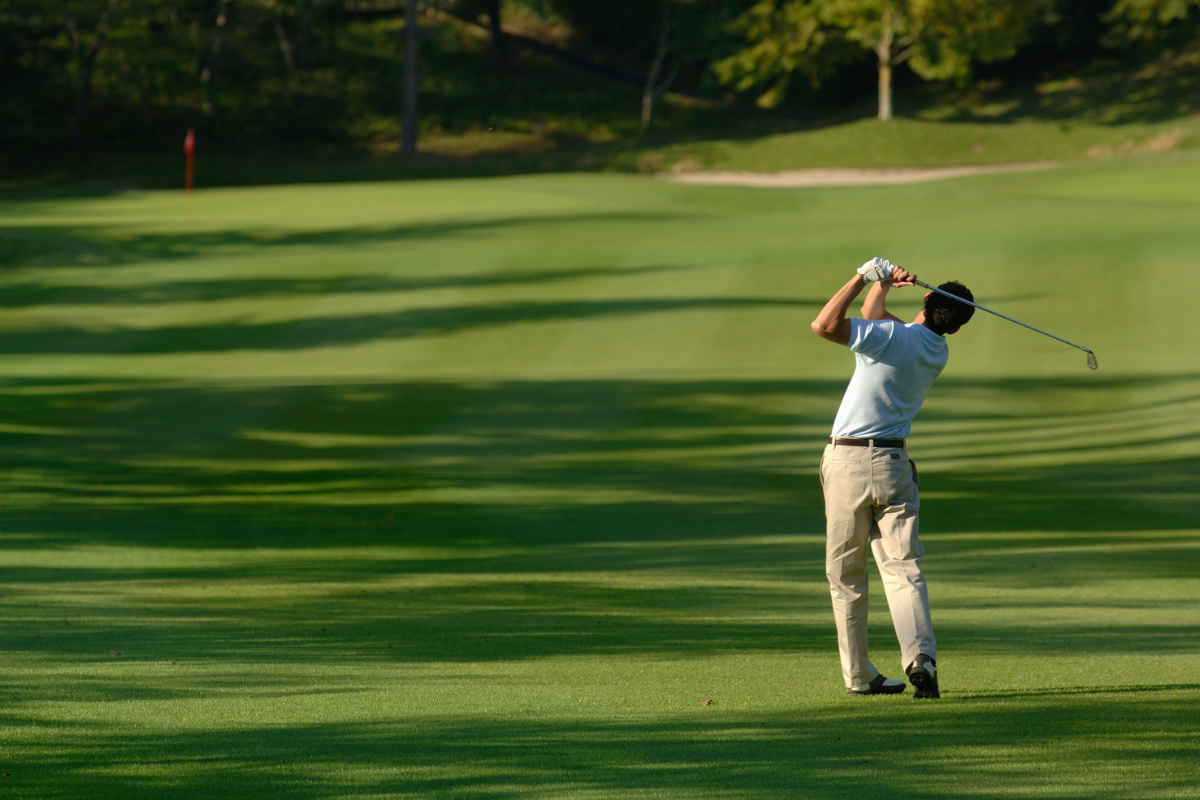
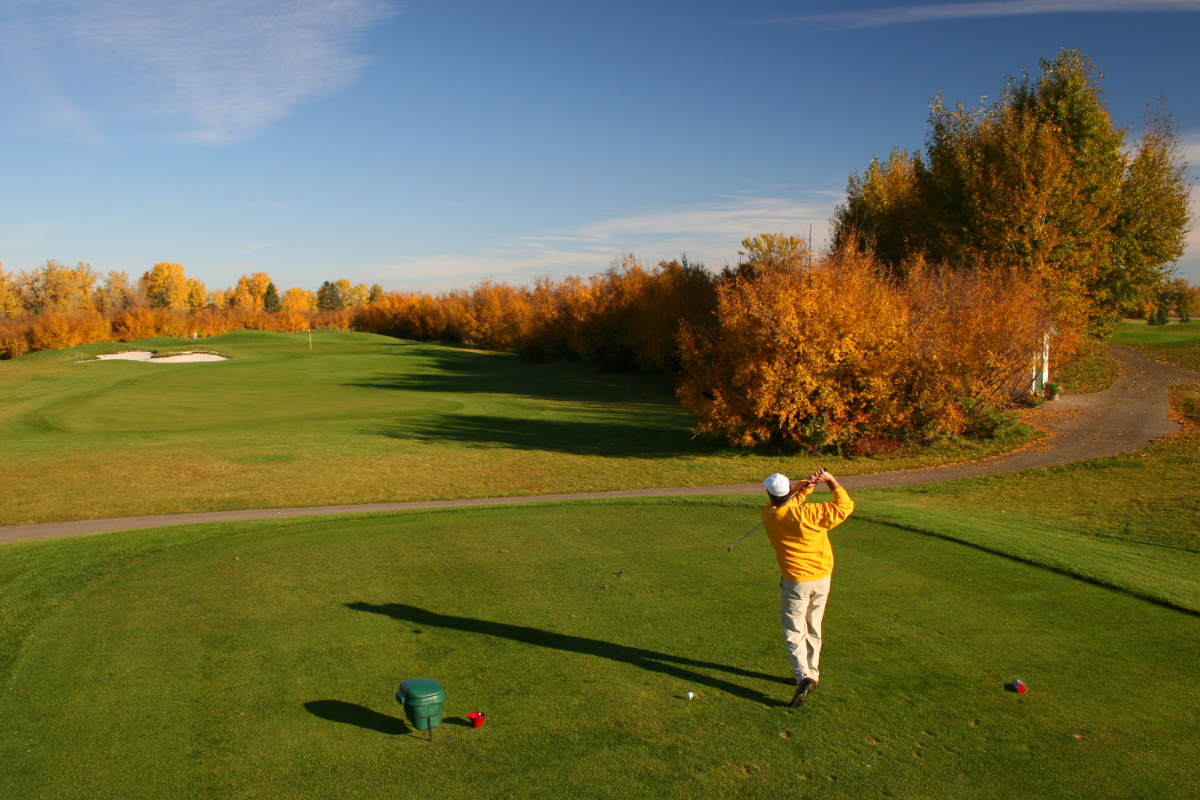
Golf injuries tend to follow a different pattern — less about sudden trauma and more about the repetitive, asymmetric stress of the swing on the elbow, shoulder, and lower back, especially once golfers start playing more rounds per week as the weather cools.
Running injuries in the fall are almost always tied to one thing: a training plan that increases mileage faster than the body's connective tissue can adapt, particularly as local runners start ramping up for fall race season.
A Performance-First Approach to the Season
At Movement Driven, we don't think about fall sports season as something to just survive — we think about it as a training block that should be prepared for, the same way an athlete prepares for a specific event. That means looking at strength, movement quality, and tissue capacity before symptoms show up, not just treating pain after the fact.
Over the next several weeks, we're publishing a full series on fall sports readiness — covering football injury prevention during two-a-days, a proper golf warm-up routine, how to safely increase running mileage, how to tell the difference between normal soreness and a real injury, and what a pre-season movement screen actually looks like for high school athletes.
Whether you're a parent trying to keep a young athlete healthy through the season, a weekend golfer trying to play pain-free, or a runner chasing a fall PR, the goal is the same: build the capacity to handle the season before it forces the issue.
If you're already feeling something nagging — a tight shoulder, a sore elbow, a knee that talks to you on longer runs — don't wait for it to get worse. Physical therapy has become one of the movement-focused specialties supporting athletes at every level of sport, and getting ahead of a small issue is almost always easier than rehabbing a big one.
Ready to head into fall sports season with a plan instead of a wait-and-see approach?
Book a Discovery Call with Movement Driven and let's talk about what your training block should look like.