Training for a Fall Race in Jacksonville? 5 Running Injuries You Shouldn’t Ignore
A guide for Jacksonville and St. Johns runners to recurring pain, warning signs, and a more informed return to training.
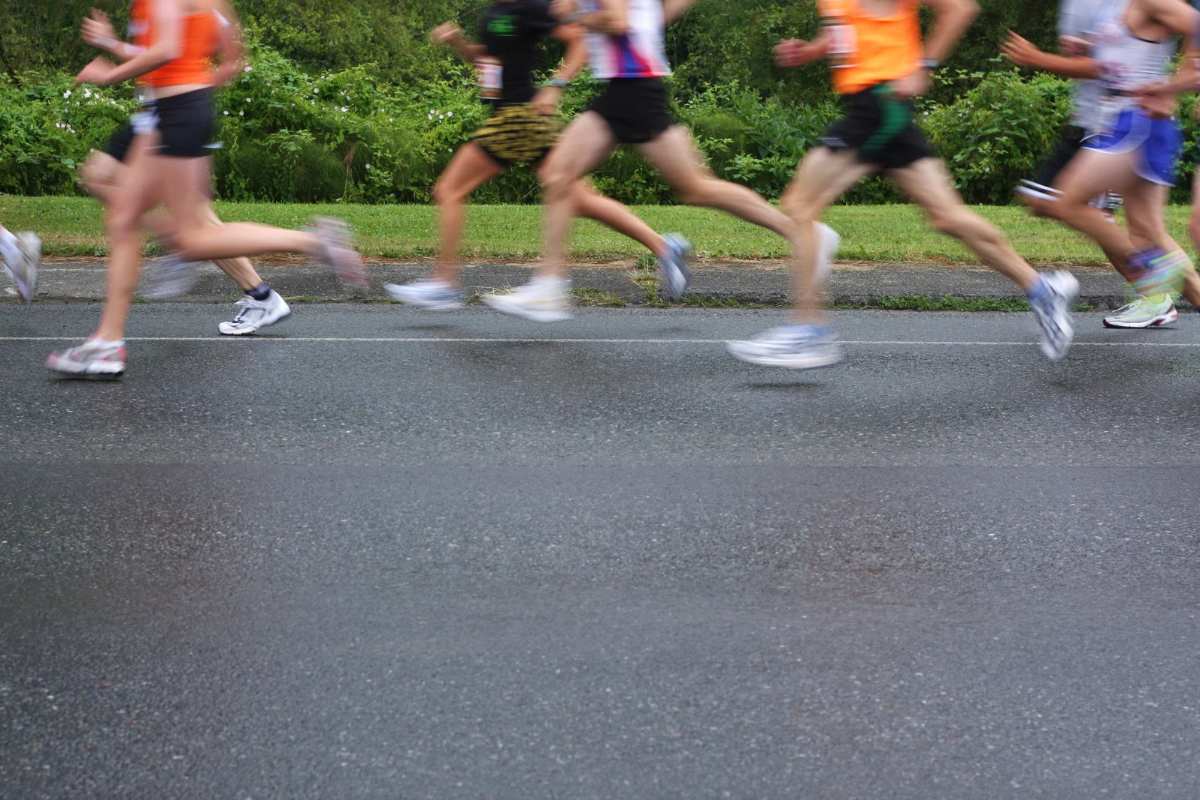
Fall race training brings a fresh goal: a first 5K, a faster half marathon, or simply feeling stronger on weekend runs. For runners across Jacksonville, St. Johns, and Northeast Florida, that motivation can also mean adding miles or speed before the body is ready.
Some soreness settles with recovery. Pain that keeps returning, changes your stride, or starts limiting everyday activities deserves closer attention. You do not need to wait until you cannot run to ask for help. Here are five common running-related problems and the signs that warrant an evaluation.
1. Runner’s knee: pain around the kneecap
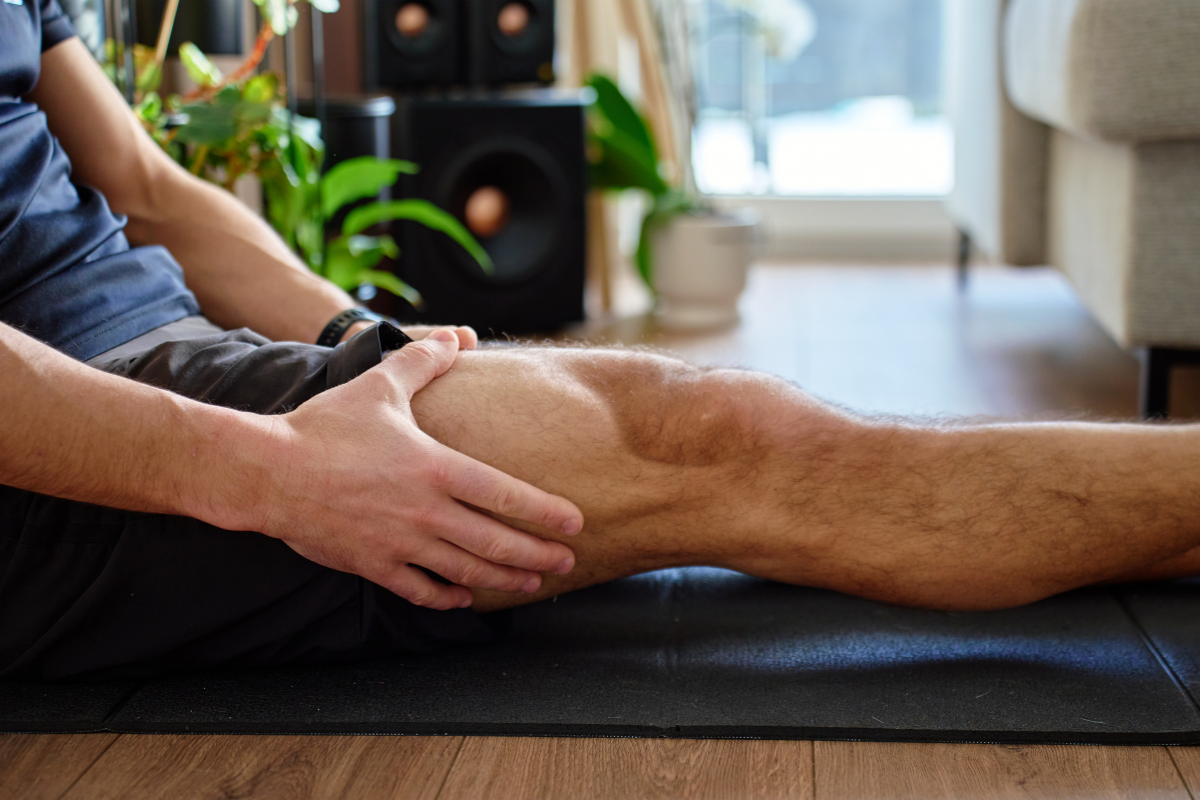
An ache at the front of the knee, especially during running, stairs, or squats, may be patellofemoral pain, often called runner’s knee. The American Academy of Orthopaedic Surgeons explains that changes in activity and problems with kneecap tracking can contribute to patellofemoral pain.
Pay attention when the same knee hurts on successive runs or you start shortening your stride to avoid discomfort. Simply adding more stretching may not address the problem. An assessment can help determine whether changes to training, hip and knee strengthening, or other treatment are appropriate. Pain location alone cannot confirm a diagnosis.
2. IT band pain: discomfort outside the knee
Pain along the outside of the knee that appears partway through a run can fit the pattern of iliotibial band syndrome. The IT band is a thick band of connective tissue along the outer thigh. According to the American Physical Therapy Association’s IT band syndrome guide, a physical therapist may assess strength, mobility, and walking or running mechanics.
If the discomfort returns at a predictable distance, avoid repeatedly testing how far you can push through it. Note when it starts and whether your routes, mileage, or pace have changed. That information can help guide an individualized plan instead of relying only on foam rolling.
3. Achilles or calf pain: stiffness that keeps returning
The Achilles tendon connects the calf muscles to the heel. Pain near the back of the ankle, morning stiffness, or symptoms after increasing training can suggest Achilles tendinopathy. AAOS describes increased activity and tight calf muscles among contributors to Achilles problems.
Calf pain can also come from a muscle injury, so the same exercise is not right for every runner. Persistent symptoms deserve assessment and a tailored progression of loading. A sudden pop with difficulty pushing off or walking needs prompt medical evaluation. New calf swelling, warmth, or redness also requires medical assessment, rather than assuming it is a running strain.
4. Plantar fasciitis: heel pain with the first steps
Pain under the heel with your first steps out of bed or after sitting can be a sign of plantar fasciitis. The plantar fascia supports the arch of the foot. AAOS’s plantar fasciitis overview explains this common symptom pattern and notes that other conditions can also cause heel pain.
Do not assume the issue is resolved because it eases after warming up. If those painful first steps keep returning, or discomfort changes how you walk, have it checked. Care may involve adjusting activity, reviewing footwear, and selecting exercises based on your foot and ankle findings.
5. Hip pain: an ache that changes your stride
Running-related hip pain can involve muscles, tendons, the joint, or pain referred from elsewhere. A sore outer hip and deep groin pain may have different causes, which is why guessing from an online symptom list can be misleading.
Deep hip or groin pain that worsens with weight-bearing, produces a limp, or persists at rest deserves prompt medical evaluation. Bone stress injuries are one possibility that needs to be considered. AAOS’s stress fracture guide explains how repetitive loading can exceed the bone’s ability to recover. Avoid running through these symptoms while waiting to see whether they disappear.
Physical therapy for runners in Jacksonville and St. Johns
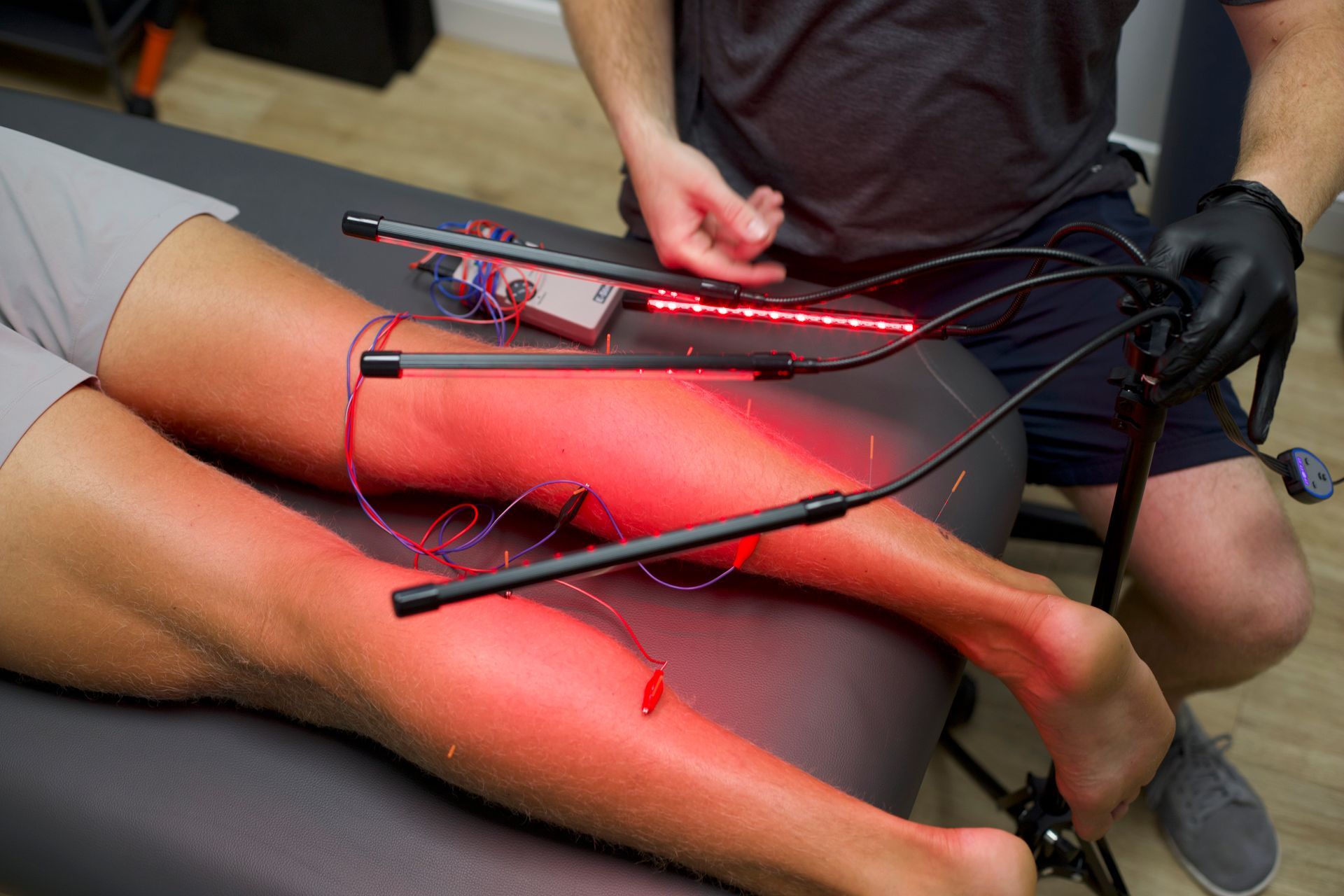
An evaluation looks beyond the painful spot. Your recent training, recovery, strength, mobility, and movement patterns can all inform the next step. Depending on the findings, care may include an adjusted running schedule, progressive strengthening, sports rehabilitation, and hands-on treatment. Some symptoms require referral for further medical assessment.
Movement Driven Performance Physiotherapy provides one-on-one care in Jacksonville and St. Johns, FL, with treatment tailored to your needs and goals. If you are looking for running physical therapy in St. Johns or support for a running injury in Jacksonville, the aim is to understand what is limiting you and build a realistic plan for returning to activity.
Take the next step before race day
Movement Driven’s Oct 17 injury screenings with Galloway Running offer an opportunity to discuss concerns about your training. Contact the team for screening details. A screening can help identify next steps, but it does not replace a full evaluation or clear you to race.
Visit Movement Driven to learn more or schedule an evaluation in Jacksonville or St. Johns. Bring your race goal and a brief record of when symptoms occur so you can make an informed decision about your next run.