Dry Needling vs. Massage: Which Is Better for Muscle Tightness and Pain?
How Jacksonville and St. Johns residents can choose care based on their symptoms, goals, and comfort.
A tight shoulder after desk work. A calf that feels tense after running. An aching back that keeps interrupting your golf game. When discomfort lingers, it is natural to wonder whether massage or dry needling would help.
For people considering dry needling in Jacksonville, FL, or St. Johns, FL, the answer starts with understanding the symptoms. Both approaches may have a role in care, but neither is automatically the best choice for every person. The cause of the pain, your health history, and what you want to return to doing all matter.
What does massage address?
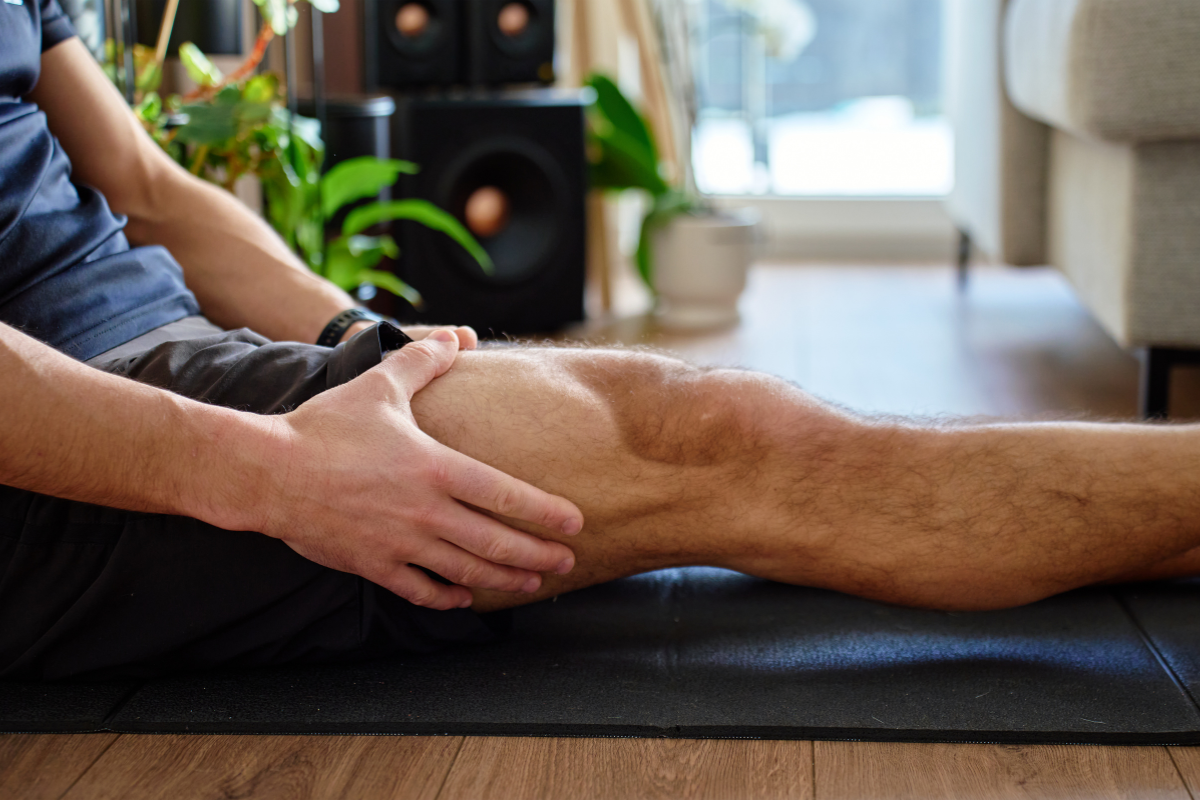
Massage uses pressure and movement applied to muscles and other soft tissues. Techniques range from gentle work aimed at relaxation to more focused pressure on a tender area. Someone seeking relief from general tension may prefer this hands-on approach, especially if they want an option without needles.
The National Center for Complementary and Integrative Health’s massage therapy overview reports that massage may help some pain conditions, but evidence varies and benefits can be short-lived. Feeling better after a session is useful feedback; it does not necessarily show that the underlying reason for recurring pain has changed.
Massage also does not replace an assessment when symptoms are persistent, worsening, or accompanied by numbness or weakness. The provider should know about your medical conditions and medications so the pressure and approach can be adapted.
What does dry needling address?
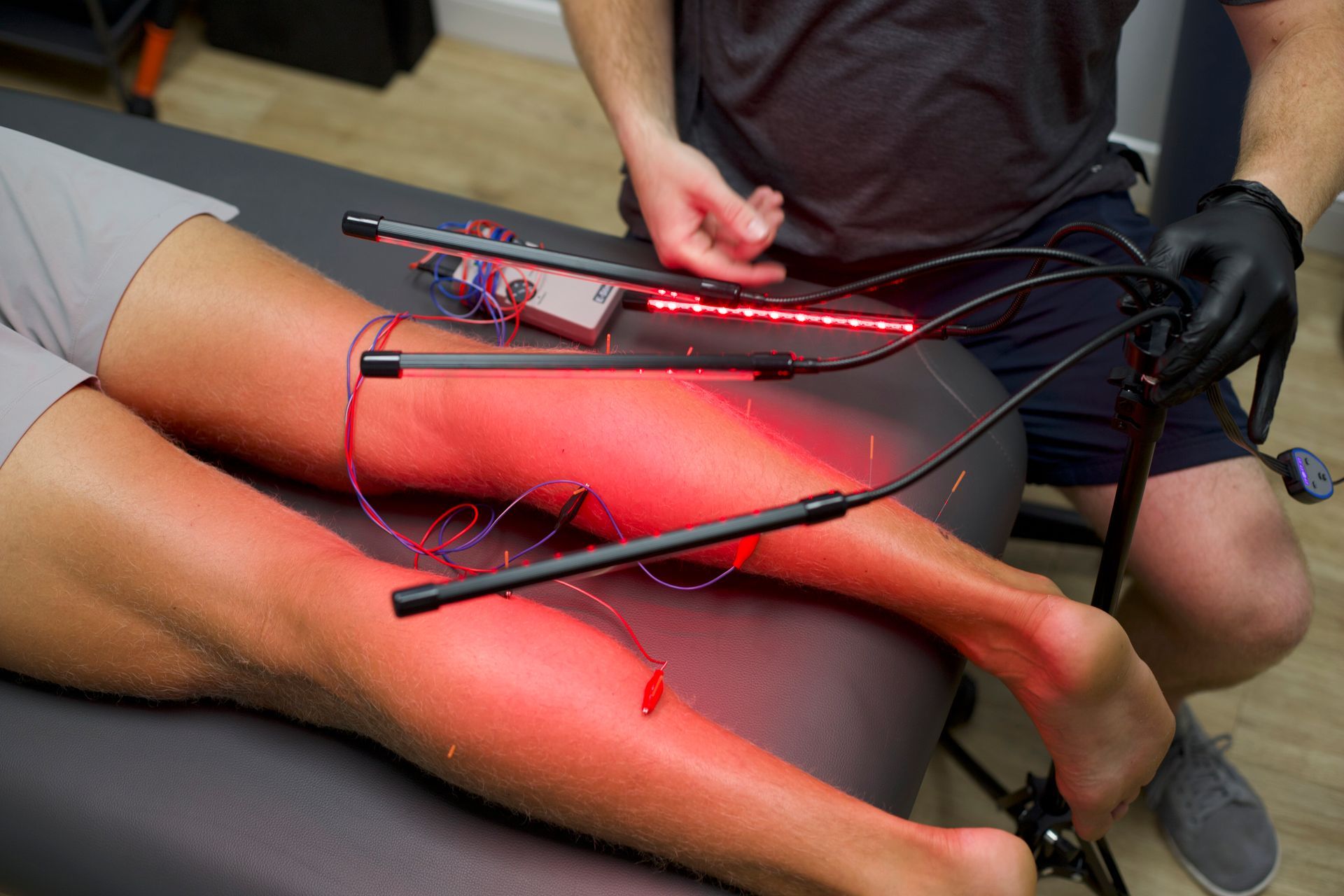
Dry needling uses a thin needle inserted through the skin into selected tissue. No medication is injected. The American Physical Therapy Association’s dry needling resource describes its use for pain and movement problems, often involving sensitive areas in muscle known as trigger points.
A clinician may consider dry needling for muscle pain when the examination suggests that a specific muscular problem is contributing to symptoms. Treatment can involve a brief twitch or discomfort, and temporary soreness may follow. The intended goal is to help manage symptoms as part of a broader plan, rather than promise a permanent release of every “knot.”
Research needs careful interpretation. A 2023 umbrella review reported potential short-term pain benefits, while a more recent umbrella review highlighted substantial study limitations and uncertainty about effectiveness. These findings do not establish dry needling as universally better than massage or guarantee lasting relief for an individual.
The main differences
The clearest difference is how treatment is delivered. Massage applies pressure from outside the body; dry needling penetrates the skin. Massage can address a broader area, while dry needling can target selected tissue identified during an examination. Both approaches vary by technique and provider.
Your preferences matter. If you dislike needles, that is a valid reason to discuss other options. If focused muscle pain is limiting an exercise program, a physical therapist may discuss whether dry needling could be a useful addition. More intense treatment is not automatically better, and neither approach needs to be painful to be worthwhile.
Why the cause of tightness matters
“Tight” describes a sensation, not a diagnosis. A muscle may feel tense after unfamiliar exercise, but pain can also involve a tendon, joint, or nerve. Repeatedly treating the tender area without checking the bigger picture may leave important contributors unaddressed.
For example, a Jacksonville runner with recurring calf discomfort may need a review of training changes and calf strength. A St. Johns golfer with shoulder tightness may benefit from examining shoulder mobility and the movements that provoke pain. Those findings can help determine whether hands-on treatment, exercise, activity changes, or further medical evaluation belong in the plan.
The practical question is whether treatment helps you move toward your goals. That might mean sleeping more comfortably, working without frequent breaks, or gradually returning to sport. Assessing these changes is more useful than choosing a technique simply because it is popular.
Safety and informed choice
Dry needling is an invasive procedure. Cleveland Clinic’s dry needling guide discusses soreness and bruising, as well as risks such as infection and rare serious complications, including a punctured lung when needling near the chest. A properly trained clinician should explain relevant risks, alternatives, and what to expect before you consent.
Massage also requires appropriate precautions, particularly with deep pressure. Tell your provider about blood thinners, bleeding problems, recent surgery, pregnancy, or other health concerns. Sudden severe pain, progressive weakness, or unexplained swelling calls for medical assessment before booking a symptom-relief treatment.
Dry needling and individualized care in Jacksonville and St. Johns
At Movement Driven Performance Physiotherapy, one-on-one physical therapy combines assessment with a plan tailored to your symptoms and activity goals. Dry needling, when appropriate, can be considered alongside manual therapy, prescribed exercise, and guidance on returning to the movements that matter to you.
If you are comparing dry needling in St. Johns, FL, with other options for muscle pain, start with a conversation about what you are experiencing. Explore
Movement Driven’s dry needling services or
schedule a FREE discovery call in Jacksonville or St. Johns. You can discuss your preferences and decide with your physical therapist which next step fits your needs.