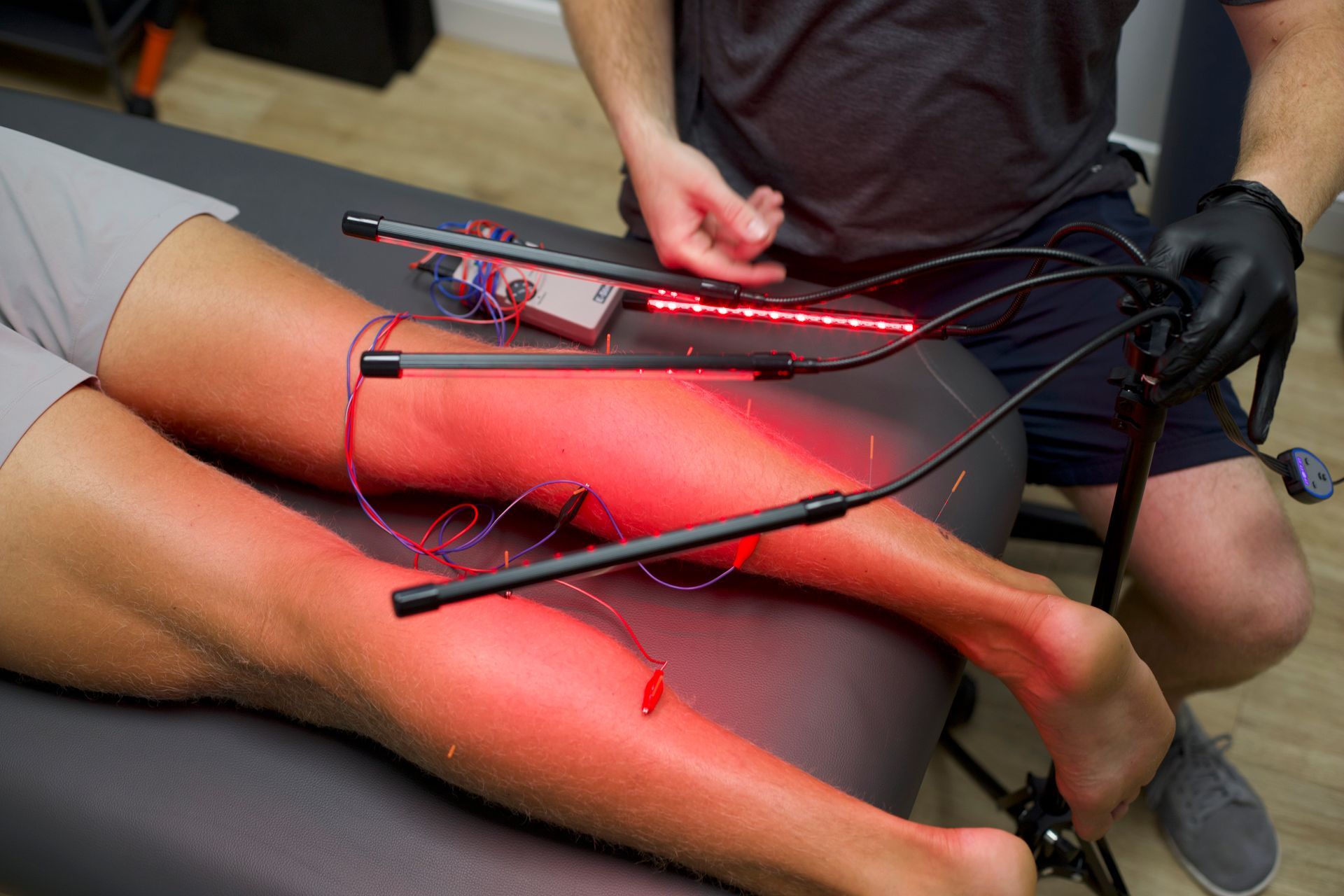
Can You Use HSA or FSA Funds for Physical Therapy? What Jacksonville Patients Should Know Before Year-End
Before 2026 comes to an end, learn how your health spending accounts may help cover physical therapy expenses in Jacksonville and St. Johns, Florida.

Before the Year Ends, Don't Overlook Your Health Benefits
As November arrives, many Jacksonville and St. Johns residents are beginning to think about the holidays, year-end expenses, and preparing for a new year.
But there's one thing that often gets overlooked: your healthcare spending benefits.
If you've been dealing with lingering back pain, knee discomfort, a sports injury, or limitations that keep you from doing the activities you enjoy, you may have funds available to help cover physical therapy.
Health Savings Accounts (HSAs) and Flexible Spending Accounts (FSAs) can be valuable resources for paying eligible healthcare expenses.
However, understanding how these accounts work, what they cover, and when funds must be used can sometimes feel confusing.
At Movement Driven Performance Physiotherapy, we believe accessing quality care should be straightforward. Here's what Jacksonville and St. Johns patients should know about using HSA and FSA funds for physical therapy.
1. Can You Use HSA or FSA Funds for Physical Therapy?
In many cases, yes!
Physical therapy provided to evaluate or treat an injury, pain, or medical condition generally qualifies as an eligible medical expense under HSA and healthcare FSA guidelines.
According to the Internal Revenue Service (IRS), Publication 502, therapy received as medical treatment is considered an eligible medical expense.
This means your HSA or FSA may help cover qualifying physical therapy services for conditions such as:
- Back and neck pain
- Knee, hip, and shoulder injuries
- Sports-related injuries
- Post-surgical rehabilitation
- Mobility limitations associated with medical conditions
- Chronic pain and movement dysfunction
However, there's an important distinction between medically necessary treatment and general fitness or wellness services.
Not every performance assessment, exercise program, or wellness service automatically qualifies for HSA or FSA reimbursement.
Eligibility depends on the purpose of treatment, the applicable IRS rules, and your account administrator's requirements.
Before scheduling services, it's always a good idea to confirm coverage and documentation requirements with your HSA or FSA provider.
2. What's the Difference Between an HSA and an FSA?
Although both accounts can help individuals pay qualifying medical expenses using tax-advantaged funds, they operate differently.
Health Savings Account (HSA)
An HSA is a tax-advantaged savings account available to eligible individuals.
One of its biggest advantages is that unused money generally rolls over from year to year.
According to HealthCare.gov, HSA funds remain available for future eligible medical expenses rather than disappearing at the end of the calendar year.
That means you don't need to rush to spend your HSA balance before December 31.
Flexible Spending Account (FSA)
A healthcare FSA is typically offered through an employer and allows employees to set aside money for eligible healthcare expenses.
Unlike an HSA, an FSA generally follows a use-it-or-lose-it structure.
However, some employer-sponsored plans allow a limited amount of unused funds to carry over or provide a grace period after the plan year ends.
The IRS explains these FSA provisions in Publication 969.
Because employers establish their specific plan terms, it's important to verify your deadlines and available balance before the end of your plan year.
The biggest takeaway? HSA funds generally remain available, while FSA funds may be subject to deadlines depending on your employer's plan.
3. Can You Use HSA or FSA Funds at an Out-of-Network Physical Therapy Clinic?
This is one of the most important questions for individuals considering private physical therapy.
The good news is that a physical therapy clinic does not necessarily have to be in your insurance network for qualifying services to be eligible for HSA or FSA funds.
Insurance coverage and HSA/FSA eligibility are two separate considerations.
HSA and FSA rules focus on whether the expense qualifies as an eligible medical expense. Your insurance provider determines whether a service is covered under your particular insurance plan.
At Movement Driven Performance Physiotherapy, we operate as an out-of-network physical therapy practice serving Jacksonville, St. Johns, and surrounding Northeast Florida communities.
Our approach prioritizes individualized, one-on-one physical therapy sessions tailored to each patient's needs and goals.
We also offer treatment packages and can assist patients with documentation that may be useful when pursuing eligible insurance reimbursement.
While we cannot guarantee insurance reimbursement or HSA/FSA eligibility, we're happy to discuss available payment options and help you understand the process.
4. Four Questions to Ask Before Using Your Benefits
Before using your HSA or FSA funds for physical therapy, consider asking your account administrator a few important questions.
1. Is physical therapy an eligible expense under my plan?
Although medical treatment is generally eligible, confirm whether your specific services qualify.
2. When do my available funds need to be used?
If you have an FSA, determine when your plan year ends and whether your employer offers a carryover or grace period.
3. What documentation do I need?
Some account administrators may request itemized receipts or other supporting documentation.
4. Are there special requirements for out-of-network providers?
Ask whether there are additional steps for receiving reimbursement for eligible services.
Taking a few minutes to verify these details can help prevent unexpected expenses or reimbursement issues.
5. Why November Is a Great Time to Address Lingering Pain
The end of the year often brings packed schedules, holiday travel, family gatherings, and plans for January.
It's also a natural time to reflect on the things you've been putting off.
Maybe you've been dealing with shoulder pain during your golf swing.
Perhaps knee discomfort has been affecting your running routine.
Or maybe persistent back pain has made your workouts, workdays, or everyday activities more difficult than they should be.
Rather than waiting until discomfort becomes more limiting, November can be a good opportunity to evaluate your options.
Physical therapy can help identify factors contributing to pain, assess movement limitations, and develop an individualized approach to improving function.
And if you have available HSA or FSA funds, understanding how those benefits apply may make it easier to plan for care.
6. Looking for Physical Therapy in Jacksonville or St. Johns, FL?
At Movement Driven Performance Physiotherapy, our mission is to help active individuals throughout Northeast Florida move better, recover from injuries, and return to the activities they love.
We specialize in individualized, one-on-one physical therapy with a focus on rehabilitation, movement, and performance.
Whether you're managing a chronic injury, recovering from a recent setback, or trying to return to your favorite sport, we're here to help you take the next step.
If you've been putting off physical therapy, there's no better time to learn about your options.
Your health deserves attention beyond the start of a new year.
Visit Movement Driven Performance Physiotherapy to learn more about our services in Jacksonville and St. Johns, Florida, or schedule a Discovery Call to discuss your needs and available treatment options.
Please note: HSA and FSA eligibility depends on the nature of your treatment and applicable account rules. Consult your plan administrator or tax professional regarding your specific benefits.