Training for a Jacksonville Turkey Trot? How to Avoid Knee, Shin & Achilles Pain
Preparing for a Thanksgiving race in Northeast Florida? Learn how to recognize common running injuries and keep your training on track.
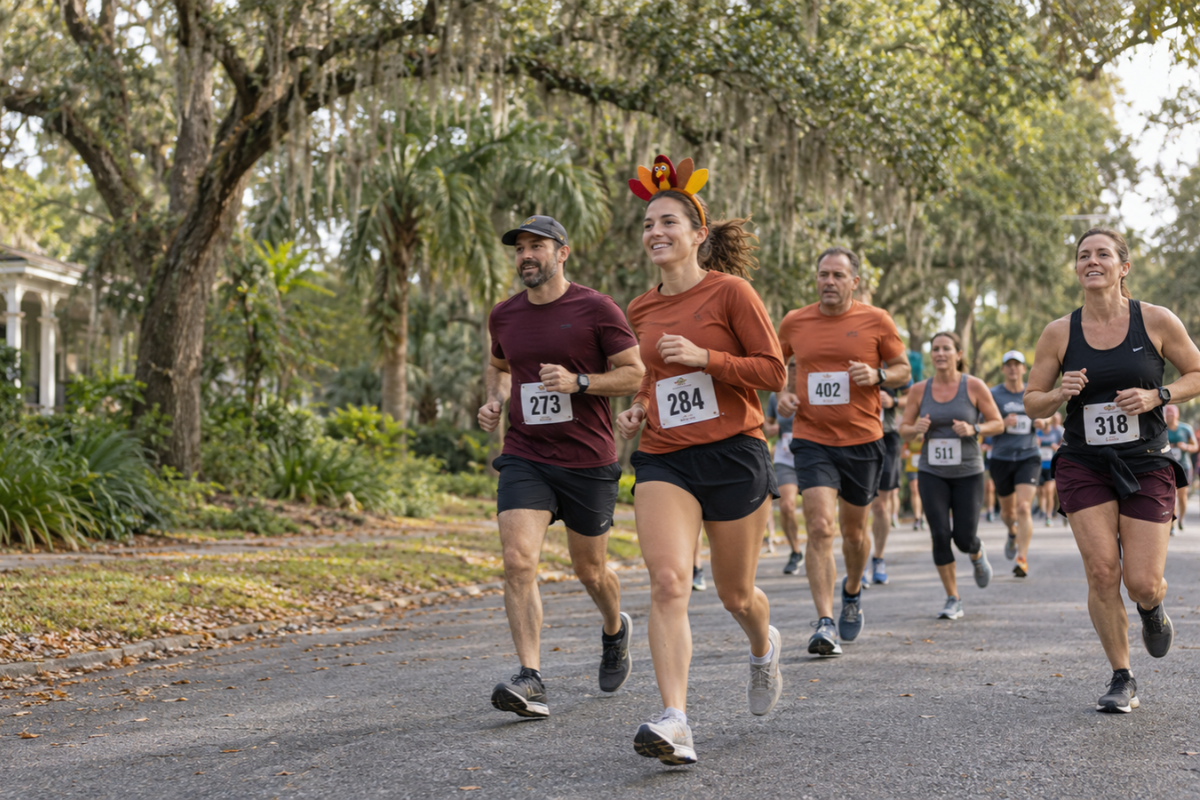
Jacksonville's Thanksgiving Running Season Is Here!
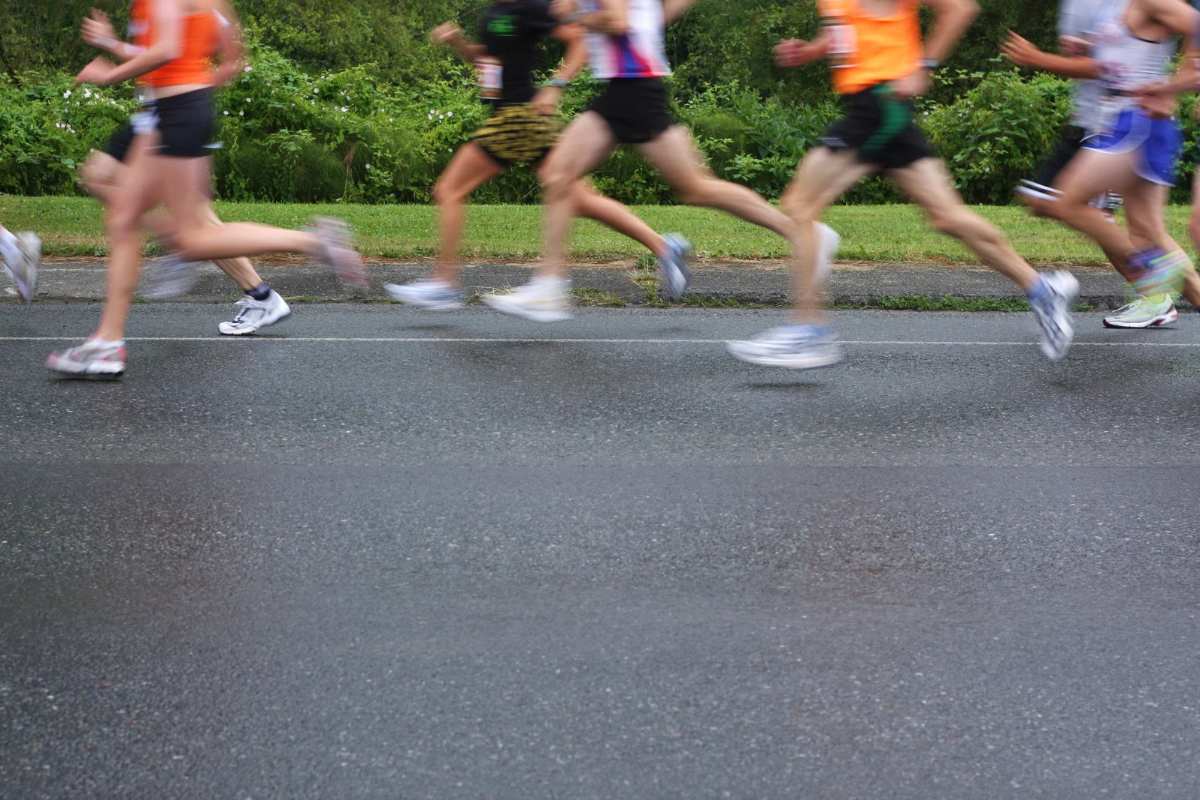
November is an exciting month for runners throughout Jacksonville, St. Johns, and Northeast Florida. With Thanksgiving races, community 5Ks, and cooler temperatures, it's a popular time to lace up your running shoes and hit the pavement.
Events like Jacksonville's Community First Thanksgiving Distance Classic bring runners of all experience levels together to celebrate fitness, family, and the holiday season.
Whether you're training for your first 5K or preparing to tackle a longer distance, one thing is certain: the last thing you want is an injury keeping you from the starting line.
At Movement Driven Performance Physiotherapy, we frequently work with runners experiencing knee pain, shin discomfort, Achilles issues, and other running-related injuries.
Understanding the warning signs and knowing when to modify your training can make a difference in keeping you active throughout race season.
1. Runner's Knee: When Every Step Starts to Hurt
Knee pain is one of the most common complaints among recreational runners.
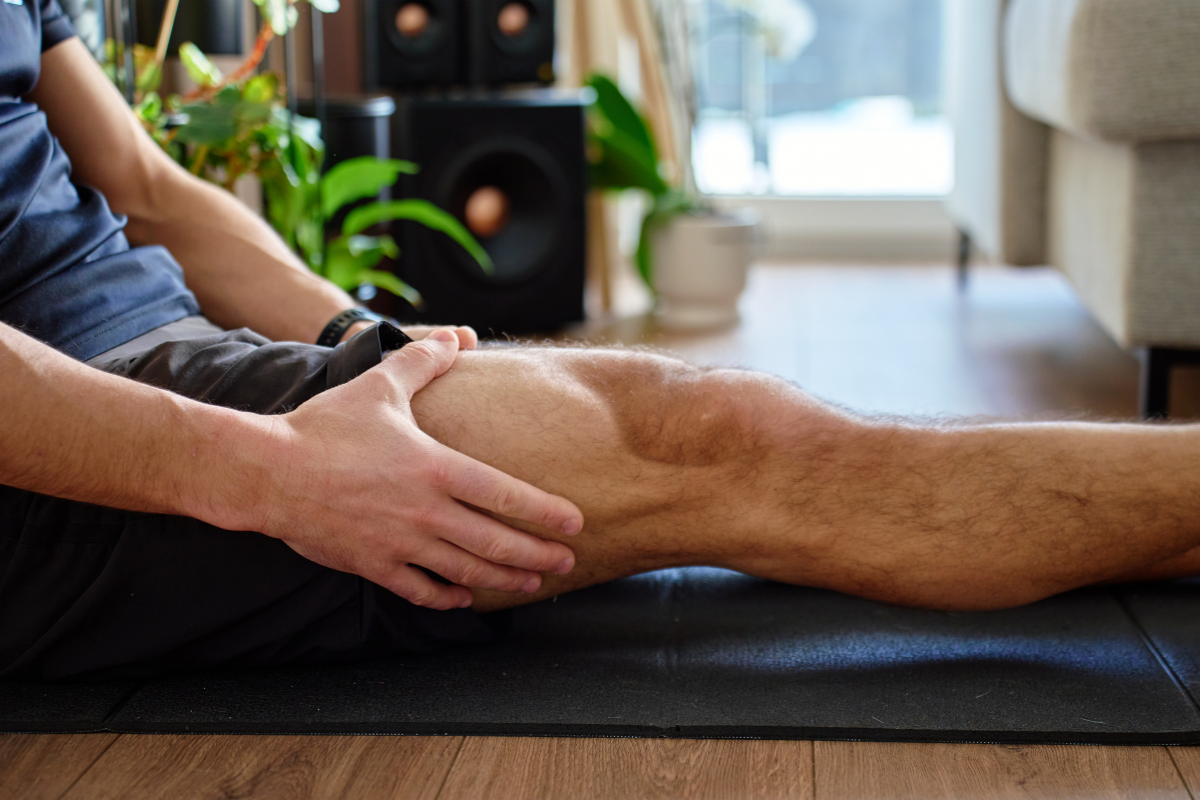
Often referred to as runner's knee, patellofemoral pain typically causes discomfort around or behind the kneecap. You might notice symptoms while running, climbing stairs, squatting, or sitting with your knees bent for an extended period.
According to the American Academy of Orthopaedic Surgeons, patellofemoral pain can be associated with repetitive stress, changes in activity levels, and muscle strength or movement factors.
If you're preparing for a Jacksonville Turkey Trot, increasing your running mileage or intensity too quickly may contribute to knee discomfort.
What can help?
Start by examining your training routine. Have you suddenly increased your mileage? Added hills? Started running more frequently?
Adjusting your training load and incorporating appropriate strengthening exercises may help reduce symptoms.
However, persistent knee pain shouldn't be ignored. A physical therapist can evaluate your movement patterns, strength, and mobility to help identify factors contributing to your discomfort.
2. Shin Splints: Don't Ignore That Familiar Lower-Leg Ache
If you've recently increased your running frequency, you may notice tenderness or aching along the front or inside of your lower legs.
This discomfort is commonly called shin splints, or medial tibial stress syndrome.
Shin splints are frequently associated with repetitive loading, particularly when runners increase activity faster than their bodies can adapt.
The American Academy of Orthopaedic Surgeons explains that changes in running frequency, duration, and intensity can contribute to this condition.
While mild soreness after exercise can be normal, recurring shin pain deserves attention.
What can help?
Review recent changes in your training, including running surfaces, footwear, and overall workload.
Reducing aggravating activities while maintaining appropriate forms of exercise may help you stay active as symptoms improve.
It's also important to recognize that not all shin pain is caused by shin splints. Persistent pain, especially when concentrated in one specific area or occurring during everyday walking, should be evaluated to rule out other conditions, including bone stress injuries.
3. Achilles Pain: That Morning Stiffness Could Be Telling You Something
Your Achilles tendon connects your calf muscles to your heel and plays an important role in running, jumping, and pushing off the ground.
When the tendon becomes irritated or struggles to tolerate training demands, runners may experience stiffness or discomfort near the heel or along the back of the ankle.
Symptoms may be especially noticeable during the first few steps in the morning or at the beginning of a run.
The American Academy of Orthopaedic Surgeons identifies sudden increases in running intensity and repetitive stress as potential contributors to Achilles tendon problems.
What can help?
Rather than repeatedly pushing through pain, consider adjusting activities that aggravate the tendon.
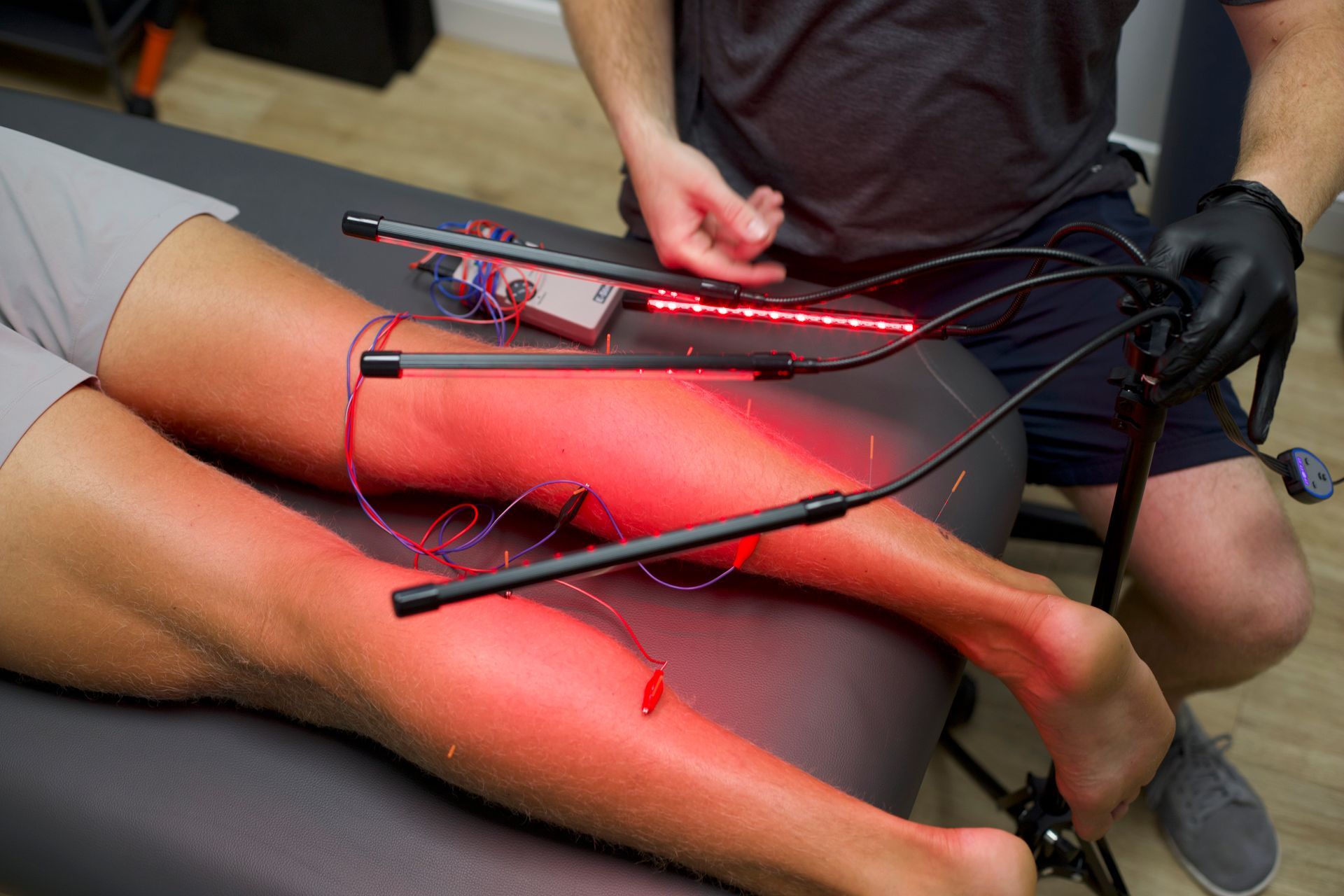
Progressive strengthening and individualized exercise programs can play an important role in rehabilitation.
Because Achilles symptoms can have different causes, working with a physical therapist can help determine which exercises and activity modifications are appropriate for your situation.
4. How to Prepare for Your Jacksonville Turkey Trot Without Overdoing It
Whether you're running through Jacksonville's neighborhoods, training in St. Johns County, or participating in a Thanksgiving race, successful preparation doesn't require pushing your limits every day.
Instead, focus on consistency and gradual progression.
A few practical training considerations include:
- Increase your training gradually. Avoid sudden jumps in mileage, speed, or frequency.
- Incorporate strength training. Building strength in your hips, legs, and calves can support your running demands.
- Allow time for recovery. Your body needs opportunities to adapt between demanding workouts.
- Pay attention to discomfort. Pain that worsens, changes your running mechanics, or continues after activity may warrant evaluation.
- Choose a realistic race distance. If you're new to running, a shorter event or walk/run approach may be appropriate.
Remember, the goal isn't simply to finish your Thanksgiving race. It's to continue enjoying running long after the holiday.
5. Running Physical Therapy in Jacksonville and St. Johns, FL
If knee pain, shin discomfort, or Achilles issues are interfering with your training, you don't have to figure everything out on your own.
At Movement Driven Performance Physiotherapy, we take an individualized, movement-based approach to helping runners understand their symptoms, improve their physical capacity, and work toward their performance goals.
Our one-on-one physical therapy sessions allow us to assess your specific limitations and develop a treatment plan based on your needs.
Whether you're an experienced runner preparing for your next race or someone getting started with a local Jacksonville 5K, we're here to help you keep moving.
Don't let a nagging injury determine whether you make it to the starting line.
Visit
Movement Driven Performance Physiotherapy to learn more about our sports rehabilitation services in Jacksonville and St. Johns, Florida, or schedule a Discovery Call to discuss your running goals.