Sore vs. Injured — How to Tell the Difference (And When to See a Physical Therapist)
Football, golf, and running season all bring their share of aches — here's how to know which ones are normal and which ones need attention.
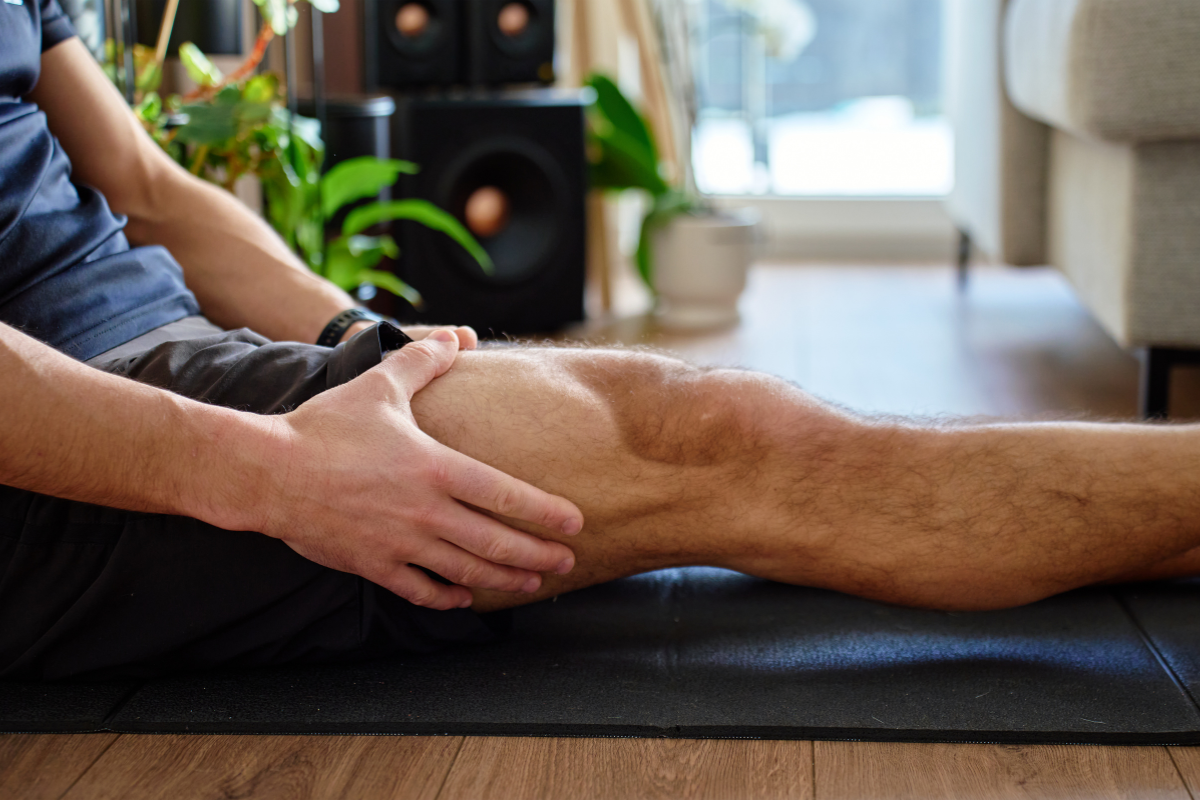
This time of year, we hear a version of the same question constantly: "Is this normal, or should I actually get it looked at?" Football players feel it in a hamstring after a hard practice. Golfers feel it in an elbow after a few rounds in a row. Runners feel it in a knee a few miles into a longer run. The honest answer is that some of this is completely normal — and some of it isn't, and the two can feel surprisingly similar in the moment.
What Normal Soreness Looks Like
Normal training soreness — including delayed-onset muscle soreness after a harder-than-usual session — tends to follow a predictable pattern: it shows up within a day or two of activity, affects muscles broadly rather than one specific spot, feels dull rather than sharp, and gets noticeably better within a few days, especially with light movement.
What Points Toward an Actual Injury
An actual injury tends to break that pattern. Signs worth paying attention to include:
- Pain that's sharp, localized, or feels different from typical muscle fatigue — one specific spot rather than general soreness.
- Pain that doesn't improve — or gets worse — after a few days of rest.
- Swelling, bruising, or visible changes around a joint or muscle.
- Pain that changes how you move — favoring one side, limping, or altering your mechanics to avoid discomfort.
- Pain that shows up during activity and doesn't fade once you're warmed up — normal soreness typically eases as you move; injury-related pain often doesn't.
The first two to three weeks after an injury are considered the acute phase, and this is when it's easiest to accurately diagnose and treat what's going on. That window matters — waiting it out doesn't just delay treatment, it can make the underlying issue harder to identify and resolve.
Why "Wait and See" Usually Backfires
It's tempting to give something a week or two and see if it resolves on its own, especially when it's not severe enough to stop you from training. But seeing a physical therapist early can help you get better safely without fear of causing further injury, stay physically active, and avoid the cost and added risk that comes with waiting until surgery or medication feel like the only options.
There's also a compensation problem that builds quietly. An athlete who alters their gait to protect a sore knee, or shortens their golf swing to avoid elbow pain, often ends up creating a second issue somewhere else — a hip, a lower back, a shoulder — simply from moving differently for weeks at a time.
A Simple Rule of Thumb
If it's general, dull, and improving day over day — that's typically normal training soreness, and staying gently active usually helps more than resting completely. If it's sharp, localized, not improving, or changing how you move, that's worth an actual evaluation rather than more guessing.
Not sure which category your ache falls into?
Schedule a Discovery Call with Movement Driven and get a clear answer instead of guessing through another week of training.