How Physical Therapy Can Keep Athletes Strong and Injury-Free During the Off-Season
For athletes in St. Johns, the off-season can be a time of rest — but it shouldn’t be a time of regression. While taking a break from competition is essential for recovery, too much downtime without structure can lead to deconditioning, loss of mobility, or even an increased risk of injury once training resumes.
That’s why the off-season is the perfect window for athletes to focus on building strength, improving movement patterns, and addressing any lingering issues from the previous season. It’s also an opportunity to make real progress in areas that often get overlooked during in-season training, such as stability, flexibility, and neuromuscular control.
READ: Stronger This Summer: Your Guide to Staying Mobile and Pain-Free All Season Long
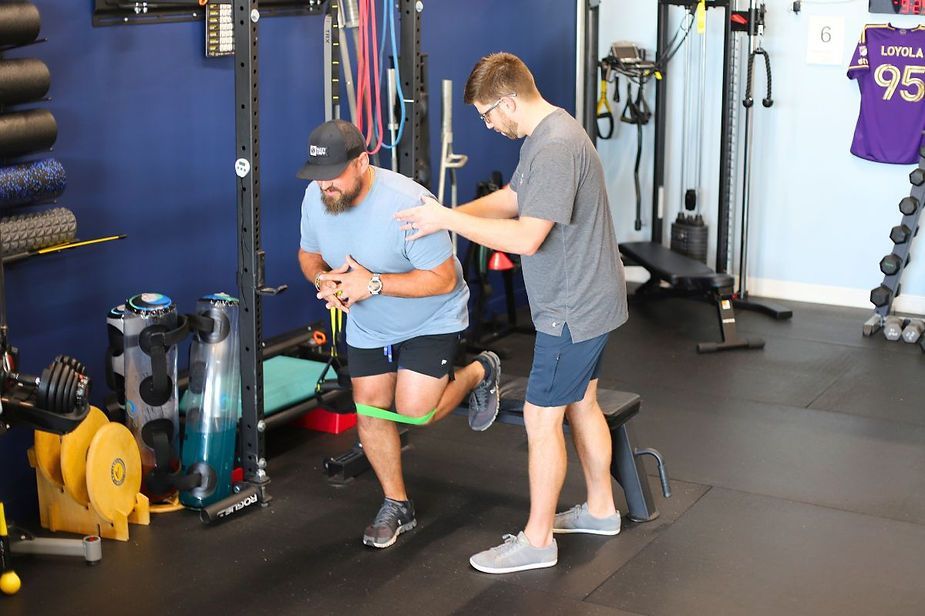
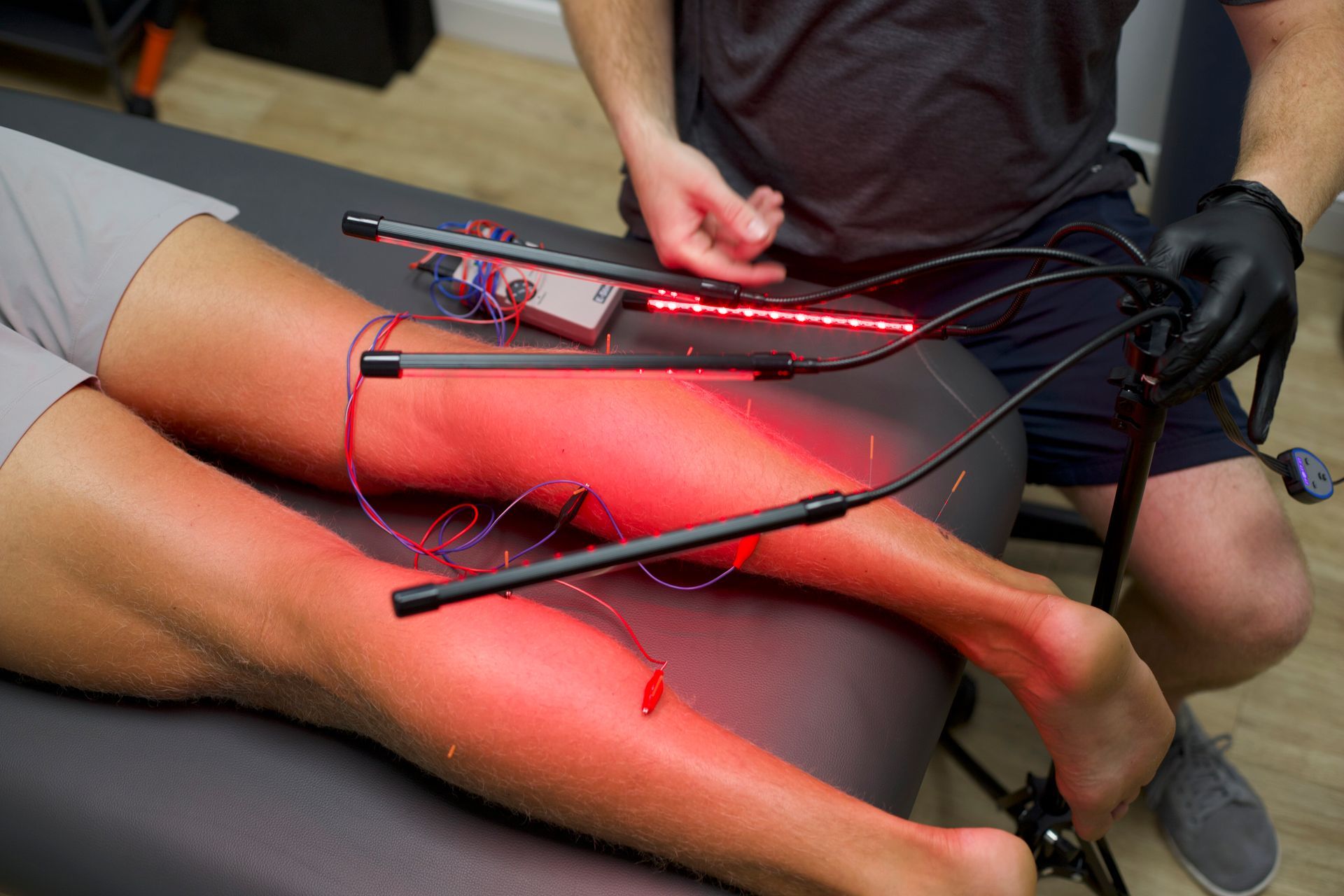
Sports physical therapy offers a smart, strategic approach to off-season development. At Movement
Driven, we help athletes use this time intentionally — not only to heal, but to grow. With individualized plans rooted in evidence-based practice, we set the stage for stronger performance and fewer injuries when the next season rolls around.
Common Risks Athletes Face During Downtime
It’s easy to assume that time away from sport equals time away from injury. But in reality, the off-season carries its own set of risks — particularly when athletes fall into a pattern of inactivity or unstructured training.
Without regular movement, muscles can weaken, joints may stiffen, and cardiovascular conditioning can decline. These changes can set the stage for poor performance or injury once athletes return to practice. Even more concerning, imbalances or minor issues that went unnoticed during the season can worsen if left unaddressed during the off-season.
There’s also a tendency for some athletes to jump back into high-intensity training too quickly after a break, increasing the likelihood of overuse injuries like tendinopathies or stress reactions. Without a guided progression, the return to sport can be more abrupt — and more dangerous — than most realize.
READ:
The Benefits of Combining Dry Needling with Physical Therapy in St. Johns
This is where a structured off-season plan becomes essential. With the guidance of a sports physical therapist, athletes can stay active, address problem areas, and gradually build toward peak condition — all while minimizing the risk of injury.
How Sports Physical Therapy Builds a Resilient Foundation
The off-season is the ideal time to shift from reactive care to proactive performance work — and that’s exactly what
sports physical therapy provides. Rather than waiting for injuries to occur, athletes can use this time to reinforce the fundamentals of movement, mobility, and strength in a way that enhances durability and long-term performance.
At
Movement Driven, we start with a comprehensive movement assessment to identify inefficiencies, weaknesses, and compensations that may be hiding beneath the surface. From there, we build a program that targets these areas directly — with focused mobility work, corrective exercises, and functional strength training that mimics the demands of the athlete’s sport.
The result is a more resilient body: one that can absorb impact, generate power, and move efficiently without breaking down under pressure. We also place a strong emphasis on core stability, joint integrity, and neuromuscular control — elements that support every aspect of athletic performance and dramatically reduce the risk of injury.
READ:
How Movement Driven Supports Faster and Safer Sports Injury Recovery
By building this foundation during the off-season, athletes are better prepared to handle the rigors of pre-season training and in-season competition with confidence and control.
Tailored Off-Season Training at Movement Driven
Every athlete has different needs during the off-season, which is why cookie-cutter programs often fall short. At
Movement Driven, we design individualized
physical therapy plans that align with the athlete’s sport, training history, injury background, and goals for the upcoming season.
Our off-season programs blend manual therapy, targeted strengthening, mobility work, and sport-specific conditioning. For some athletes, this might mean improving ankle stability and explosiveness for cutting movements. For others, it may focus on shoulder mobility and scapular control for overhead sports. Whatever the focus, our goal is always the same: to help athletes move better, feel stronger, and reduce the likelihood of injury.
We also offer guidance on proper recovery, load management, and periodization — helping athletes strike the right balance between rest and progress. By working collaboratively with coaches, parents, and performance professionals when needed, we ensure each athlete gets a fully integrated support system.
With
Movement Driven, off-season training isn’t just about staying busy. It’s about building smarter, safer, and stronger athletes — from the ground up.
Staying Ahead of the Game in St. Johns
Off-season gains are what set athletes apart when the next season begins. While others may be starting from scratch or playing catch-up, those who commit to structured
physical therapy arrive prepared — stronger, more mobile, and less prone to injury.
READ:
From Pain to Performance: How Movement Driven's Physical Therapy Transforms Athletes
At Movement Driven in St. Johns, we believe in helping athletes take full advantage of every phase of their training calendar. Our
sports physical therapy programs are designed not just to react to injuries, but to prevent them — and to empower athletes with the tools they need to succeed long-term.
Whether you're recovering from the previous season, addressing old limitations, or simply looking to stay sharp during your break, we’re here to help you train with purpose. Reach out to schedule an off-season consultation and take the first step toward a stronger, healthier return to sport.