
How Jacksonville Runners Can Stay Injury Free During December Training
Greg Goldberger • December 16, 2025
Smart winter strategies to reduce pain, improve performance, and build a strong foundation for 2026 training

December is a popular time for runners in Jacksonville to ramp up mileage. Cooler temperatures make running more comfortable, holiday races fill the calendar, and many athletes begin laying the groundwork for their 2026 training goals. While winter running has its perks, it also comes with unique injury risks that can derail progress if not managed correctly.
From cold weather warm ups to early morning stiffness and common knee or foot pain, here is how Jacksonville runners can stay healthy, consistent, and injury free through December training.
Why December Running Injuries Are Common in Jacksonville
Even though Jacksonville winters are mild compared to other regions, subtle changes still matter. Cooler mornings, tighter muscles, and sudden training increases around the holidays can place extra stress on the body.
Runners often deal with:
- Stiff joints during early morning runs
- Reduced tissue elasticity in cooler temperatures
- Increased mileage without proper preparation
- Old aches resurfacing as volume increases
Understanding how your body responds to winter training is the first step in preventing injury.
The Importance of Cold Weather Warm Ups
One of the biggest mistakes runners make in December is skipping a proper warm up. Muscles and connective tissue are less pliable in cooler temperatures, even in Northeast Florida.
A good winter warm up should focus on raising body temperature and preparing joints for impact.
Effective warm up strategies include:
- 5 to 10 minutes of brisk walking or easy jogging
- Dynamic movements such as leg swings, lunges, and ankle circles
- Activation exercises for hips, glutes, and calves
Static stretching before a run is less effective when muscles are cold. Save longer holds for after your run when tissues are warm.
Managing Early Morning Stiffness
Many Jacksonville runners train early to beat work schedules or enjoy cooler air. Unfortunately, early morning stiffness is common, especially during winter.
Stiffness typically affects:
- Ankles and feet
- Knees
- Hips and low back
To reduce stiffness before morning runs:
- Spend a few minutes moving indoors before heading out
- Perform gentle mobility work for ankles, hips, and spine
- Start your run slower than usual and gradually build pace
If stiffness lasts longer than the first mile or worsens as you run, it may be a sign your body needs attention.
Preventing Knee Pain During Winter Runs
Knee pain is one of the most common complaints runners experience during December training. Cooler temperatures can highlight movement limitations that may not have been noticeable earlier in the year.
Common contributors to knee pain include:
- Weak hip or glute muscles
- Limited ankle mobility
- Sudden increases in mileage or intensity
- Poor running mechanics
To protect your knees:
- Strengthen hips and glutes with targeted exercises
- Maintain ankle mobility and calf strength
- Follow gradual training progressions
- Rotate running shoes if possible to reduce repetitive stress
Pain around the knee should never be ignored, especially if it persists after runs.
Avoiding Foot and Ankle Pain in Winter Training
Foot pain often increases during December due to tighter tissues and changes in training volume. Plantar fasciitis, Achilles irritation, and general foot soreness are common during winter months.
Ways to protect your feet include:
- Prioritizing calf and foot mobility
- Strengthening intrinsic foot muscles
- Avoiding worn out running shoes
- Gradually increasing mileage instead of sudden jumps
Cold muscles fatigue faster, which can place extra load on the foot and ankle if not properly prepared.
When to Get a Running Evaluation Before 2026 Training
December is an ideal time to schedule a running evaluation, especially if you plan to start structured training in January.
A running evaluation can help:
- Identify movement limitations or asymmetries
- Address lingering pain before it becomes chronic
- Improve running efficiency and mechanics
- Reduce injury risk heading into higher mileage cycles
If you are experiencing recurring aches, stiffness that does not improve, or pain that changes your running form, it is time to seek professional guidance.
At Movement Driven Performance Physiotherapy, runners receive one on one care with Doctors of Physical Therapy who understand both rehabilitation and performance. Evaluations focus on how your body moves, not just where it hurts.
Train Smarter This December
Jacksonville runners can thrive during December training by respecting seasonal changes and preparing their bodies properly. A thoughtful warm up, consistent mobility work, and early intervention when issues arise can make all the difference.
Staying injury free now sets the foundation for stronger, more confident running in 2026.
If you want to run pain free and perform at your best, a running evaluation
can help you move forward with clarity and confidence.
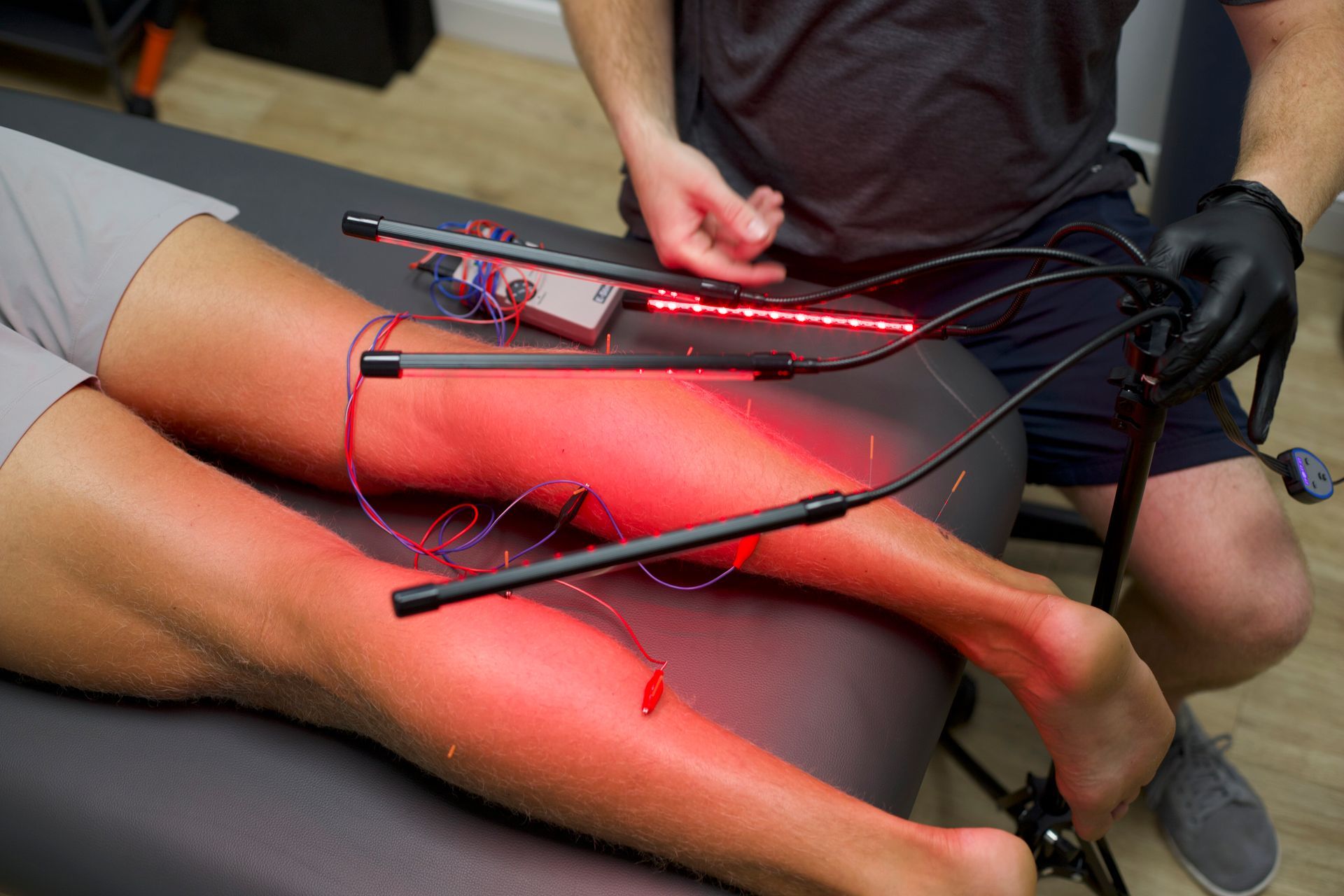
Compare dry needling and massage for muscle tightness and pain. Explore individualized care at Movement Driven in Jacksonville and St. Johns, FL.
Learn how to return to golf after injury with Dr. Greg’s tips on pain, mobility, strength, TPI assessments, and rebuilding your swing safely.
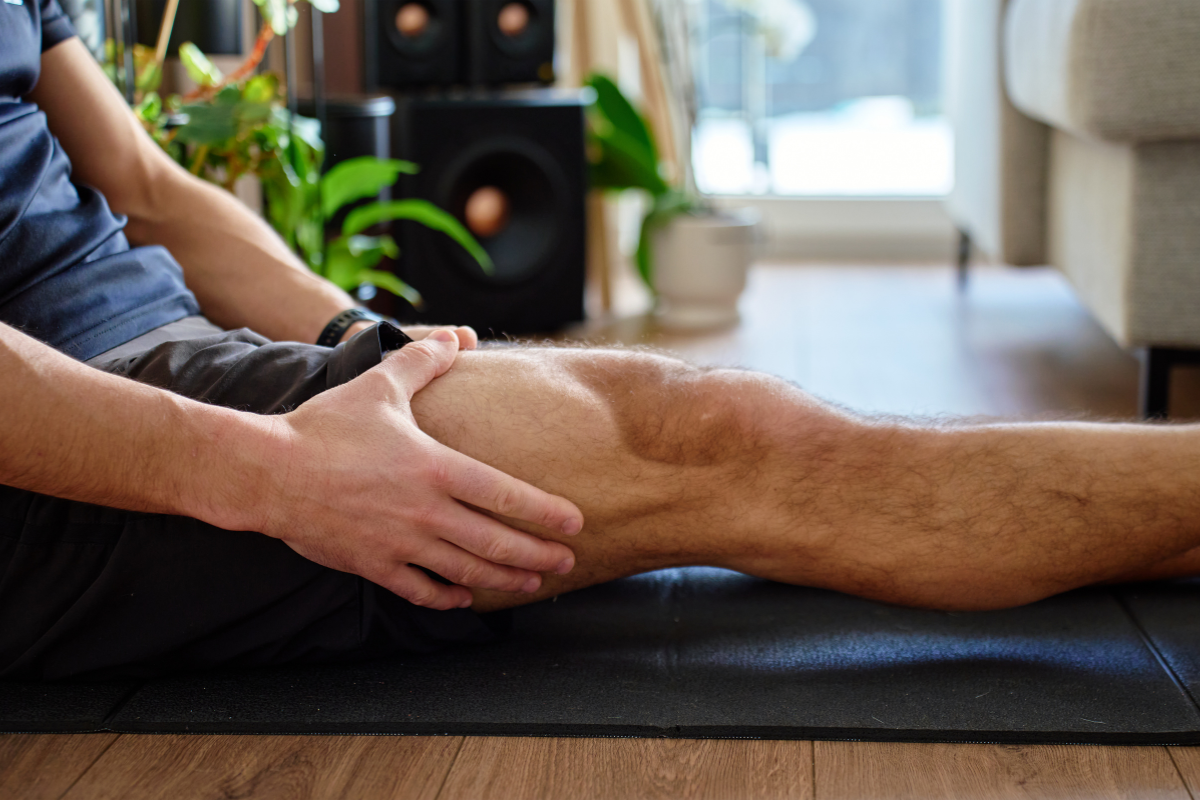
Not sure if it's normal soreness or something more? Movement Driven breaks down the signs that mean it's time to see a physical therapist.

Learn what the research actually says about safely increasing weekly mileage — and where the 10% rule falls short.

Movement Driven answers a common question from Jacksonville and St. Johns County parents. Here's what it actually checks for.
Learn the difference between tennis elbow and golfer’s elbow, common causes of elbow pain, and why treating the source matters with Dr. Greg Goldberger.
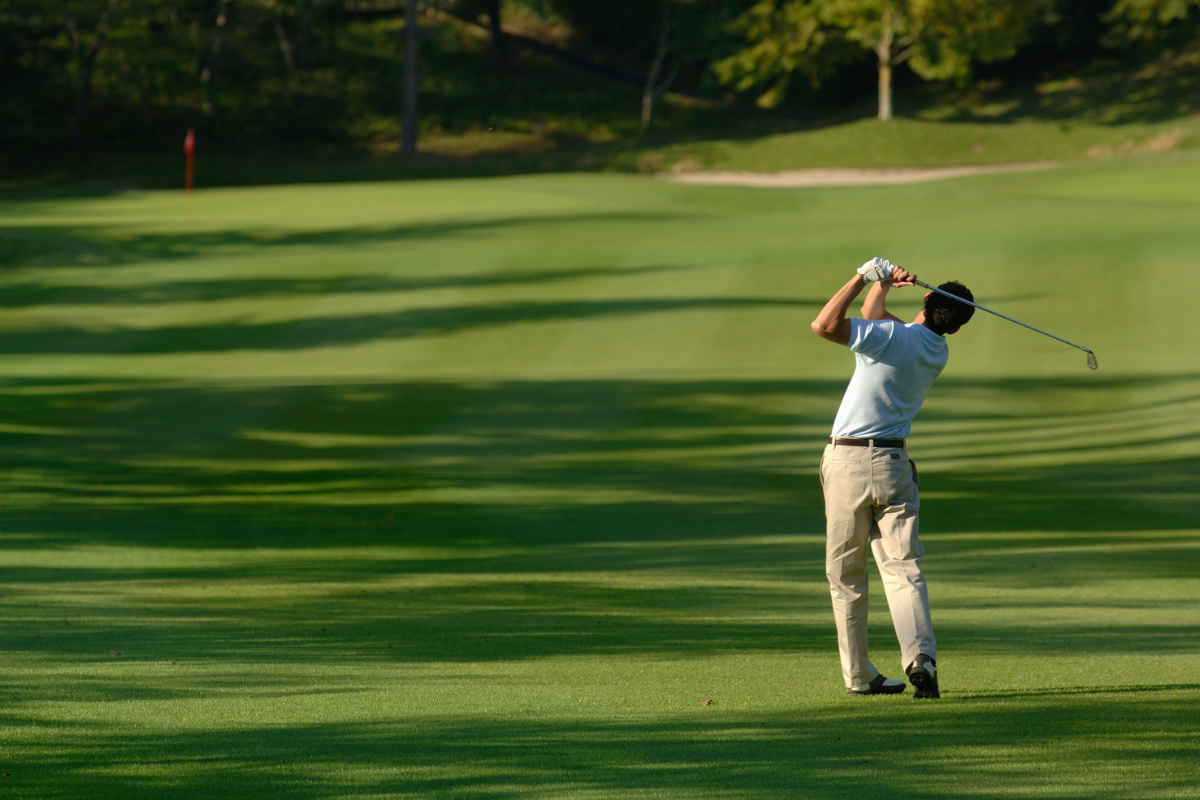
See the warm-up routine Movement Driven recommends to Jacksonville and St. Johns County golfers heading into fall golf season.
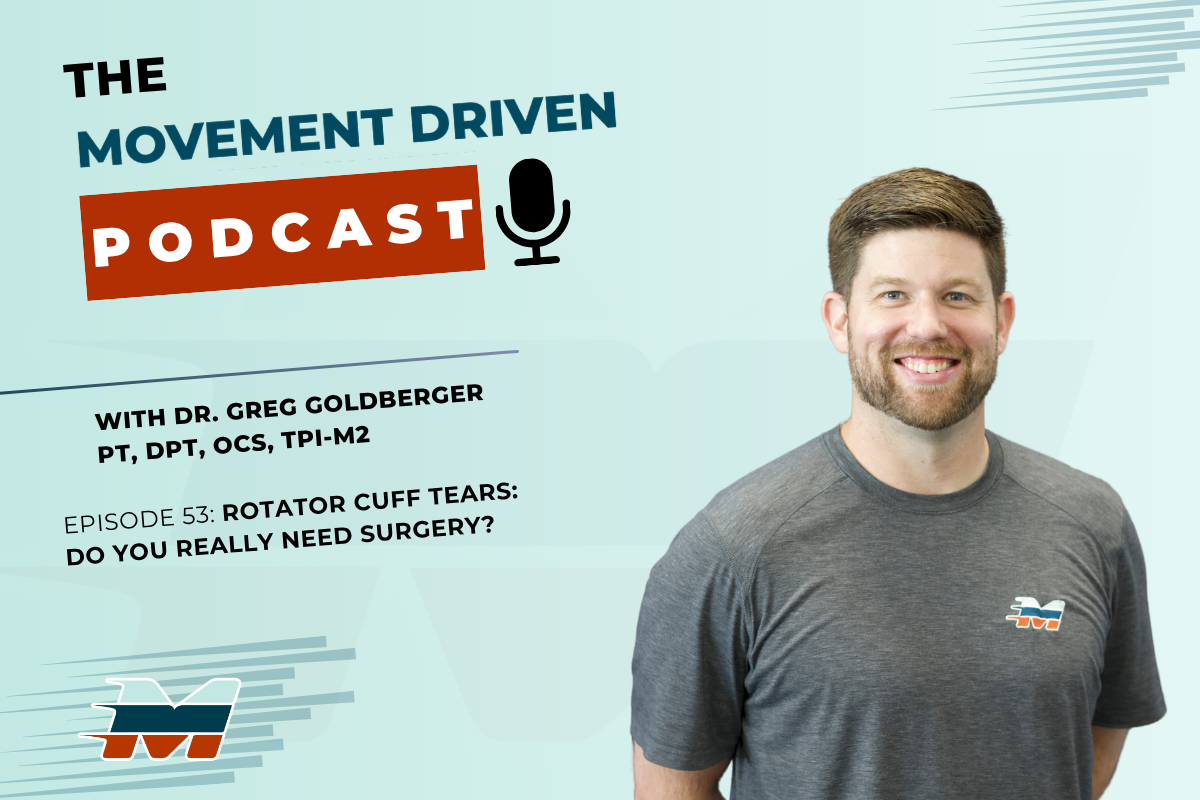
Does a rotator cuff tear mean surgery? Dr. Greg explains MRI findings, red flags, partial vs. full tears, and when physical therapy may help.
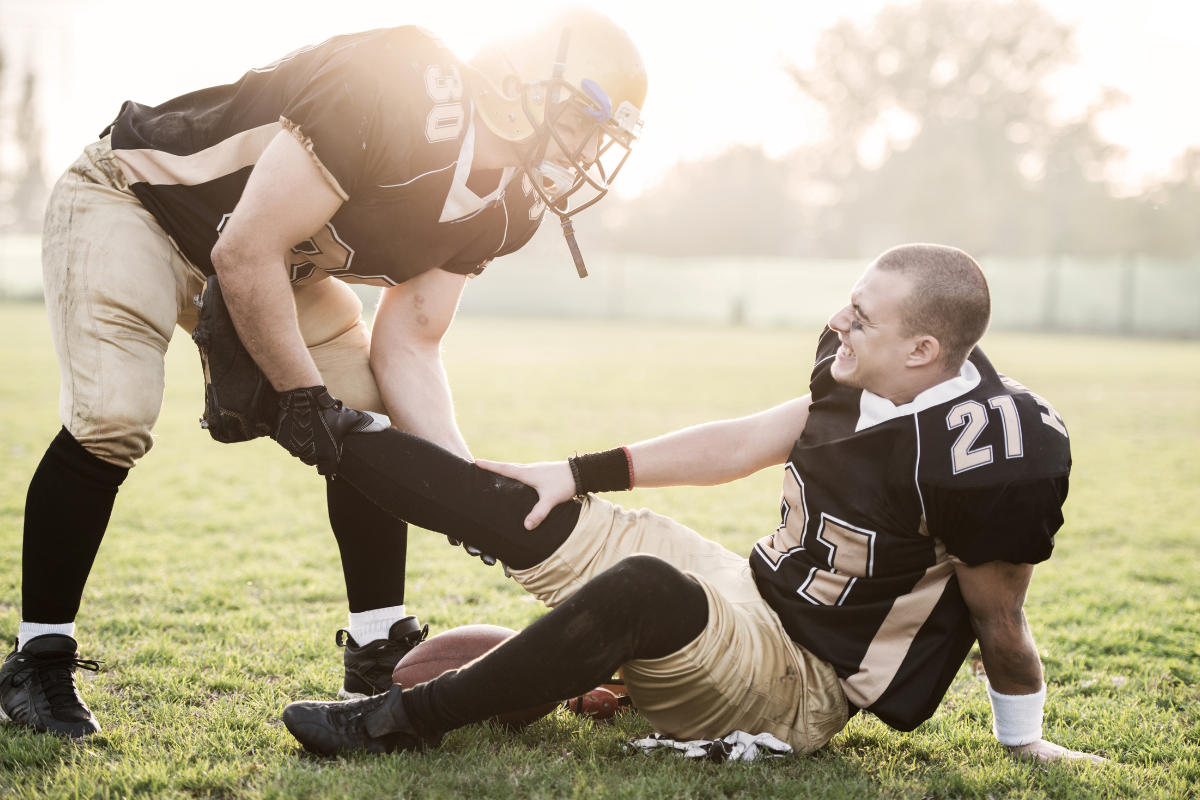
Two-a-days spike football injuries in Jacksonville and St. Johns County every fall. Learn what causes the surge and how youth and adult athletes can train through it safely.
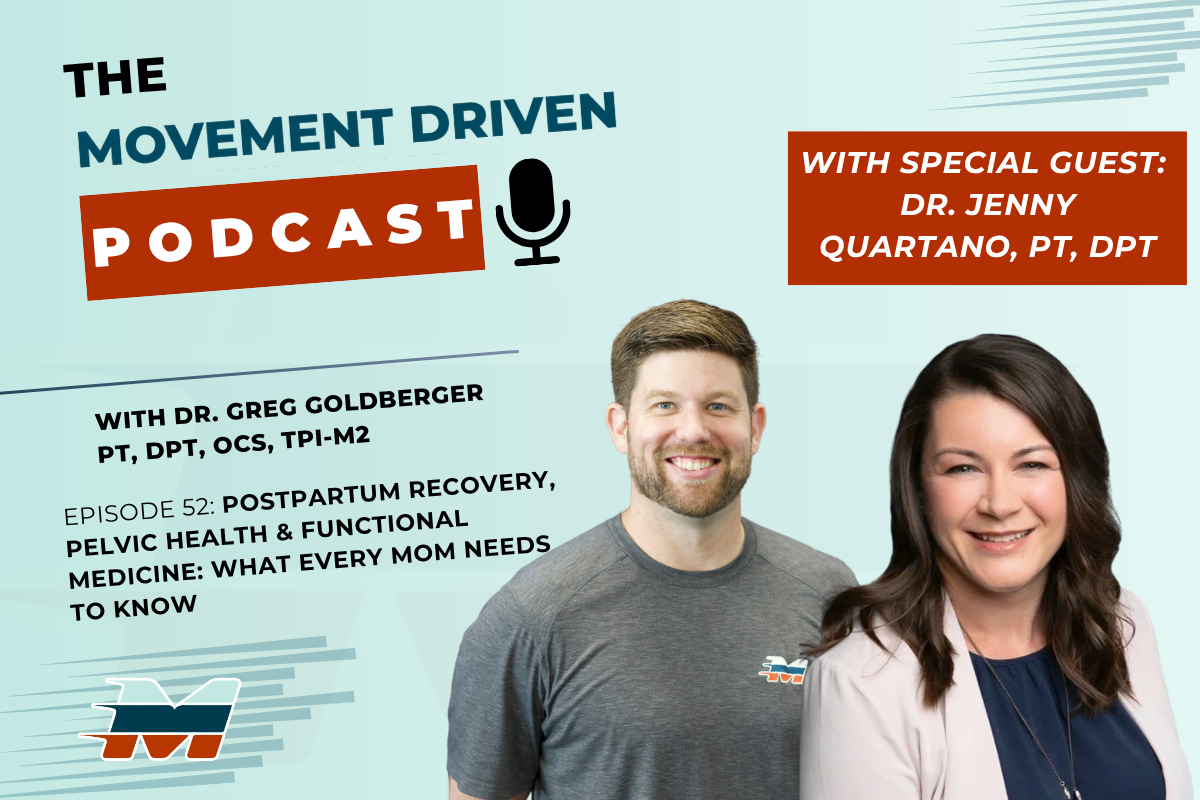
Dr. Greg talks postpartum recovery, pelvic health myths, and functional medicine with Dr. Jenny Quartano, PT, DPT of All Together Wellness.