
The St. Johns Guide to Staying Active During a Busy Holiday Schedule
Greg Goldberger • December 23, 2025
Practical ways to stay active, manage pain, and keep moving when holiday schedules get hectic

The holiday season in St. Johns brings packed calendars, travel, school events, winter sports, and a whole lot of routine disruption. Between practices, performances, family gatherings, and year-end work demands, staying active can feel overwhelming.
At Movement Driven Performance Physiotherapy, we see it every year. People stop moving altogether or try to jump back in too fast, leading to stiffness, aches, and flare-ups that could have been avoided.
The good news is this: staying active during a busy season does not require long workouts or perfect routines. It requires smart movement, consistency, and knowing how to adapt.
Redefine What “Working Out” Looks Like This Season
One of the biggest mistakes we see during the holidays is the all-or-nothing mindset. If you cannot fit in your usual 60-minute workout, it is easy to do nothing at all.
Instead, shift your goal from training hard to staying consistent.
Short workouts absolutely count. In fact, they are often more effective during high-stress seasons because they are easier to recover from and easier to maintain.
Try this approach:
- 10–20 minute strength or bodyweight circuits
- A brisk walk while kids are at practice
- A quick bike ride or rower session at home
- A few focused movement blocks spread throughout the day
Consistency beats intensity during busy seasons.
Quick Mobility Strategies That Actually Work
Mobility work becomes even more important when your schedule is unpredictable. Sitting in the car, standing on sidelines, sleeping in unfamiliar beds, or skipping workouts can all increase stiffness and joint irritation.
The key is keeping mobility simple and repeatable.
5–8 minute mobility ideas:
- Hip flexor and hamstring stretches after long car rides
- Thoracic spine rotations to offset sitting and driving
- Ankle mobility drills if you are standing or walking more than usual
- Neck and shoulder mobility before bed to reduce tension
You do not need a full foam rolling session every day. A few targeted movements done consistently can dramatically reduce stiffness and soreness.
Staying Consistent During Winter Sports Season as a Parent
Winter sports season often means evenings at the rink, gym, or field instead of your usual workout time. Parents frequently put their own health on the back burner during this stretch.
The goal here is not perfection. It is integration.
Ways parents can stay active without adding stress:
- Walk laps during practice instead of sitting
- Do light mobility or band work on the sidelines
- Schedule short morning movement sessions before the day gets busy
- Pair your movement with your child’s schedule instead of fighting it
Even 10 minutes of movement a day helps maintain strength, mobility, and energy levels through a long sports season.
How to Avoid Flare-Ups When Routines Get Thrown Off
Flare-ups often happen when people stop moving entirely or return to activity too aggressively after a break. Pain does not always mean injury, but it is often a signal that your body needs a different approach.
To reduce the risk of flare-ups:
- Keep some form of movement daily, even if it is light
- Avoid jumping back into high-volume or high-intensity workouts
- Prioritize sleep, hydration, and recovery when schedules are packed
- Pay attention to early warning signs like stiffness, tightness, or lingering soreness
If pain starts creeping in, addressing it early can prevent weeks or months of frustration later.
When to Get Help Instead of Pushing Through
If you are dealing with recurring pain, lingering stiffness, or flare-ups that keep returning every busy season, it may be time to look deeper.
At Movement Driven, we help active individuals and families across St. Johns identify what is driving their pain and create realistic movement strategies that work within their real lives.
You do not need to wait until things slow down to feel better. With the right plan, you can stay active, manage pain, and keep doing what you love even during the busiest times of the year.
Staying active during the holidays is not about doing more. It is about doing what fits and doing it consistently.
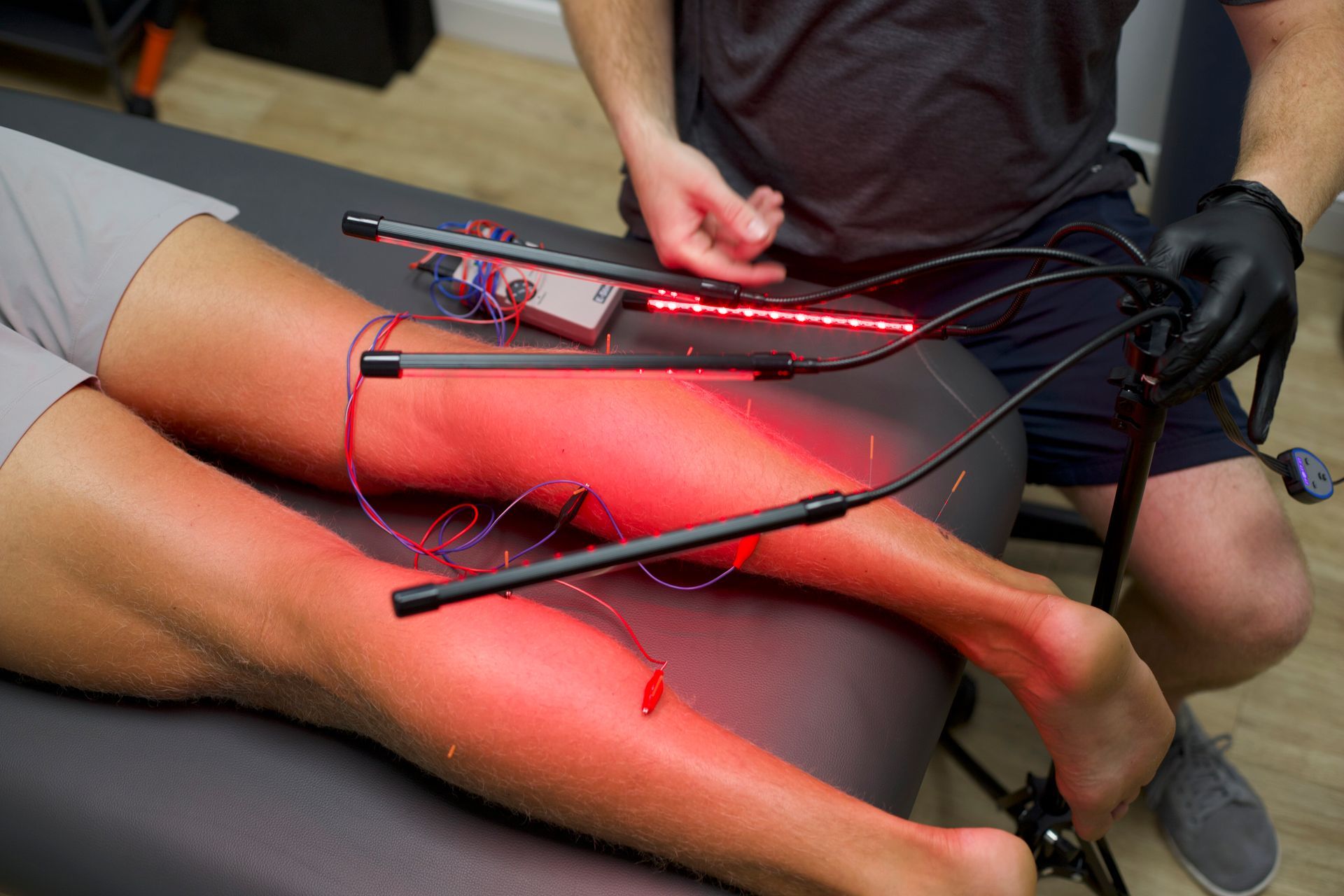
Compare dry needling and massage for muscle tightness and pain. Explore individualized care at Movement Driven in Jacksonville and St. Johns, FL.
Learn how to return to golf after injury with Dr. Greg’s tips on pain, mobility, strength, TPI assessments, and rebuilding your swing safely.
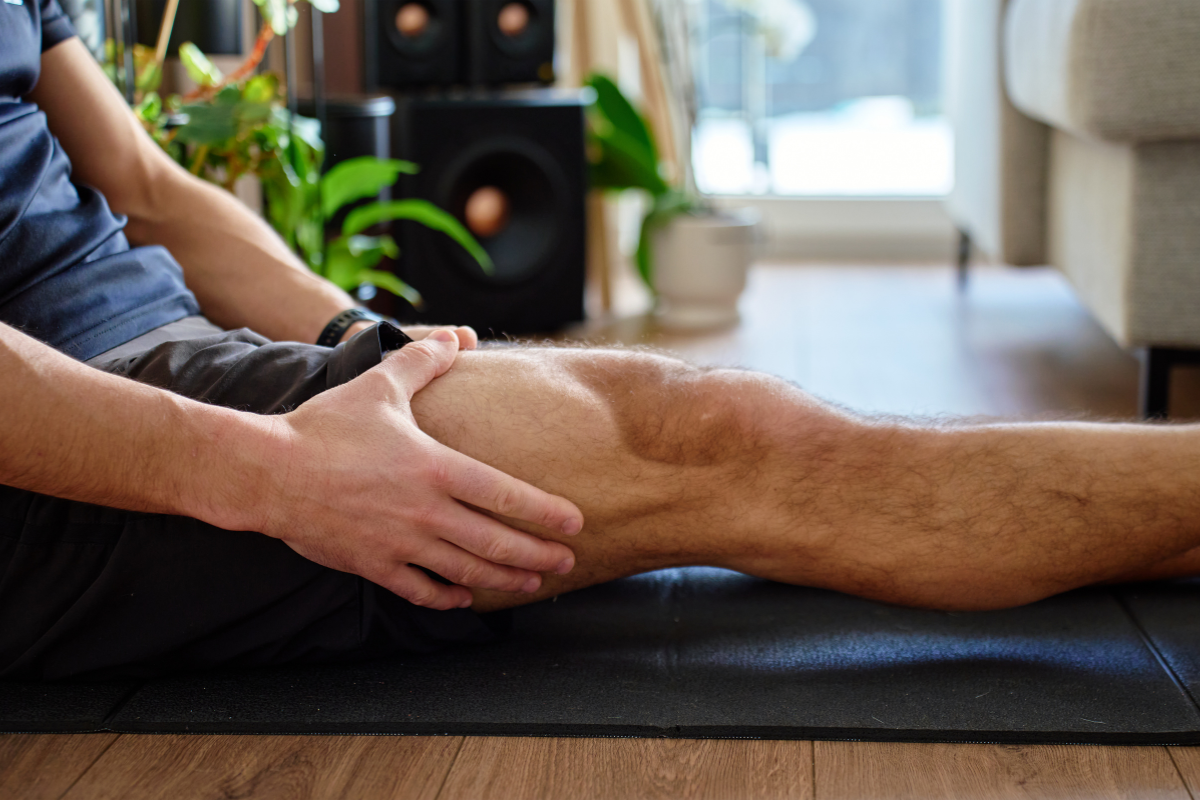
Not sure if it's normal soreness or something more? Movement Driven breaks down the signs that mean it's time to see a physical therapist.

Learn what the research actually says about safely increasing weekly mileage — and where the 10% rule falls short.

Movement Driven answers a common question from Jacksonville and St. Johns County parents. Here's what it actually checks for.
Learn the difference between tennis elbow and golfer’s elbow, common causes of elbow pain, and why treating the source matters with Dr. Greg Goldberger.

See the warm-up routine Movement Driven recommends to Jacksonville and St. Johns County golfers heading into fall golf season.
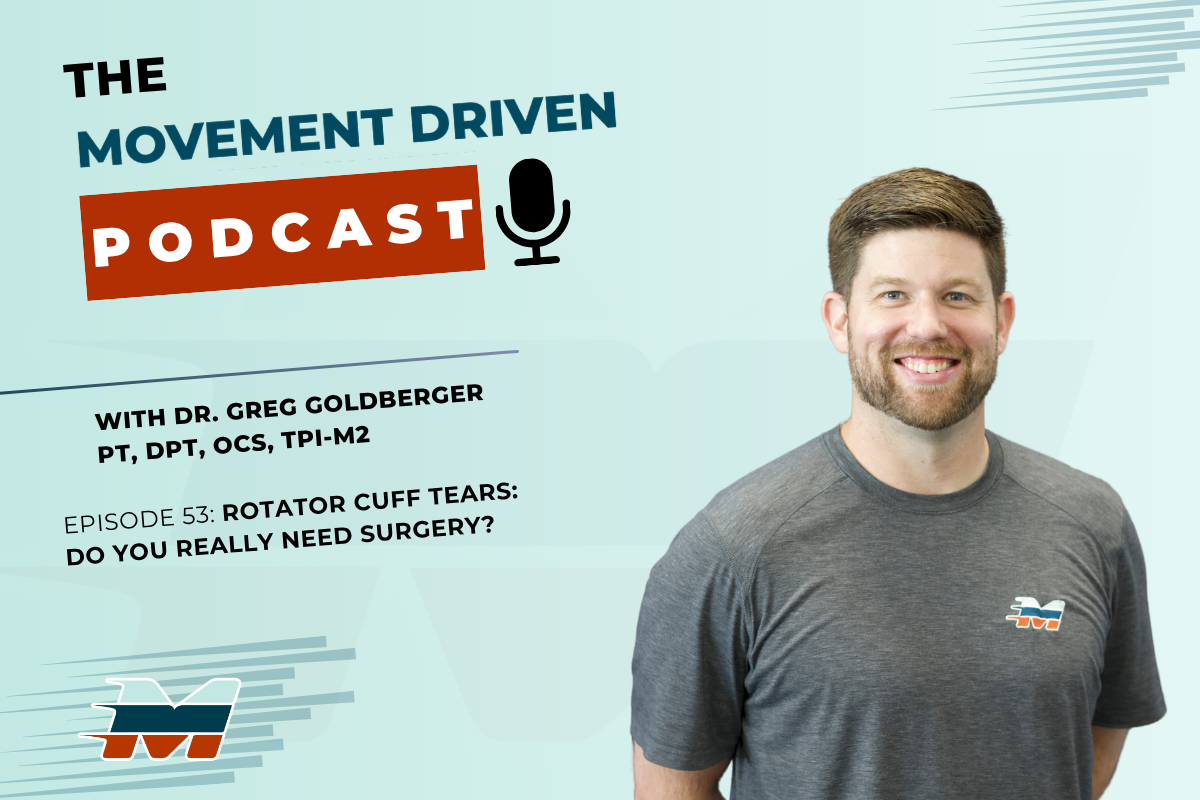
Does a rotator cuff tear mean surgery? Dr. Greg explains MRI findings, red flags, partial vs. full tears, and when physical therapy may help.

Two-a-days spike football injuries in Jacksonville and St. Johns County every fall. Learn what causes the surge and how youth and adult athletes can train through it safely.
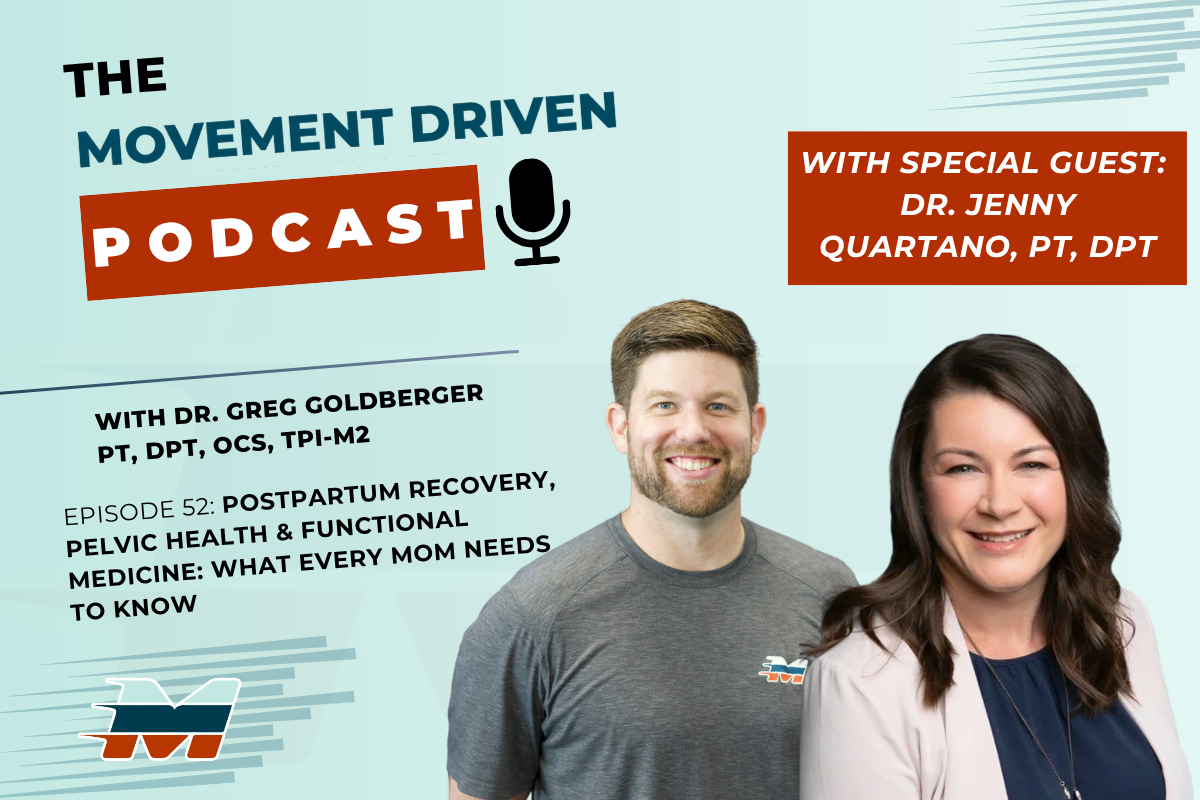
Dr. Greg talks postpartum recovery, pelvic health myths, and functional medicine with Dr. Jenny Quartano, PT, DPT of All Together Wellness.