The Truth About Back Pain: 8 Things Everyone Should Know
Greg Goldberger • October 7, 2025
Let’s clear up the confusion with a few evidence-based truths every person should know about back pain.

Back pain is one of the most common reasons people seek medical care — yet it’s also one of the most misunderstood. From outdated advice to over-reliance on scans, misinformation often keeps people stuck in cycles of pain and frustration.
Let’s clear up the confusion with a few evidence-based truths every person should know about back pain.
1. Rest Is Not Best
For years, people were told to “rest” when their back hurt — but research now tells us otherwise. Complete rest can actually delay recovery by weakening muscles, stiffening tissues, and reducing blood flow to healing areas.
Truth: Gentle, smart movement is usually better. A physical therapist can guide you through safe exercises to restore motion and strength without aggravating your pain.
2. You Don’t Always Need an MRI or X-ray
It’s natural to want answers, but imaging isn’t always the solution. In fact, many people with no back pain at all show “abnormalities” like bulging discs or arthritis on their scans.
Truth: A skilled physical exam often reveals more than an MRI — and rarely changes the initial treatment plan. Physical therapy focuses on how your body moves and functions, not just what shows up on a picture.
3. Pain Doesn’t Always Mean Damage
When your back hurts, it’s easy to assume something is “broken.” But pain is more like a fire alarm — it signals a problem, not necessarily damage.
Truth: The nervous system can become overly sensitive due to stress, inflammation, or past injury. Learning how to move confidently again can actually calm those pain signals.
4. Surgery Isn’t the First Line of Defense
Spine surgery can be lifesaving in rare cases — such as severe nerve compression, progressive weakness, or loss of bladder/bowel control — but it’s not the go-to for most back pain.
Truth: The majority of back pain improves with conservative care like physical therapy, exercise, and lifestyle changes. Your body is designed to heal — it just needs the right plan and guidance.
5. Deadlifting Isn’t “Bad” for Your Back
It’s not the deadlift that’s the problem — it’s the technique. When done properly, deadlifts strengthen the core, glutes, and spinal stabilizers, helping prevent future injury.
Truth: Good form and progressive loading are key. Physical therapy for back pain often includes teaching proper lifting mechanics so you can move with confidence in and out of the gym.
6. A Herniated Disc Isn’t a Life Sentence
Scary phrases like “slipped disc” or “blown out disc” sound permanent, but they’re misleading. Many people live pain-free with disc herniations.
Truth: Studies show that disc changes are incredibly common even in people without pain:
- 20s: ~30%
- 30s: ~40%
- 40s: ~50%
- 50s: ~60%
- 60+: ~70–80%
With guided movement and strengthening, most disc-related pain improves — often without surgery.
7. Your Back Doesn’t “Go Out of Place”
Ever heard someone say their back “went out”? It sounds dramatic, but the spine is actually one of the most stable structures in the body.
Truth: Adjustments or manipulations may provide temporary relief, but nothing is being “put back in.” Physical therapy focuses on building long-term stability and movement control so you don’t feel like your back is unpredictable.
8. Back Pain Isn’t Just a Normal Part of Aging
While back pain is common, it’s not inevitable. Age plays a smaller role than most people think.
Truth: Strength, mobility, posture, and lifestyle choices have a bigger impact on back health than birthdays do. Many people in their 60s, 70s, and beyond live active, pain-free lives with the right approach to movement and care.
What Physical Therapy Really Does for Back Pain
At Movement Driven Performance Physiotherapy, treatment goes far beyond passive care. We use personalized movement, manual therapy, and education to help you understand your pain and take control of your recovery.
You’ll learn how to move safely, build strength where it matters most, and restore confidence in your body — so pain doesn’t keep calling the shots.
Take the Next Step
Don’t let back pain limit your life. Schedule a one-on-one assessment today to discover how physical therapy for back pain can help you move better, feel stronger, and live pain-free.
Book Your Discovery Call TODAY!
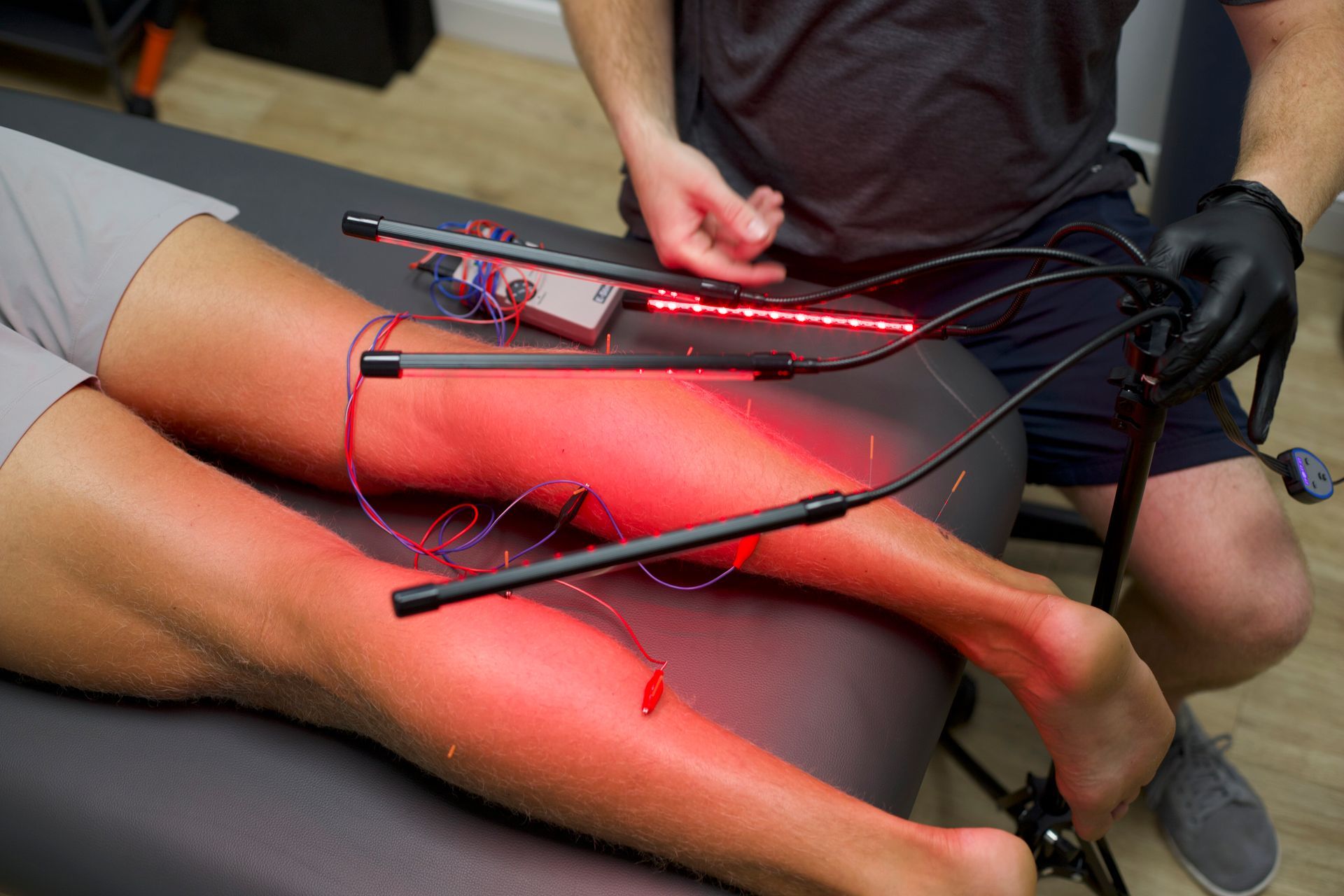
Compare dry needling and massage for muscle tightness and pain. Explore individualized care at Movement Driven in Jacksonville and St. Johns, FL.
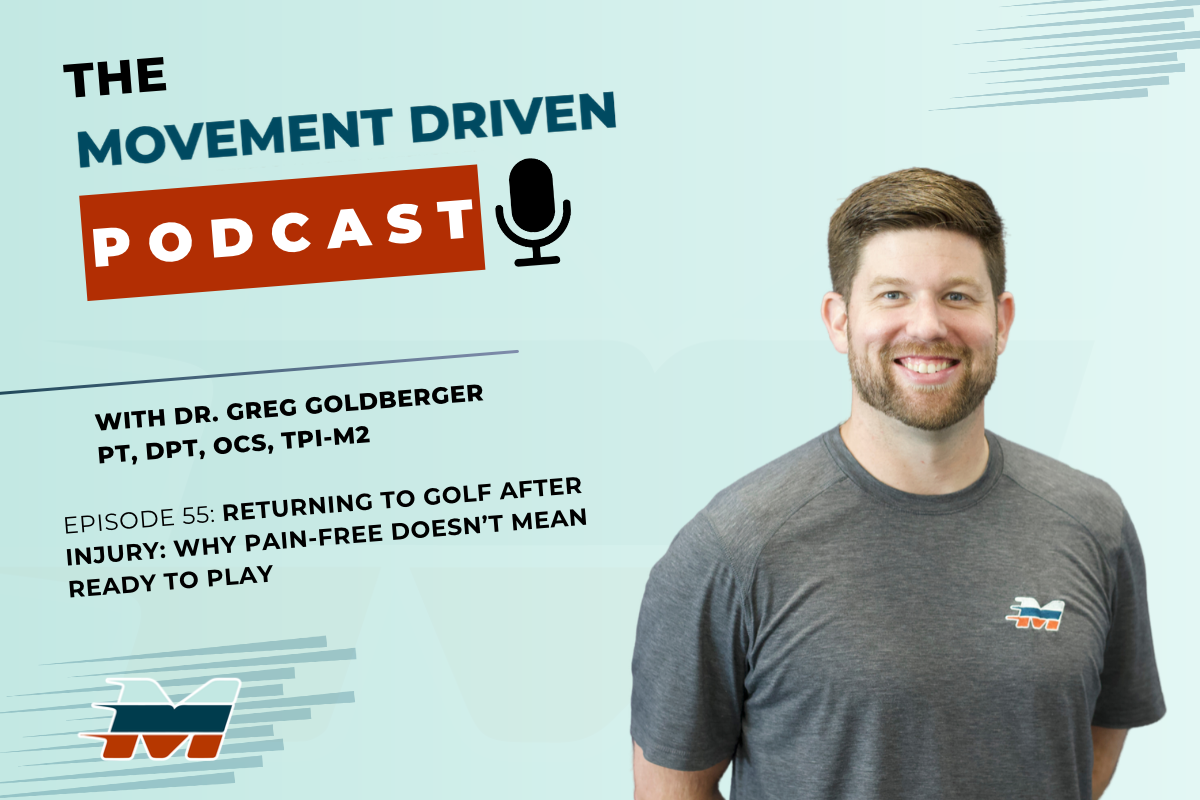
Learn how to return to golf after injury with Dr. Greg’s tips on pain, mobility, strength, TPI assessments, and rebuilding your swing safely.

Not sure if it's normal soreness or something more? Movement Driven breaks down the signs that mean it's time to see a physical therapist.

Learn what the research actually says about safely increasing weekly mileage — and where the 10% rule falls short.

Movement Driven answers a common question from Jacksonville and St. Johns County parents. Here's what it actually checks for.
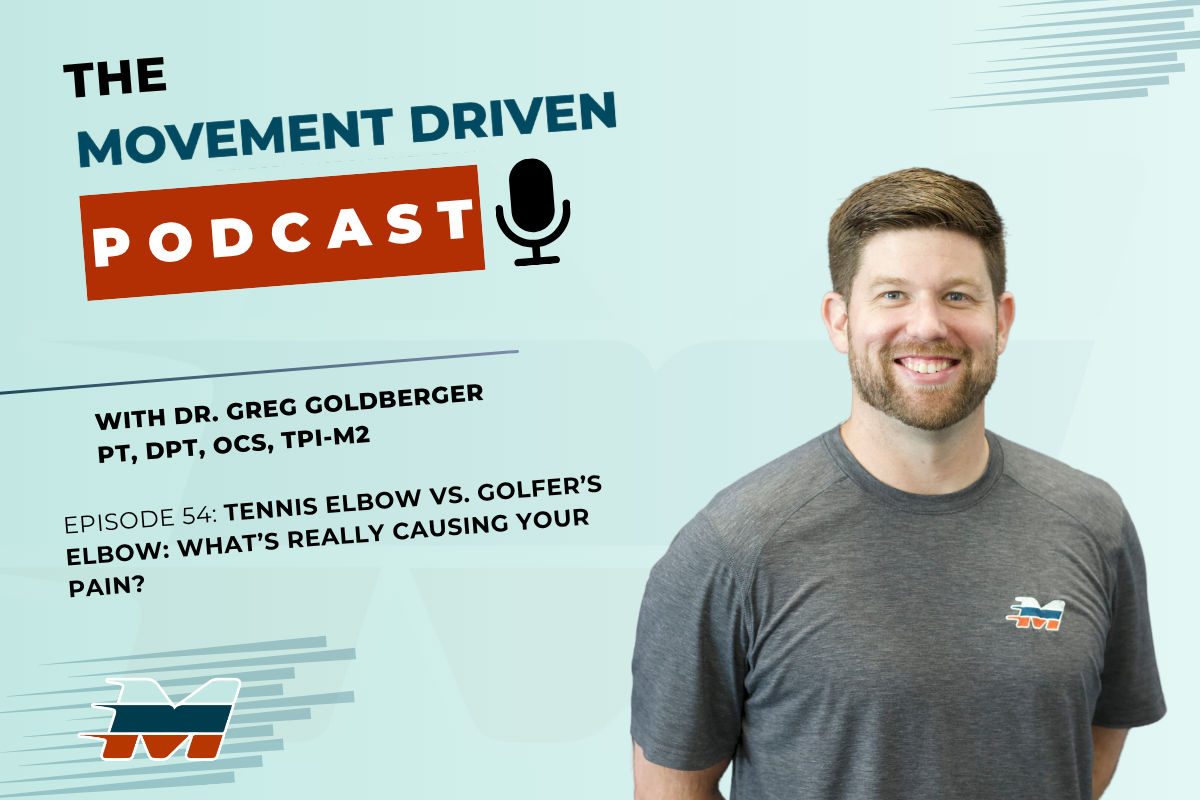
Learn the difference between tennis elbow and golfer’s elbow, common causes of elbow pain, and why treating the source matters with Dr. Greg Goldberger.

See the warm-up routine Movement Driven recommends to Jacksonville and St. Johns County golfers heading into fall golf season.
Does a rotator cuff tear mean surgery? Dr. Greg explains MRI findings, red flags, partial vs. full tears, and when physical therapy may help.

Two-a-days spike football injuries in Jacksonville and St. Johns County every fall. Learn what causes the surge and how youth and adult athletes can train through it safely.
Dr. Greg talks postpartum recovery, pelvic health myths, and functional medicine with Dr. Jenny Quartano, PT, DPT of All Together Wellness.